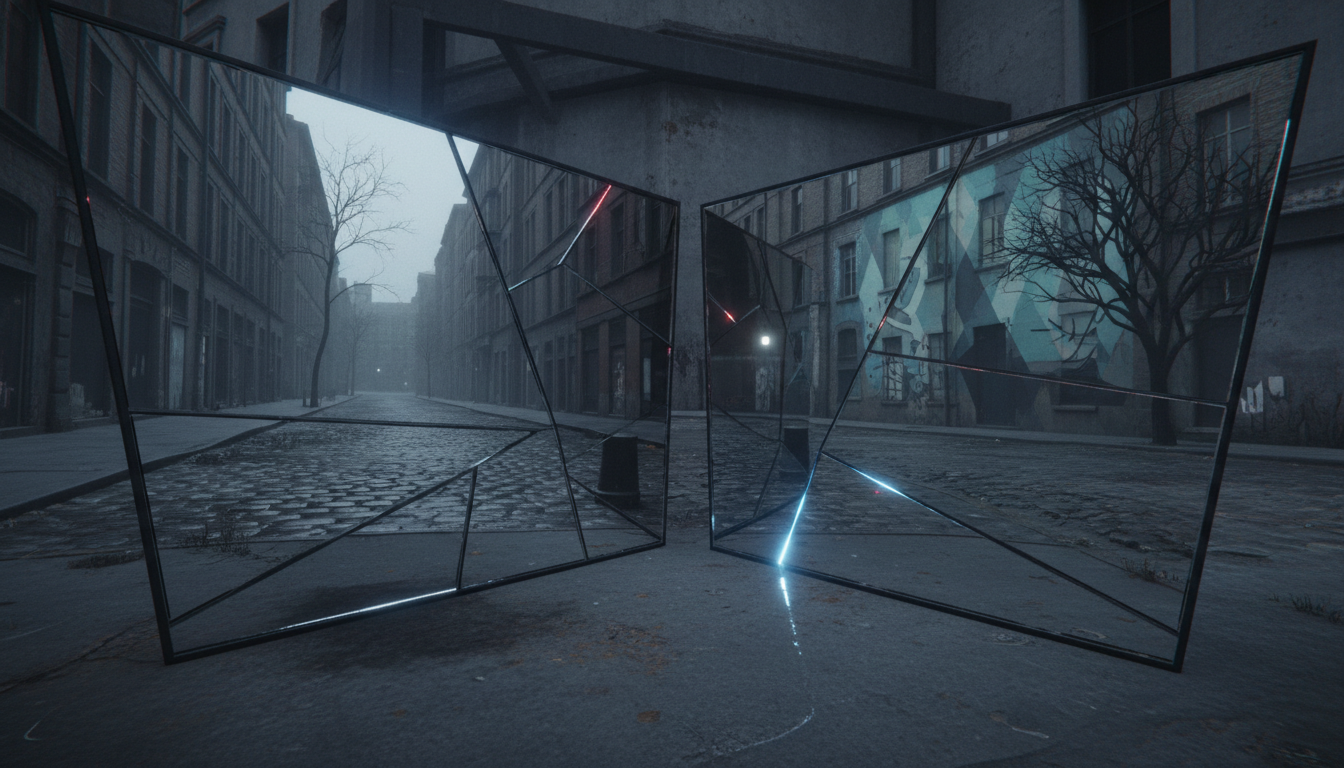
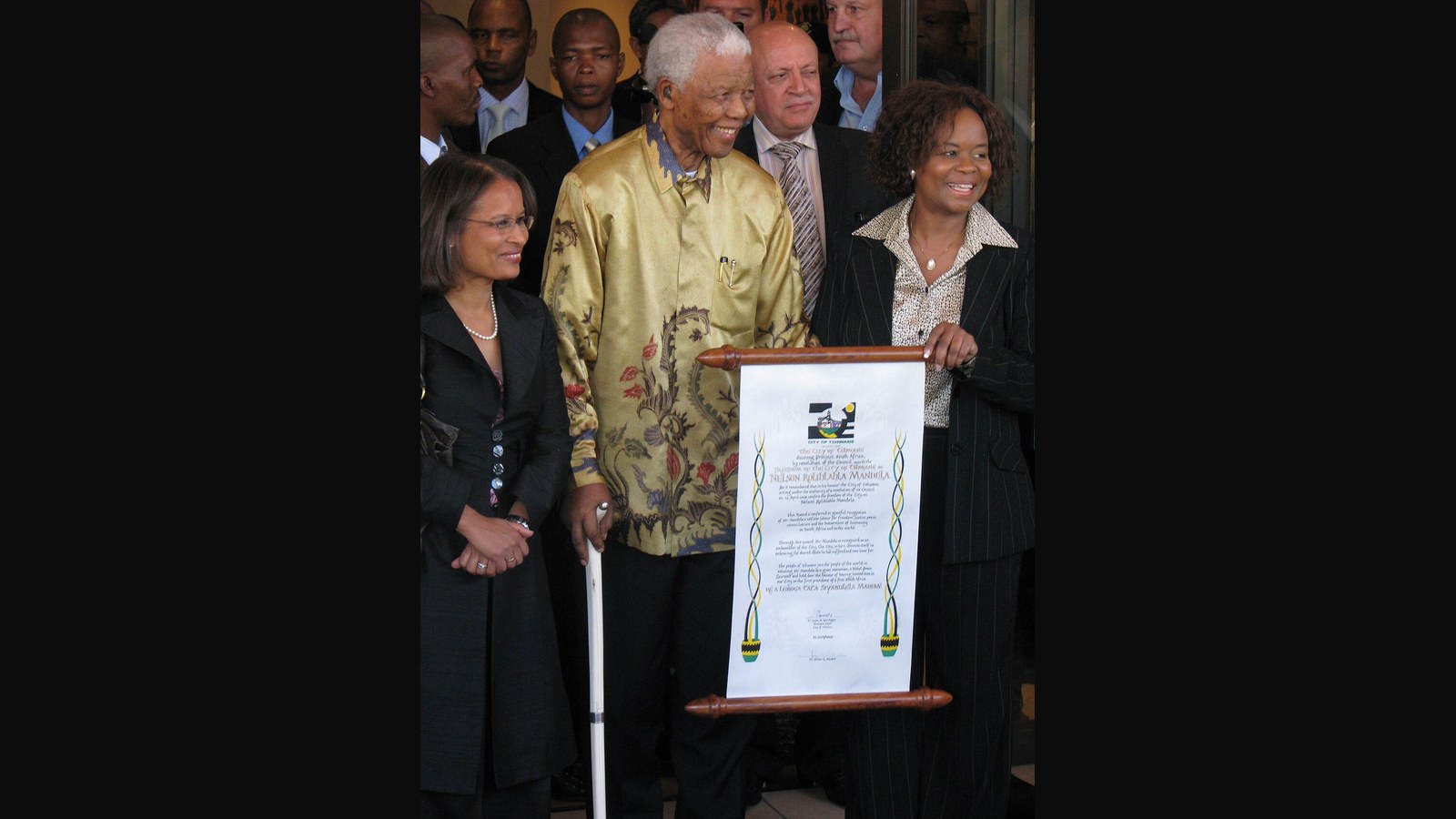
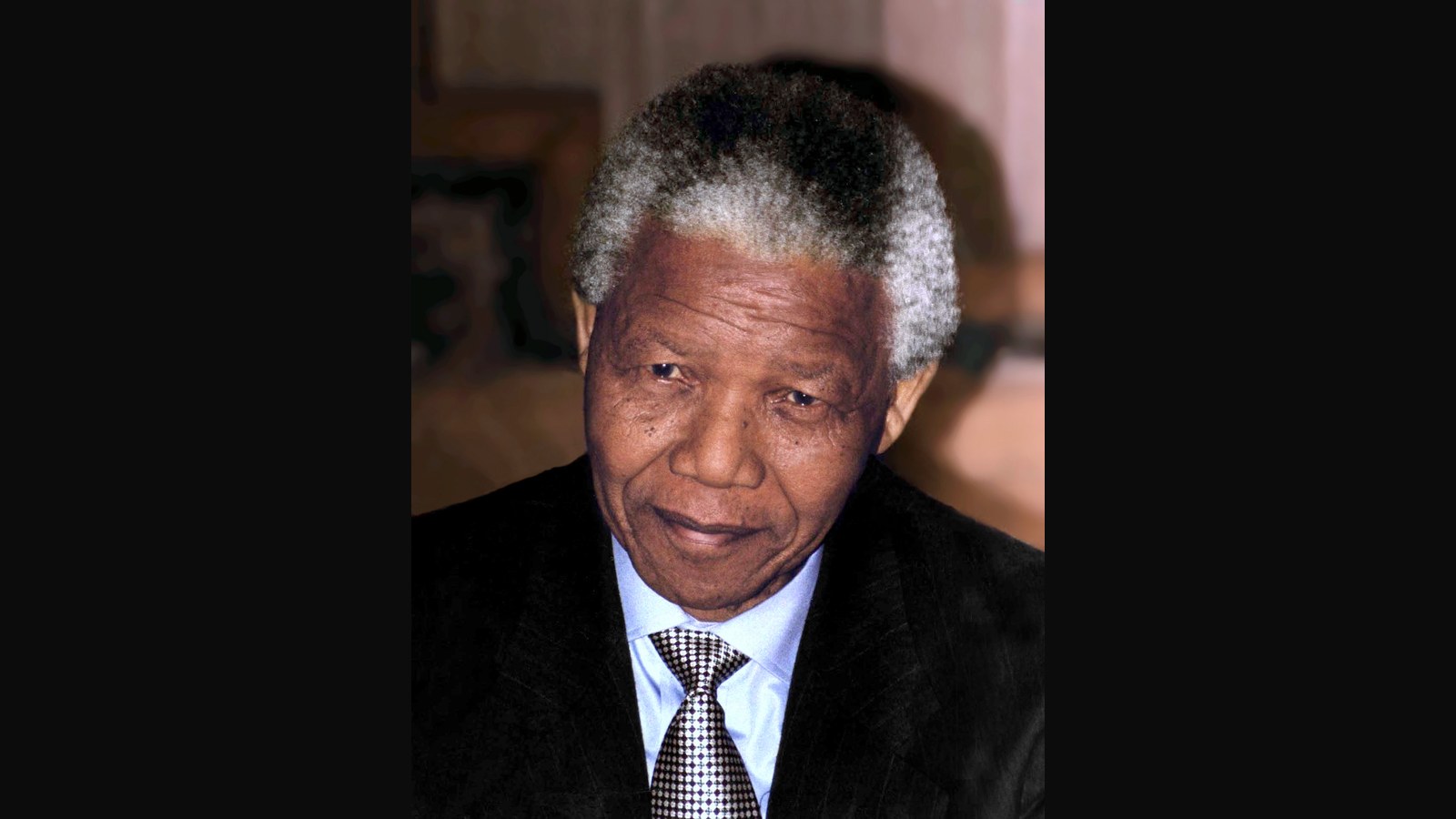
Fiona Broome says strangers' identical memories may reflect other realities; psychologists study them as false memories.
The term comes from a 2009 conversation and a website that Broome launched in 2010. On one side are Broome's own accounts of the origin and of what she and her readers think the memories mean; on the other are a University of Chicago study published in Psychological Science in 2022, the university's report on it, and an independent replication of 2024. A 2024 post by Broome answers the researchers, and her first post explains how the name began with memories of Mandela dying in prison.
The original post
Broome's first article, dated 9 September 2010 and later updated, says she believed Nelson Mandela died in prison and remembered "news clips of his funeral, the mourning in South Africa, some rioting in cities, and the heartfelt speech by his widow." She writes that in 2009, in the "green room" at Dragon*Con, a security staff member called "Shadowe" mentioned that many people "remember" Mandela's death in prison, and that she then found a large community sharing the memory. She puts "false" in quotation marks, writing that "the memories are real; the question is where they came from." She cites other shared memories, Billy Graham's death and a Star Trek episode said never to have been filmed, and describes them as "fully-constructed incidents" that other people seem to share. The site, she writes, explores "parallel realities, quantum science, real-life 'Sliders' experiences, and alternate history," and she dates Mandela's death "in this timestream" to 5 December 2013.
Fiona Broome, "Nelson Mandela Died in Prison?": https://mandelaeffectsite.wordpress.com/2010/09/09/nelson-mandela-died-in-prison/
Broome's account of the site
Broome's "About" statement says the effect "might be evidence that you may have experienced events from a different reality," while calling that "a wholly speculative (or perhaps sci-fi) interpretation." It says many strangers "remember the exact same events with the exact same details," that "this isn't a conspiracy, and we're not talking about 'false memories,'" and that many readers speculate they have been "sliding" between parallel realities, or are in holodecks with glitches. Its timeline places the first conversation in 2009 and the site's launch in 2010, has the Berenstein/Berenstain subject going viral in 2015, and records comments closed in 2016. Broome writes that she was "one of the people who coined the phrase," that she does not know whether she or Shadowe used it first, and that her husband may have come up with it.
Fiona Broome, About: https://mandelaeffectsite.wordpress.com/about-2/
The study as the university reported it
The University of Chicago reported that a paper by Wilma Bainbridge, an assistant professor of psychology, and Deepasri Prasad, a lab manager and research assistant in her Brain Bridge Lab, was the first scientific study of the internet phenomenon. It says they gathered 40 icons from online discussions and their own small alterations, and ran four experiments on how widespread the errors were, where people looked, how common the false versions are in Google Images, and whether people draw the errors from memory. Bainbridge said people report "a false memory for an image they've actually never seen," such as Pikachu with a black-tipped tail, and are confident while doing it. The report says the team ruled out schema theory as a universal explanation, citing the Fruit of the Loom logo, which many remember with a cornucopia rather than the more ordinary plate.
University of Chicago News: https://news.uchicago.edu/story/visual-mandela-effect-false-memories-psychology-neuroscience-pikachu-mr-monopoly-waldo
The paper, 2022
The abstract in Psychological Science describes the Mandela effect as "an Internet phenomenon describing shared and consistent false memories for specific icons in popular culture," with the Monopoly Man's monocle as an example. In Experiment 1, with 100 adults, certain images drew consistent, specific false memories. Experiment 2, with 60 adults and eye-tracking-like methods, found no attentional or visual differences behind the effect; Experiment 3 found no clear difference in how often people see the versions; and Experiment 4, with 50 adults, found the errors appear spontaneously in recall. The authors conclude that people make the same false-memory error for certain images "despite the majority of visual experience being the canonical image."
Prasad and Bainbridge, Psychological Science (2022): https://www.psychologicalscience.org/journals/psychological-science/09567976221108944/
The replication, 2024
Transparent Replications at Clearer Thinking repeated Study 1 with 389 participants. It reports that the seven images the paper identified, C-3PO, the Fruit of the Loom logo, Curious George, Mr. Monopoly, Pikachu, the Volkswagen logo and Waldo, all replicated, and an eighth, Tom from Tom and Jerry, also met the criteria. It found that the paper's chi-square test was run incorrectly; on the original data the corrected test kept six of the seven, with Waldo falling short of significance. It rated the study five stars for replicability.
Clearer Thinking, Report #8 (2024): https://replications.clearerthinking.org/replication-2022psci33-12/
Broome's reply
In a post of 26 September 2024, Broome wrote that a University of Chicago podcast labelled the effect a "false memory" from the start, and objected that calling speculation about quantum science a "conspiracy theory" goes "far beyond the pale." She quoted Bainbridge's point that the cornucopia memory is unlikely to come from people's own experience with fruit, and read it as a possible admission that in some cases "there are no logical explanations for the Mandela Effect."
Fiona Broome, "What Do We Really Remember?": https://mandelaeffectsite.wordpress.com/2024/09/26/mandela-effect-what-do-we-remember-anyway/
Where the dispute stands
Broome and her readers hold that identical, detailed memories shared by strangers may point to other realities, while saying the idea is speculative. The researchers measured shared errors for specific images and call them false memories, and a replication largely confirmed the pattern. The Chicago team said it has not yet pinpointed a single reason why the errors happen, only ruled out some, and Broome reads that open question as room for her own.