
A film about a virus
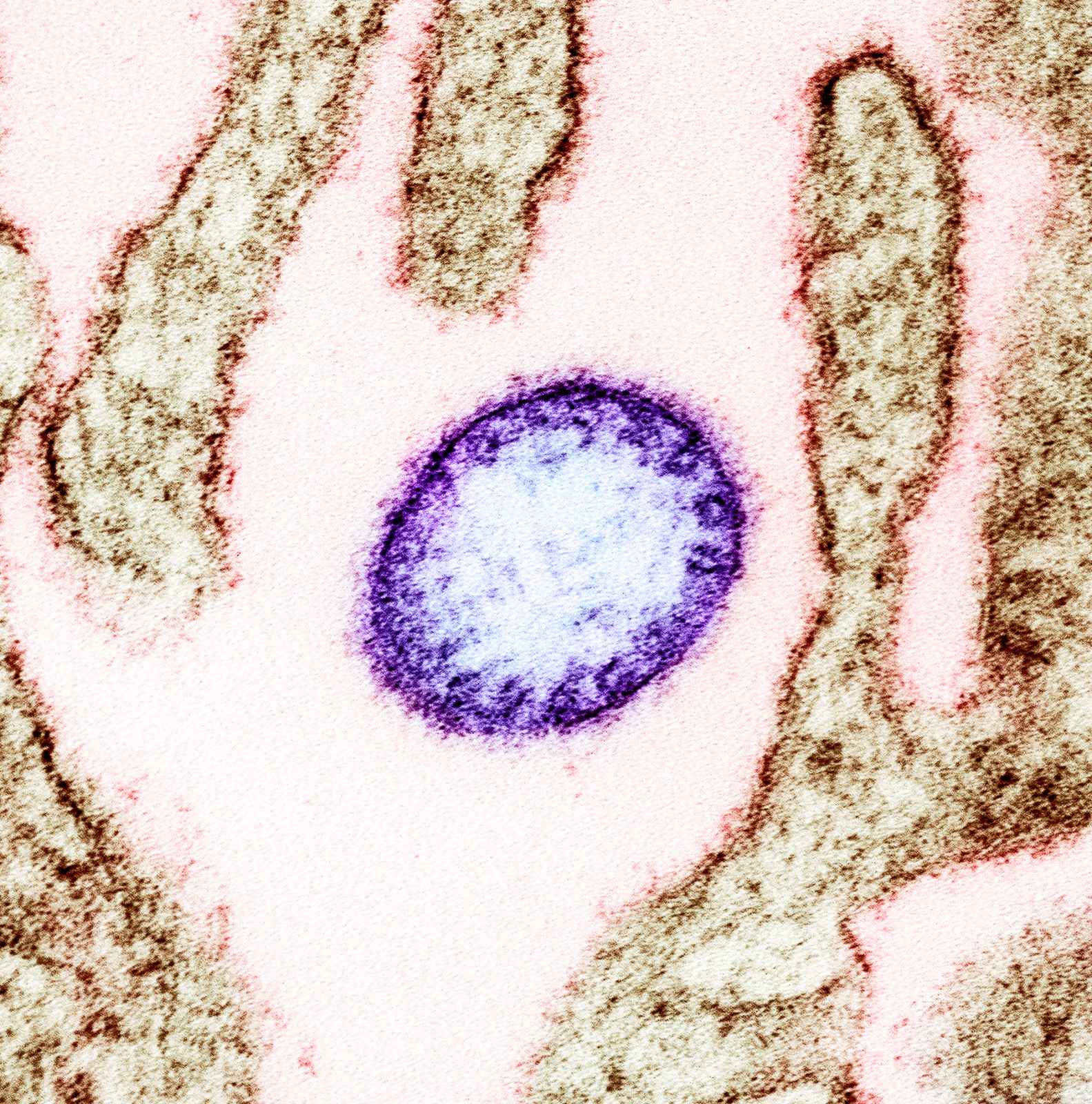
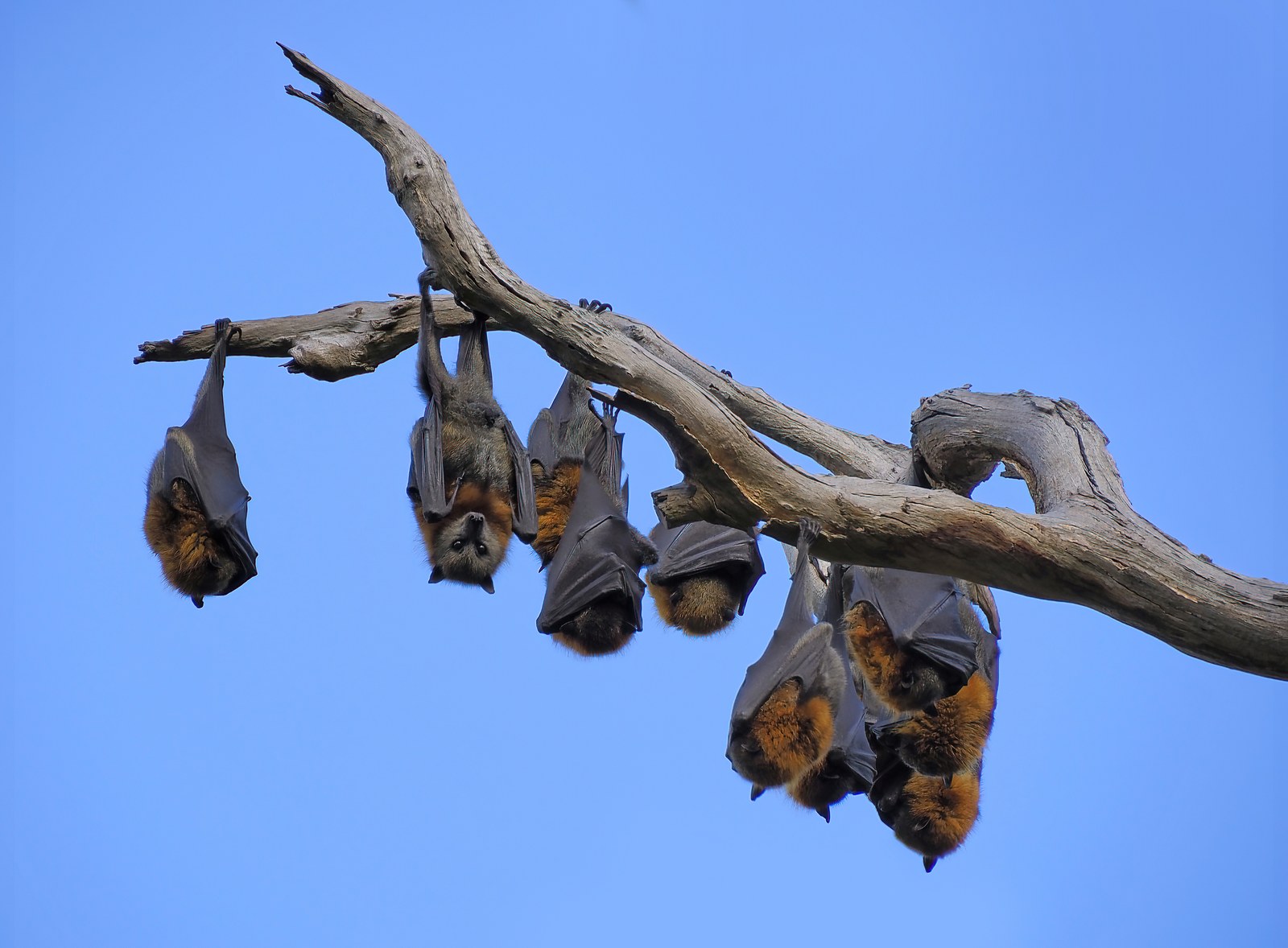
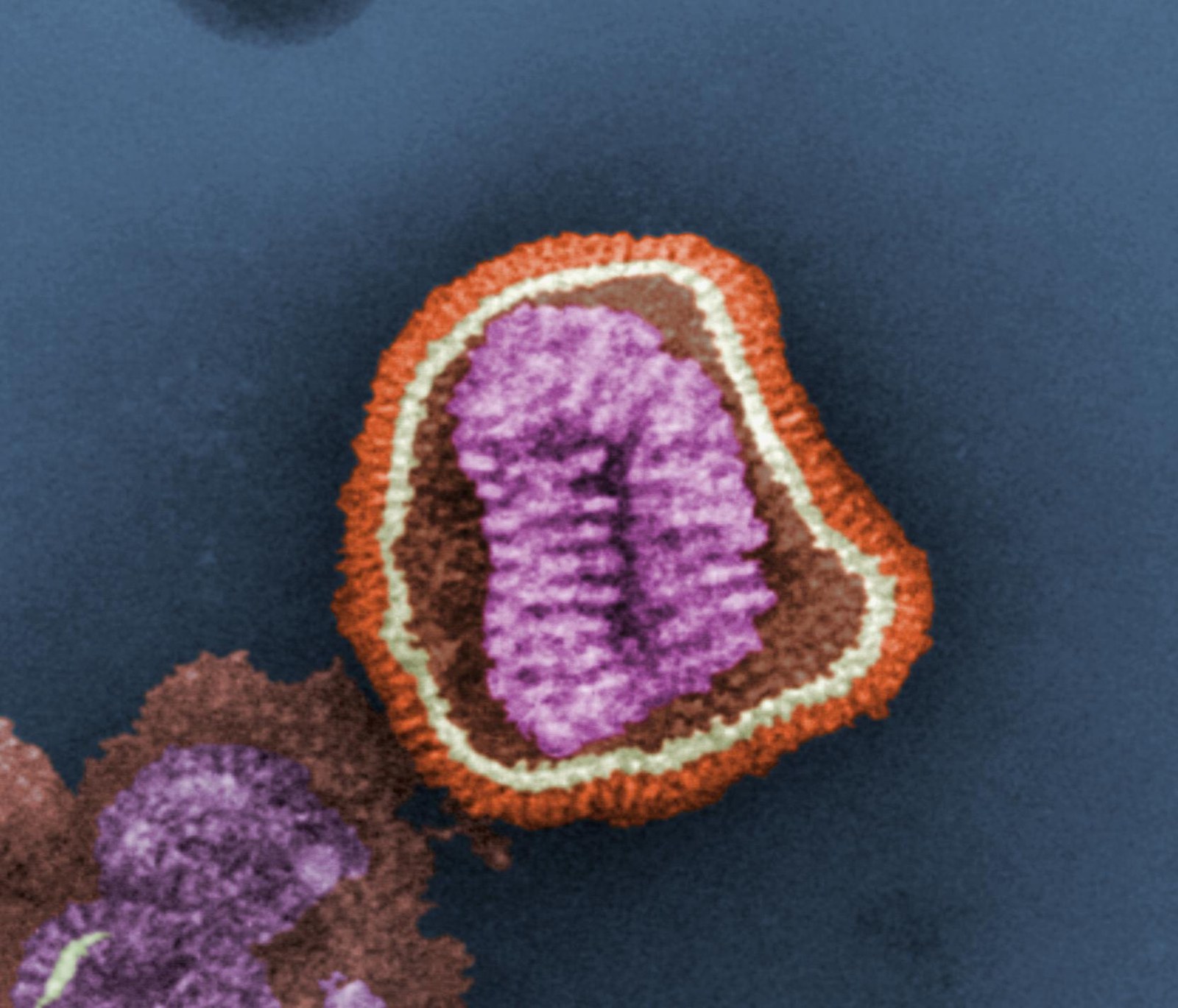
Steven Soderbergh's Contagion opened in September 2011 with Matt Damon, Gwyneth Paltrow, Kate Winslet, Laurence Fishburne, Jude Law and Marion Cotillard in the cast. Two weeks after release, PBS NewsHour asked experts at the Centers for Disease Control and Prevention to walk through its scenarios. The disease in the film, they noted, is "modeled off a combination of influenza and a virus called Nipah." It reaches people through a chain of animal encounters: "a bat eats some fruit then drops it in a pig pen, the pig eats it, then is butchered and handled by a chef who comes in contact with" Paltrow's character. From there the virus reaches new places around the globe within days. Investigators trace contacts, and scientists produce a vaccine within about four months.
Source: PBS NewsHour, 23 September 2011: https://www.pbs.org/newshour/health/cdc-experts-examine-the-science-of-hollywoods-contagion
The adherents' reading
When COVID-19 spread in 2020, the film climbed the streaming charts again, and a darker reading followed it. Writing in Film Daily in December 2020, Julio Olivera described how, on some Reddit boards and on 8kun, Contagion is held up as "the perfect example of 'predictive programming.'" In that reading, he wrote, the film "was a government tool designed to get us used to the idea of global quarantines, mandatory vaccination, and so on." A further strand holds that it was "made to condition the public for what was predestined to come."
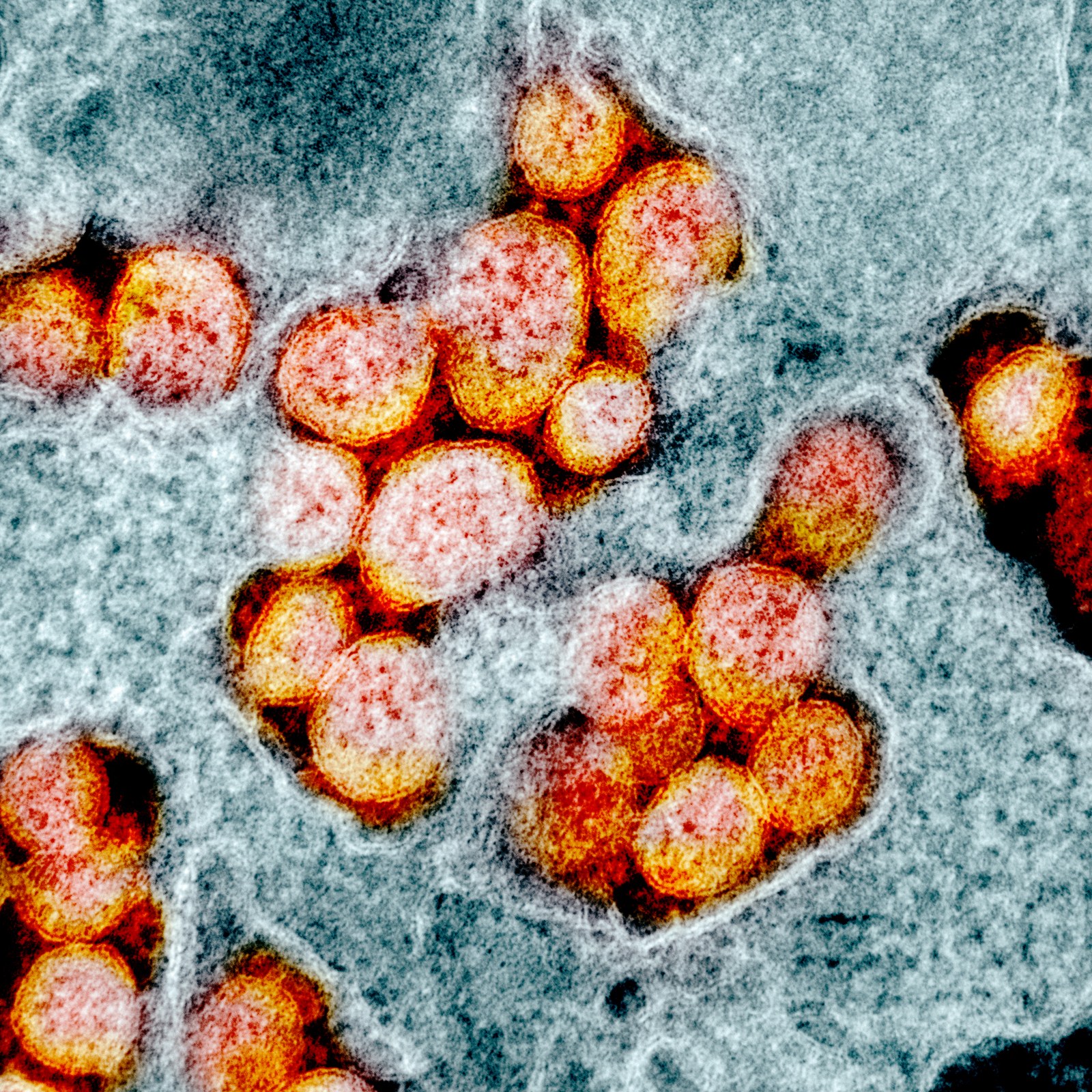
Adherents point to the parallels the same article lists: a virus spread by respiratory droplets, "the need for social distancing, the emphasis on hand washing," arguments over where the virus came from, and a world that waits for a vaccine. In their account a story that already showed quarantines and mass vaccination as drama made the real measures feel familiar when they arrived.
Source: Film Daily, 29 December 2020: https://filmdaily.co/obsessions/contagion-movie/
Event 201
Adherents set a second exhibit beside the film, and this one is not fiction. On 18 October 2019 the Johns Hopkins Center for Health Security hosted Event 201, a pandemic tabletop exercise held with the World Economic Forum and the Bill & Melinda Gates Foundation. In a statement dated 24 January 2020, the Center wrote: "To be clear, the Center for Health Security and partners did not make a prediction during our tabletop exercise." It said the scenario "modeled a fictional coronavirus pandemic" and that the inputs used to model that fictional virus "are not similar to nCoV-2019." Adherents read a film in 2011 and an exercise in 2019 as two stages of the same rehearsal.
Source: Johns Hopkins Center for Health Security, 24 January 2020: https://centerforhealthsecurity.org/2020/statement-about-ncov-and-our-pandemic-exercise
How the film was made
The makers describe a different origin. In August 2011, before the film opened, Columbia University's Mailman School of Public Health reported that Soderbergh and Burns sought out the virologist W. Ian Lipkin, who signed on as technical adviser in March 2009 and played an active role throughout production. Lipkin suggested that the plot be triggered by an outbreak of a virus similar to Nipah, which has on occasion passed from animals to people. The school added that some scenes reflect his memories of Beijing in 2003, when he helped the World Health Organization and the Chinese Health Ministry manage the SARS outbreak and was quarantined on his return.
Source: Columbia University Mailman School of Public Health, 27 August 2011: https://www.publichealth.columbia.edu/news/prof-ian-lipkin-brings-science-hollywoods-contagion
Burns told Variety in March 2020 that the idea grew out of talks with his father "about bird flu, and the moment in which a virus jumps into the human population." He wanted a pandemic film "based really firmly on science," spent "two or three years deeply involved in the science," and met the epidemiologist Larry Brilliant, who introduced him to Lipkin. Lipkin agreed to help "as long as we made it scientifically substantive." Asked about the parallels with COVID-19, Burns said the film was the scientists' "best guess at what would happen with a pandemic" and added, "I wasn't surprised that scientists were right."
Source: Ramin Setoodeh, Variety, 12 March 2020: https://variety.com/2020/film/features/contagion-coronavirus-scott-z-burns-trump-1203532260/
The CDC experts who spoke to PBS made the same point about the film's speed. A virus reaching new places within days, they said, is "plausible and has already occurred twice," with SARS in Asia in 2003 and the 2009 H1N1 pandemic.
Source: PBS NewsHour (above)
The researchers' view
Researchers who study the belief look at the audience rather than the film. Writing for Interesting Engineering in January 2022, Rupendra Brahambhatt opened with Contagion as a case and noted that "psychologists and researchers consider incidents of predictive programming as either coincidences or likely scenarios based on real research." He described hindsight bias, "this tendency to view events as more predictable than they really are," and framing bias, in which a belief forms because of "the specific way information is presented" rather than the facts.
Source: Interesting Engineering, 3 January 2022: https://interestingengineering.com/culture/predictive-programming-how-books-and-tv-predict-the-future
The adherents' answer
Adherents reply that good research explains a plausible plot but not the list of matches: a bat at the start of the chain, distancing and hand washing, a vaccine race, and quarantines shown nine years before the public lived through them. For them, the film did what the theory says such stories do. It made global quarantines and mass vaccination familiar as drama first, and in their reading Event 201 rehearsed the same idea again three months before the first questions about a real coronavirus reached its hosts.