Genesis 3 tells of a crafty serpent who is never named Satan. Revelation 12:9 calls a great dragon "that ancient serpent, who is called the devil and Satan." Reading that dragon as Eden's serpent is the later interpretation. Adherents read one memory across these texts, the Book of Enoch, and older Mesopotamian poems. This page sets out the verses, the later identification, and both readings, in the sources that state them. The texts are presented as texts and traditions; the page makes no claim about faith either way.
Genesis 3 as written
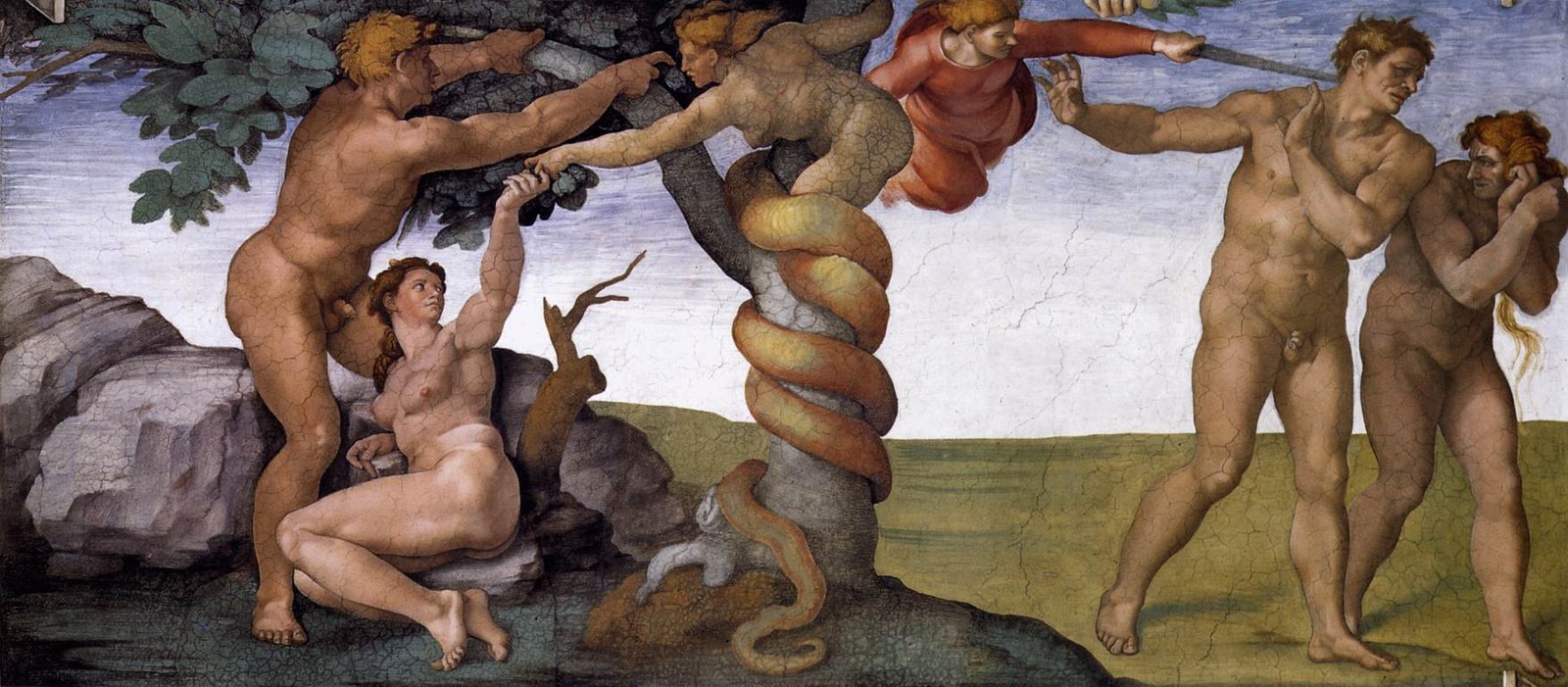
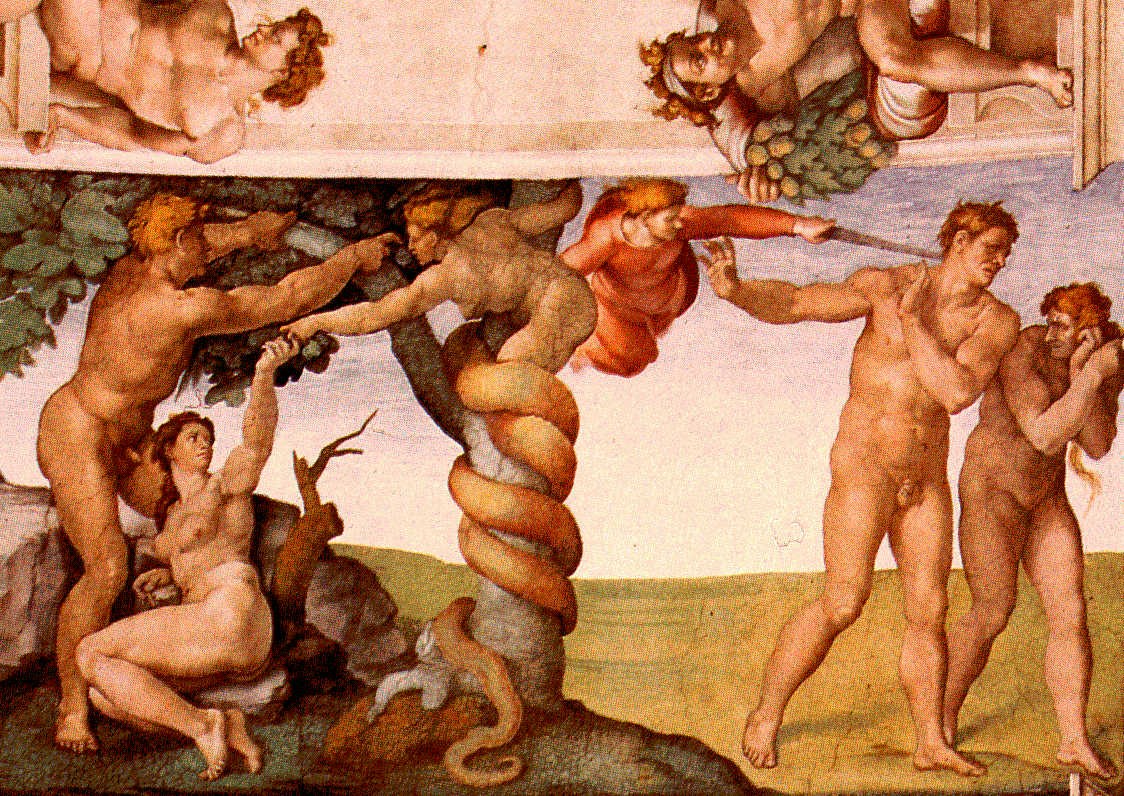
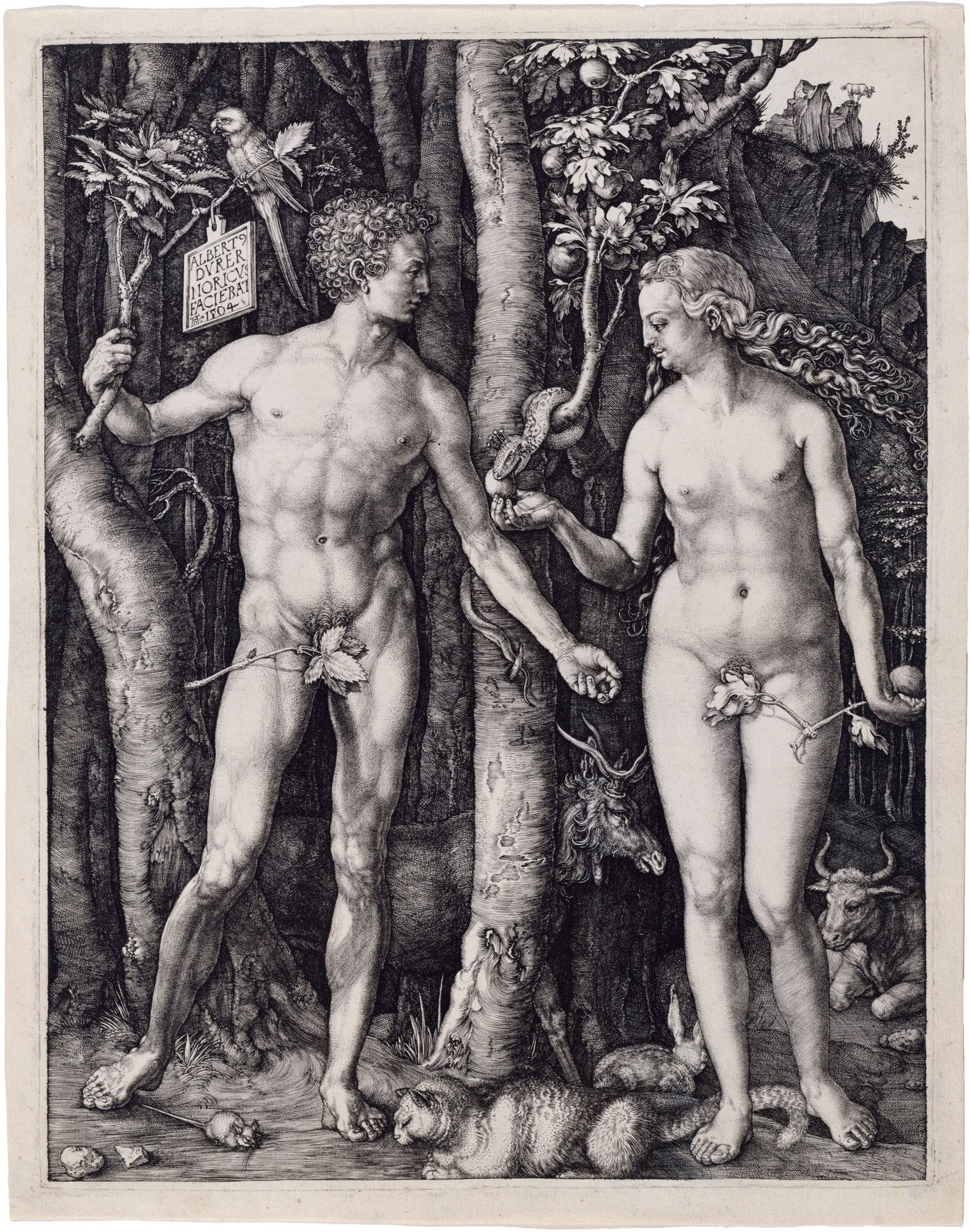
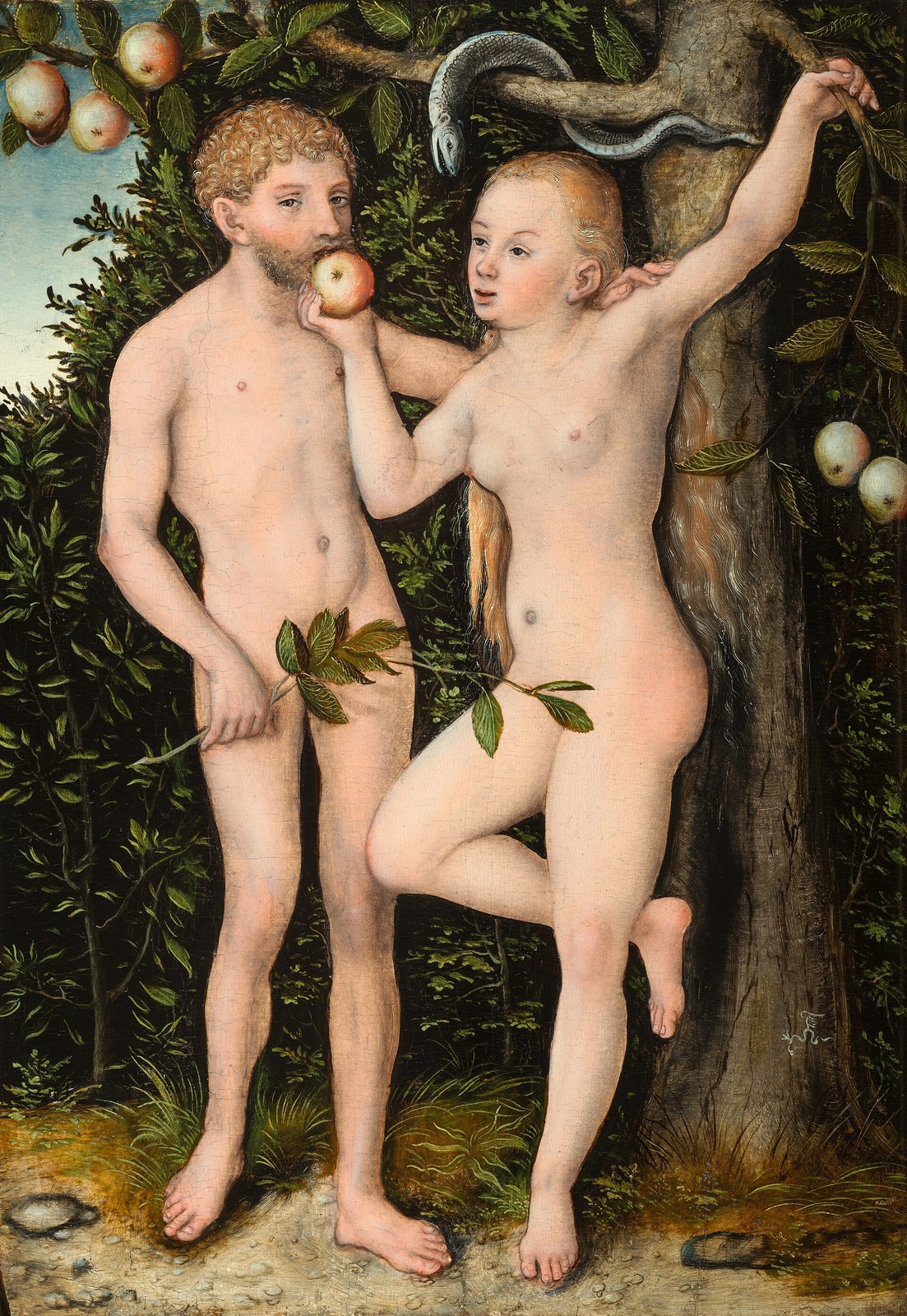
"Now the serpent was more crafty than any other wild animal that the Lord God had made." It tells the woman she will not die, "for God knows that when you eat of it your eyes will be opened, and you will be like God, knowing good and evil." The serpent is cursed to go on its belly, enmity is set between its offspring and the woman's, and the humans are sent out of Eden, with "the cherubim and a sword flaming and turning to guard the way to the tree of life." Genesis calls it only "the serpent."
Source: Genesis 3, New Revised Standard Version Updated Edition, Bible Gateway: https://www.biblegateway.com/passage/?search=Genesis%203&version=NRSVUE
The Watchers
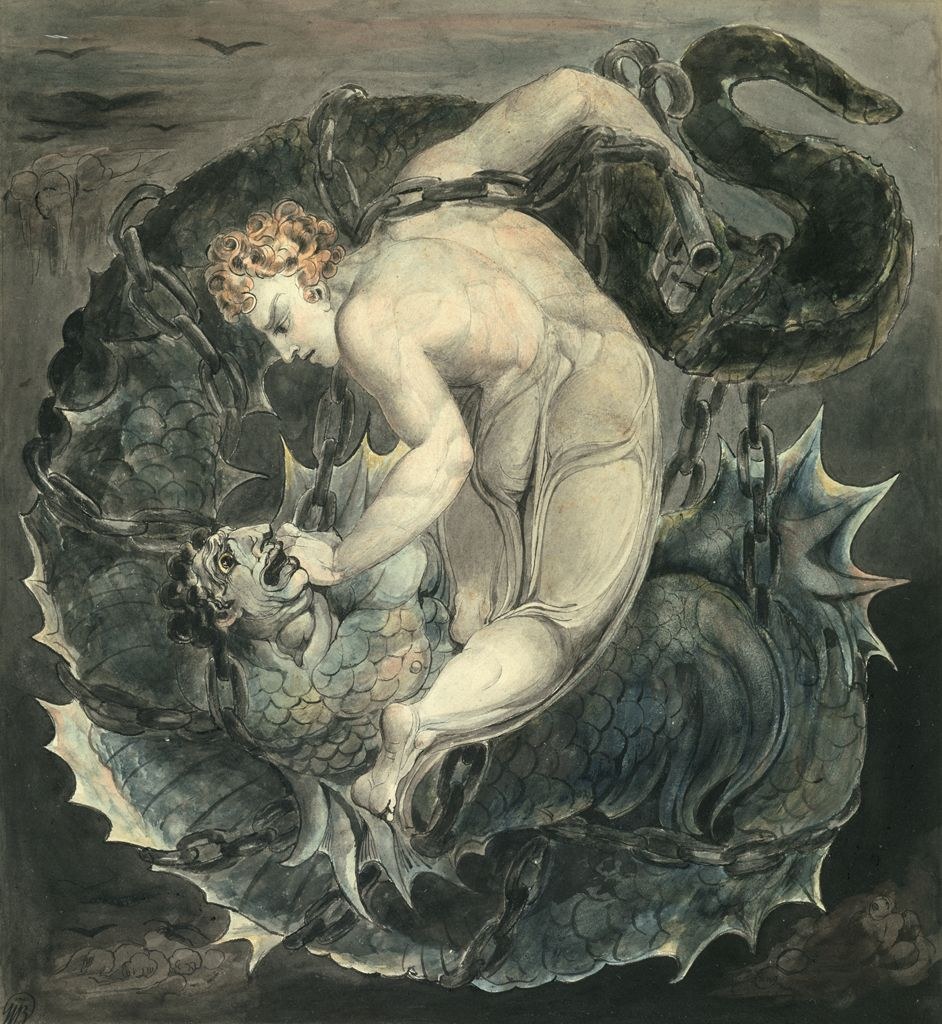
In R. H. Charles's translation of 1 Enoch, two hundred angels, led by Semjaza, descend "in the days of Jared on the summit of Mount Hermon." They teach charms, enchantments and the cutting of roots; Azazel teaches the making of swords, knives, shields and breastplates and the metals of the earth; others teach astrology and the signs of the sun and moon. Raphael binds Azazel and casts him into darkness at Dudael; Michael binds Semjaza and his associates "for seventy generations in the valleys of the earth." In chapter 69, which belongs to the later Parables (chapters 37 to 71), Gadreel "led astray Eve" and showed humans "the weapons of death." A University of Iowa FAQ dates the Book of the Watchers (1 Enoch 1 to 36) to the mid-third century BCE.
Sources: 1 Enoch, R. H. Charles, The Apocrypha and Pseudepigrapha of the Old Testament (Oxford: Clarendon Press), Christian Classics Ethereal Library: https://www.ccel.org/c/charles/otpseudepig/enoch/ENOCH_1.HTM ; chapter 69: https://www.ccel.org/c/charles/otpseudepig/enoch/ENOCH_2.HTM ; "FAQ: Is the Snake in the Garden of Eden Satan?", Bible and Archaeology, University of Iowa: https://bam.sites.uiowa.edu/faq/snake-garden-eden-satan
Wisdom of Solomon 2:24
The New Revised Standard Version Updated Edition of Wisdom of Solomon 2:24 reads, "through an adversary's envy death entered the world," with the footnote "Or a devil's." Shawna Dolansky calls this possibly the earliest reference to Eden's serpent as the devil, while noting it does not clearly make the identification.
Sources: Wisdom of Solomon 2, NRSVUE, Bible Gateway: https://www.biblegateway.com/passage/?search=Wisdom%202&version=NRSVUE ; Shawna Dolansky, "How the Serpent in the Garden Became Satan," Bible History Daily, Biblical Archaeology Society: https://www.biblicalarchaeology.org/daily/biblical-topics/bible-interpretation/how-the-serpent-in-the-garden-became-satan/
Revelation 12:9
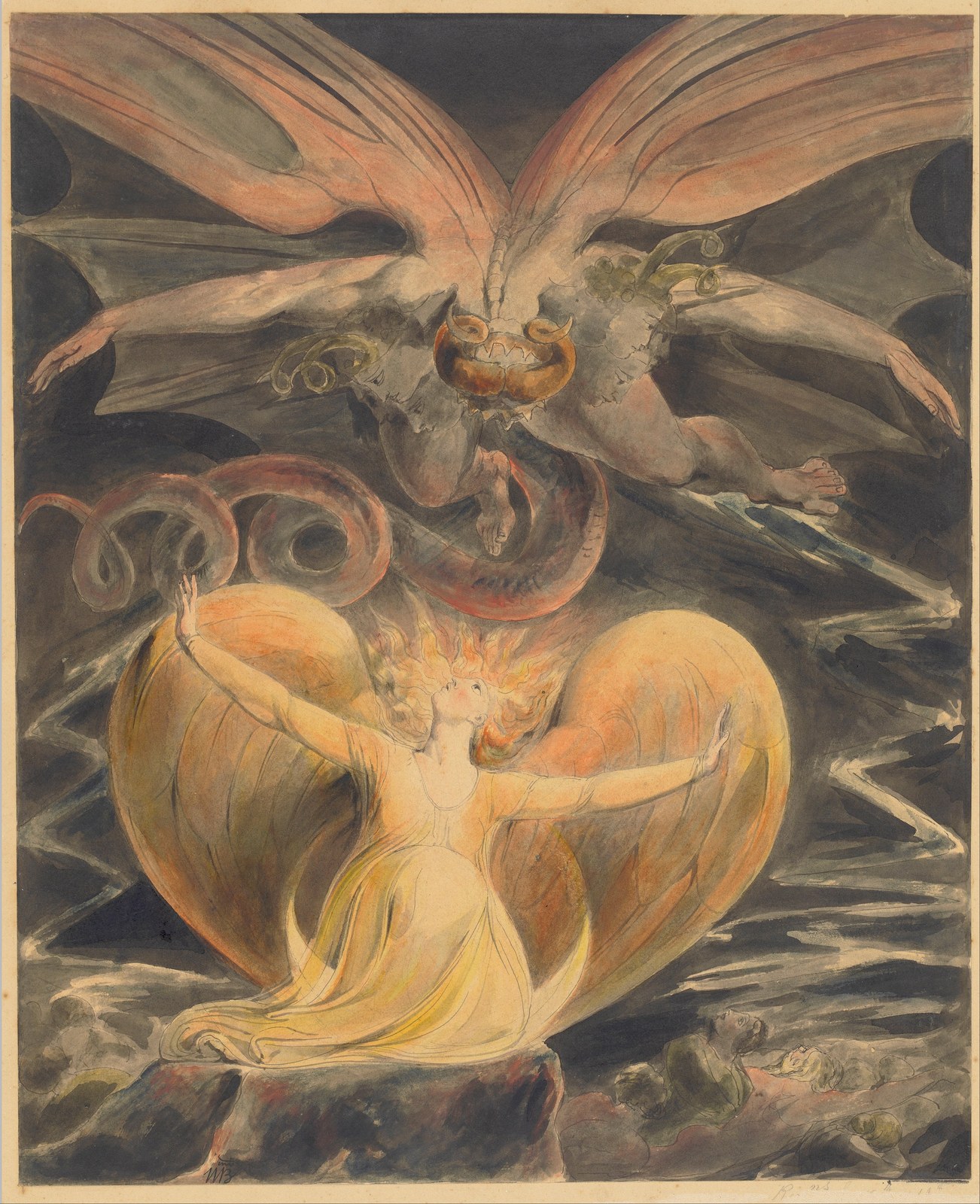
"The great dragon was thrown down, that ancient serpent, who is called the devil and Satan, the deceiver of the whole world; he was thrown down to the earth, and his angels were thrown down with him." The NRSVUE cross-references the verse to Genesis 3:1 and 3:4. The University of Iowa FAQ dates Revelation to about 90 CE. Revelation 12:9 calls the dragon "that ancient serpent"; reading that dragon as Eden's serpent is the later interpretation.
Sources: Revelation 12, NRSVUE, Bible Gateway: https://www.biblegateway.com/passage/?search=Revelation%2012&version=NRSVUE ; University of Iowa, as above.
How the identification developed
The University of Iowa FAQ says Satan's role grows from an accuser in Job and Zechariah to God's adversary after the Exile; "in Genesis 3, the serpent is never referred to as 'Satan'"; apocalyptic influence in early Christian communities drove the identification. Dolansky writes: "there is no clear link anywhere in the Bible between Satan and the serpent in the garden." She says later Christian authors, among them Justin Martyr, Tertullian, Cyprian, Irenaeus and Augustine, assumed it, and that Milton elaborated it in Paradise Lost.
Sources: University of Iowa FAQ, as above; Dolansky, "How the Serpent in the Garden Became Satan," as above.
The adherents' reading
Adherents hold that the serpent of Eden, the dragon cast down, the Watchers who descend with forbidden knowledge and are bound under the earth, and the Mesopotamian gods of heaven and the underworld are one shared memory. Two scholarly notes sit beside that reading and must stay attributed: Dolansky says the Near Eastern combat myth, Marduk and Tiamat in Enuma Elish, typically cast the enemy as a serpent, and the University of Iowa FAQ says Daniel 7 draws on combat myths such as Marduk against Tiamat.
What stays contested
Genesis never names the serpent Satan. Revelation 12:9 calls the great dragon that ancient serpent, who is called the devil and Satan. Dolansky writes that there is no clear link anywhere in the Bible between Satan and the serpent in the garden, and that later Christian writers assumed it. Adherents say these texts keep one shared memory. Whether it is one story told several ways remains the open question.