
The pilot
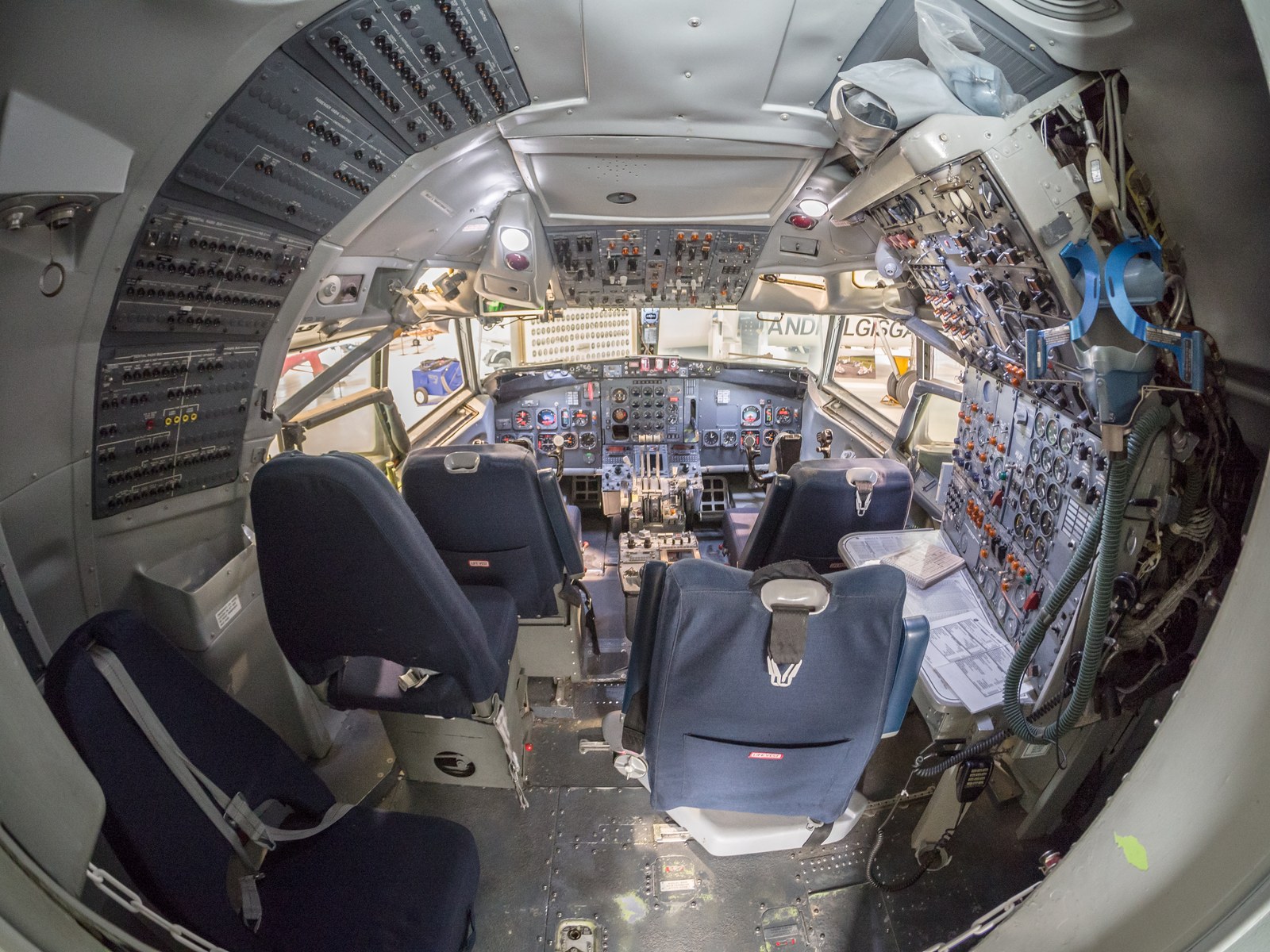
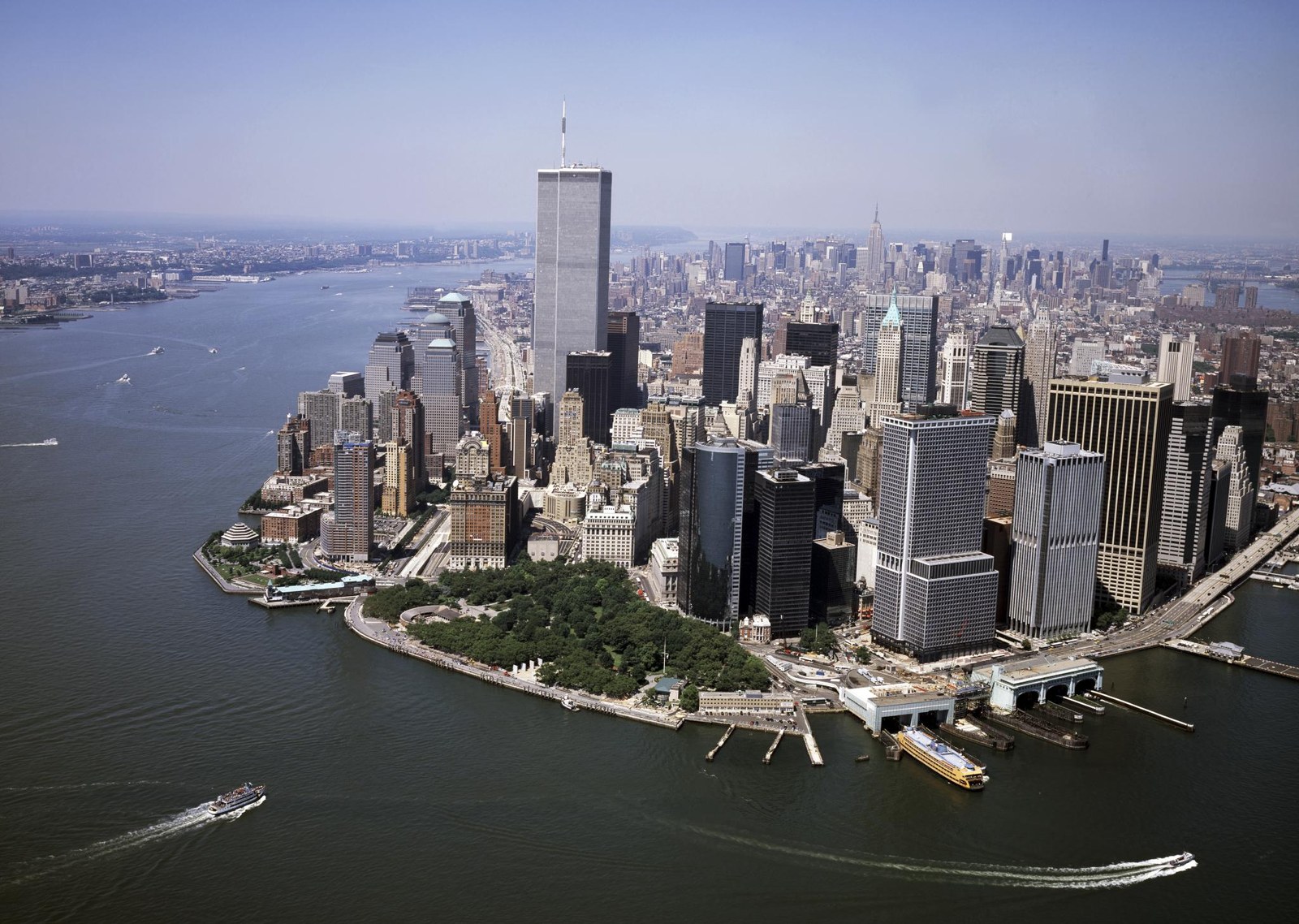
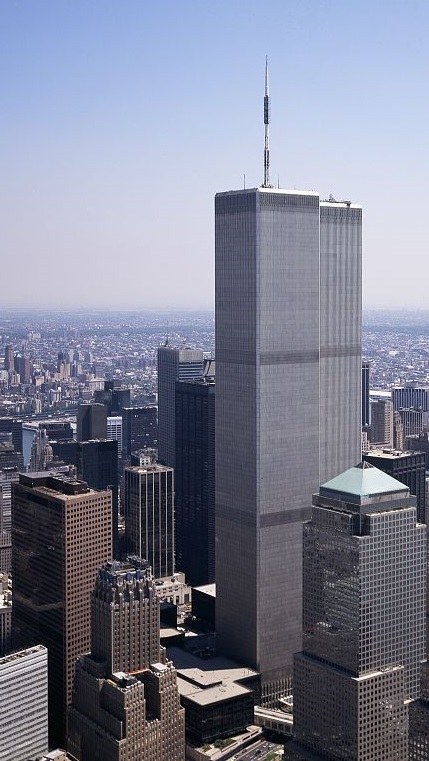
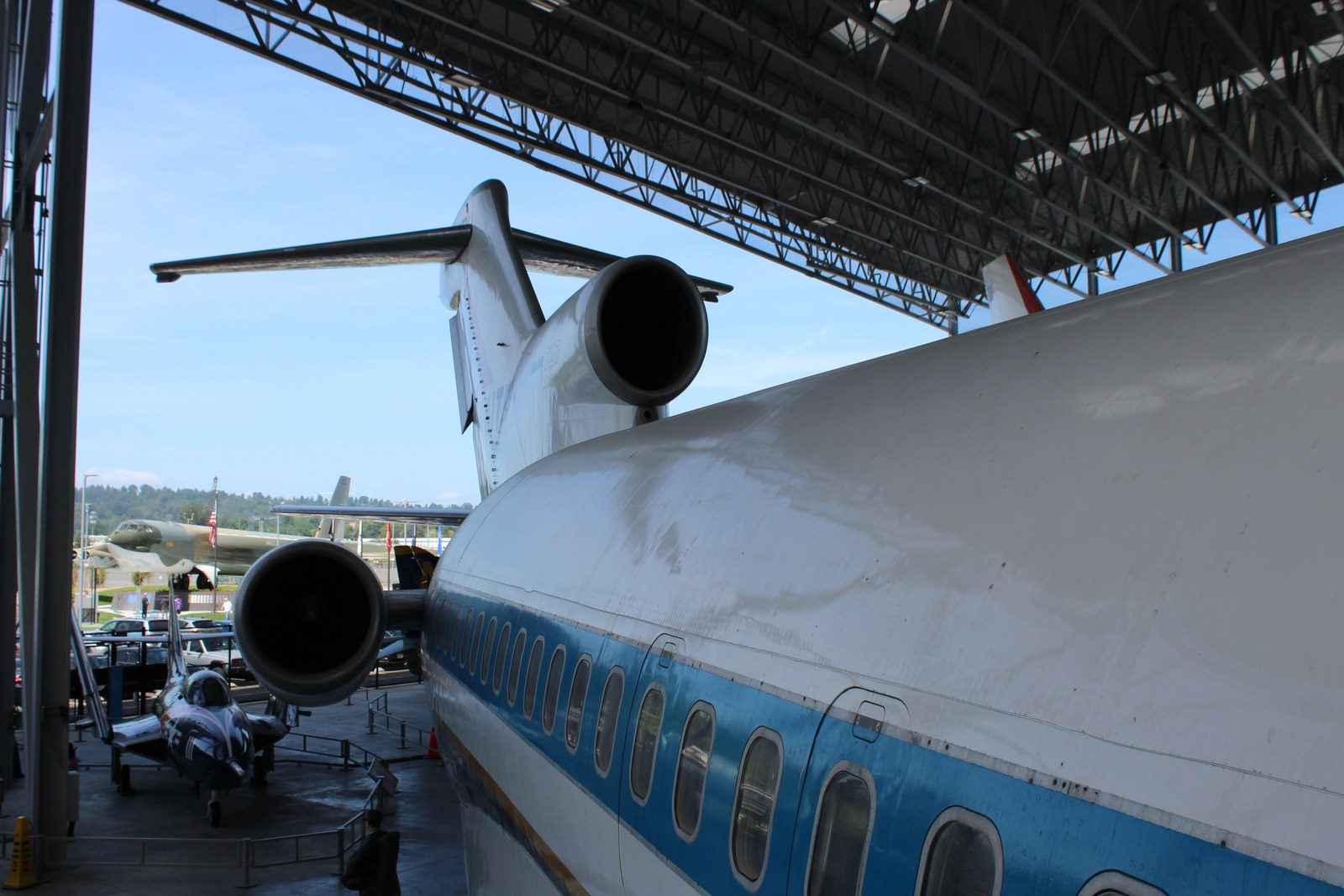
The Lone Gunmen followed three characters from The X-Files: Byers, Frohike and Langly, publishers of a tiny muckraking newspaper. Its first episode aired on Fox on 4 March 2001. Writing in 2006, Tom Feran of the Cleveland Plain Dealer recounted the plot. Byers learns that his father, a civilian employee of the Defense Department, has faked his death. His father tells him a "small faction" in the government plans to crash a jet in New York City and blame it on "tin-pot dictators." Father and son board the targeted flight to search for a bomb and find none. On the ground, Langly and Frohike discover that the plane is being flown by remote control to an "unscheduled stop." "World Trade Center," Byers says. "They're going to crash it into the World Trade Center." Langly frees the manual controls, and the pilot pulls the 727 into a steep climb that narrowly clears the towers.
Source: Tom Feran, The Spokesman-Review (from the Cleveland Plain Dealer), 18 September 2006: https://www.spokesman.com/stories/2006/sep/18/sept-11-was-deja-vu-for-some/
The adherents' reading
For adherents, the pilot is the clearest case of all: a government plot, a remotely flown airliner and the World Trade Center, on network television six months before the attacks. In a 2002 letter to Fortean Times, the writer Andrew May called the episode "a conspiracy theory as persuasive as anything which emerged post-9/11." In his summary of the transcript, the plotters reasoned that "extremists around the world would be quick to claim responsibility" and "an outraged government would declare an all-out war on terrorism."
Source: Andrew May, letter to Fortean Times (full text), 2002: https://www.andrew-may.com/lgm.htm
The idea gained force when one of the show's own cast discussed it. Introducing an interview with Dean Haglund, who played Langly, the writer Richard Thomas asked whether the government had foreknowledge of the attacks "and filter[ed] it out to the writers," and wrote that Haglund "seemed to be hinting" at this on a December 2005 broadcast. In Thomas's summary of the script, the plan was to blame the attack on foreign enemies and "launch a new global conflict against terrorism."
Source: Richard Thomas, Room 101 interview with Dean Haglund, Binnall of America (undated): https://binnallofamerica.com/rr061210.html
The mainstream reading
The writers describe a different process. Frank Spotnitz, who wrote the episode with Vince Gilligan and John Shiban, told TV Guide in June 2002 that almost no one had noticed the parallel: "I thought, 'Nobody noticed!'" He said his first thought on 11 September was the show, and added: "What's disturbing about it to me is, you think as a fiction writer that if you can imagine this scenario, then the people in power in the government who are there to imagine disaster scenarios can imagine it, too."
Source: Michael Ausiello, TV Guide, 21 June 2002: https://www.tvguide.com/news/sept-11-parallel-41409/
Spotnitz told Feran in 2006 that the writers were "brainstorming about what a huge attack on the United States might look like," and that he had worried for a time that the attackers had seen the show, "but that was not the case." The trade center had been car bombed in 1993. "It did seem like a big symbolic target," he said. In the Room 101 interview, Haglund himself said Gilligan told him he had "read about the idea in a Tom Clancy novel, so there was no direct involvement in this case."
Gilligan told Polygon in March 2026 that his reaction on the morning of the attacks was "We wrote this!" He added: "Except in our version, the good guys won," and, "I don't think for a minute the people who did that got the idea from our show, but it was sobering."
Source: Brian VanHooker, Polygon, 5 March 2026: https://www.polygon.com/vince-gilligan-x-files-spinoff-the-lone-gunmen-interview/
Researchers who study conspiracy belief look at how such matches are found. Writing in The Atlantic in October 2015 about films said to hide warnings of 9/11, Adrienne LaFrance described apophenia as "the tendency to perceive a pattern among unrelated or random ideas or objects," and quoted the political scientist Joseph Uscinski: "Some people are just predisposed to view conspiracies lurking behind every corner."
Source: Adrienne LaFrance, The Atlantic, 21 October 2015: https://www.theatlantic.com/technology/archive/2015/10/going-online-in-the-age-of-conspiracy-theories/411544/
The adherents' answer
Adherents reply that apophenia explains clocks and number pairs, not this. Feran put it plainly: the attack "they said no one possibly could have imagined" had been on television six months earlier. For adherents, the details matter more than the target: a faction inside the government, a plane flown by remote control, blame placed on foreign enemies, and a new war on terrorism. In their reading, a story that close, aired that soon, was a preview.