The case
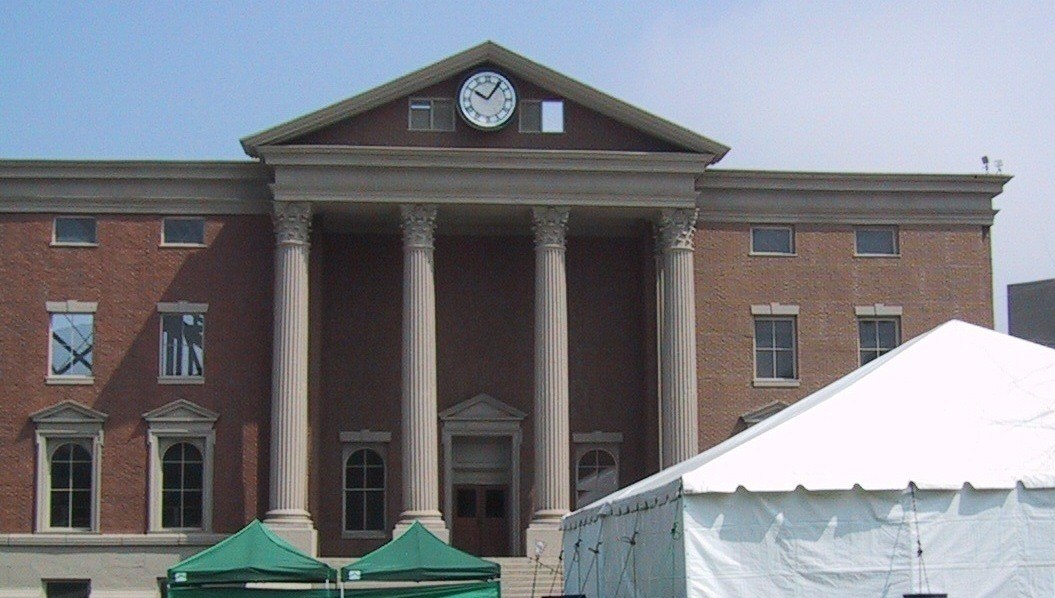
Back to the Future Part II was released in 1989, the second film in the time travel trilogy that began in 1985. In it, Biff Tannen, the bully of the first film, steals a sports almanac from 2015 and gives it to his younger self, who uses its results to win bet after bet. When the heroes return to 1985, they find a different town. As Variety summarized in October 2015, Biff builds "a 27-story casino and gain[s] political sway, which he uses to take over Hill Valley," where he insists on being called "America's greatest living folk hero."
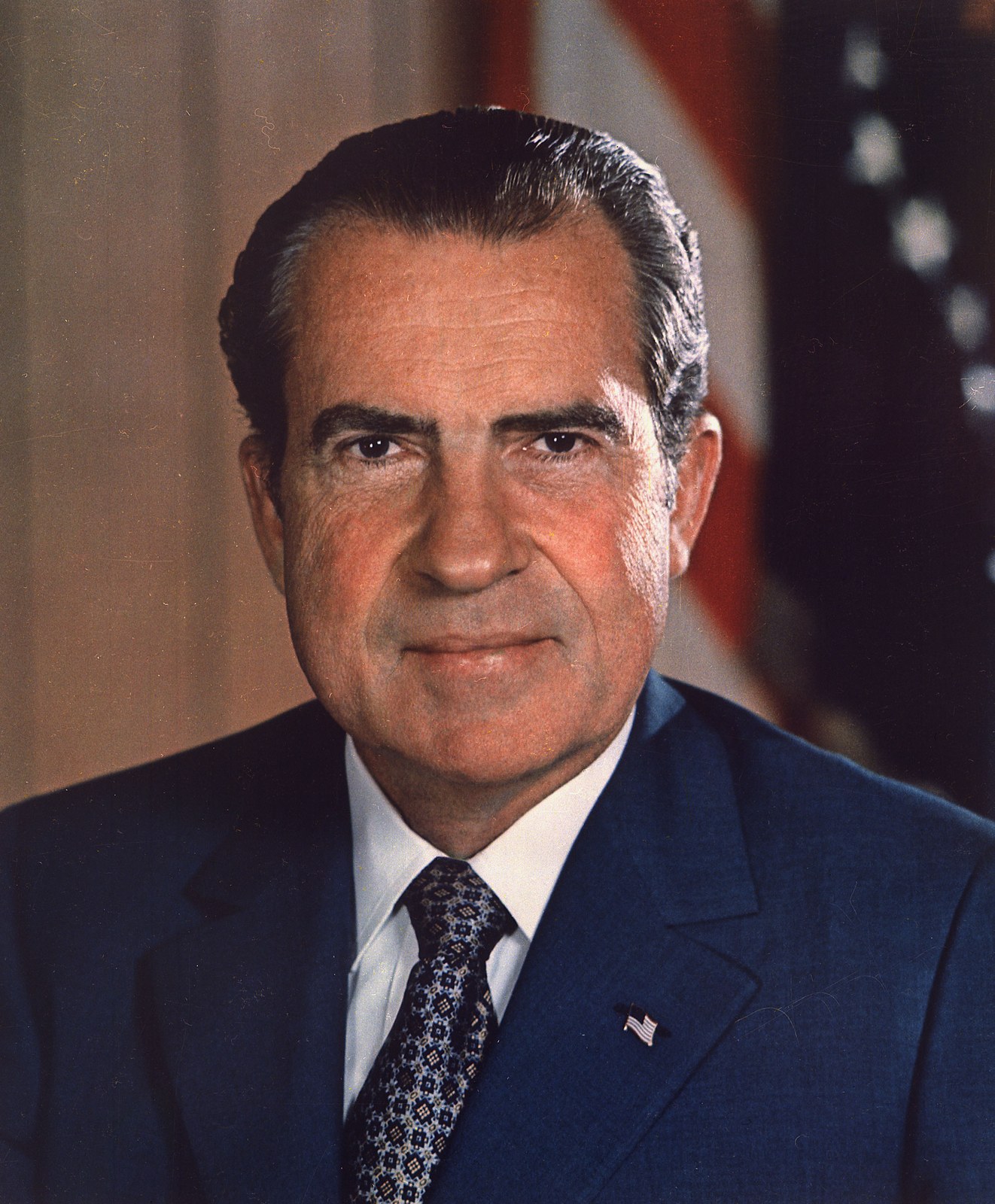
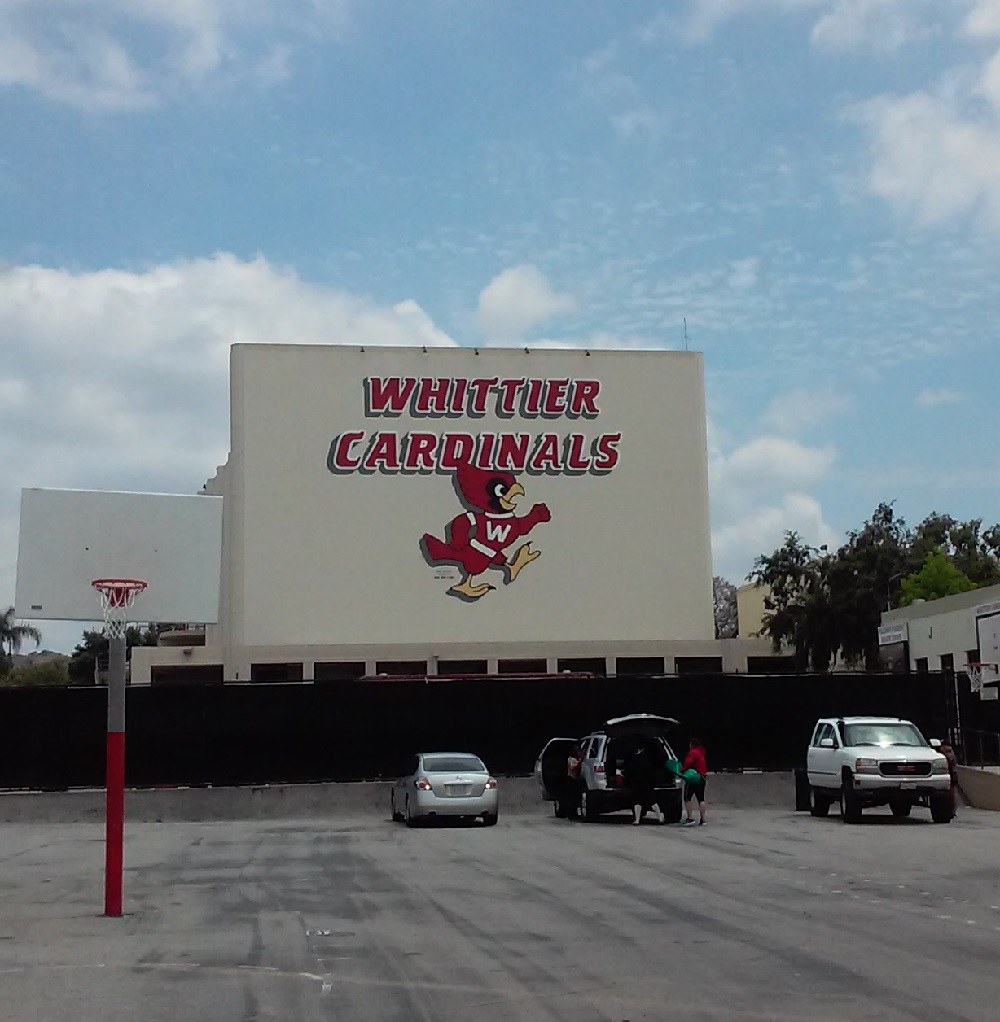
The altered 1985 has its own newspaper, the Hill Valley Telegraph. Writing for Mental Floss, Jason English pointed to a front page story from that timeline which reads: "Nixon to Seek Fifth Term; Vows End to Vietnam War by 1985." Richard Nixon was the former president whose old school, Whittier High School in California, stood in for Hill Valley High in the first film. The film never shows Biff as president.
The adherents' reading
For adherents, Biff's casino tower, his wealth and his hold on the town are a preview of Donald Trump, the developer and casino owner who was elected president of the United States in 2016. A 2023 post on the Dusty Reviews blog sets out the timing that adherents return to: "2015 is both the year that Marty visits 'future Biff' and also the year that Donald Trump announced his run for the U.S. Presidency." The post closes with the question adherents put to the film: "Is this movie something like predictive programming? Perhaps!"
In this reading, the film did more than sketch a rich man. It showed audiences a casino magnate turning his fortune into power over a whole community, decades before the real election, and placed its future in the very year the real campaign began.
The mainstream reading
The film's co-writer has explained where the likeness came from. On 21 October 2015, the date the heroes visit in the film, Bob Gale told Ben Collins of The Daily Beast that the filmmakers had Trump in mind: "We thought about it when we made the movie! Are you kidding?" He pointed to a scene in Biff's office, with "a huge portrait of Biff on the wall behind Biff," where Biff "takes exactly the same pose as the portrait." Asked again, he said: "That's what we were thinking about."
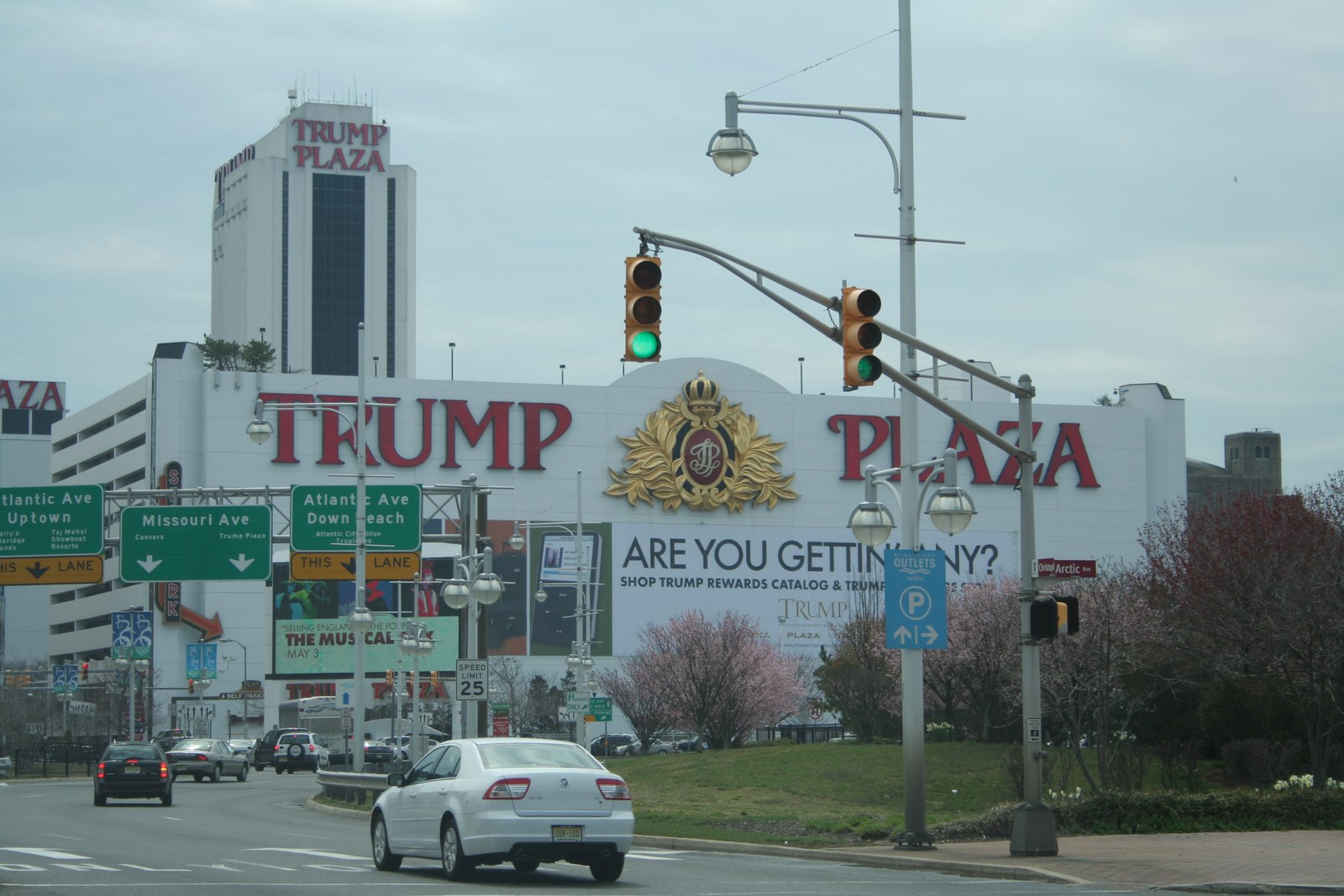
On that account, the model was Trump the businessman of the 1980s, not a future politician. Rolling Stone's Tessa Stuart noted that Biff's penthouse sits atop a casino that "bears a striking resemblance to the Trump Plaza Hotel, which opened its doors five years before the film premiered."
The researchers' view
Researchers who study claims of this kind look at the size of the pool. Reporting for The New York Times in February 2018 on claims that The Simpsons predicted events, Maya Salam pointed to "the law of truly large numbers," set out by the Harvard mathematicians Frederick Mosteller and Persi Diaconis: "With a large enough sample, any outrageous thing is apt to happen." The Simpsons showrunner Al Jean told her that a line about a future President Trump belonged to a category he called "plausible predictions," because Trump was already a public figure talking about a run. On this view, a film satirizing a famous developer in 1989 produced a match once that same man entered politics, and the many details that never came true go unremembered.
The adherents' answer
Adherents accept that Biff was modeled on a real man. That, they say, is the point. The filmmakers explained the face, the portrait and the casino, but not the story built around them: a rich developer who turns a tower and a fortune into power over a whole community. Among all the futures a 1989 film could have imagined for such a man, this one came true, and it was set in the year his campaign began. To adherents, that is a pattern worth asking about, not a coincidence to wave away.