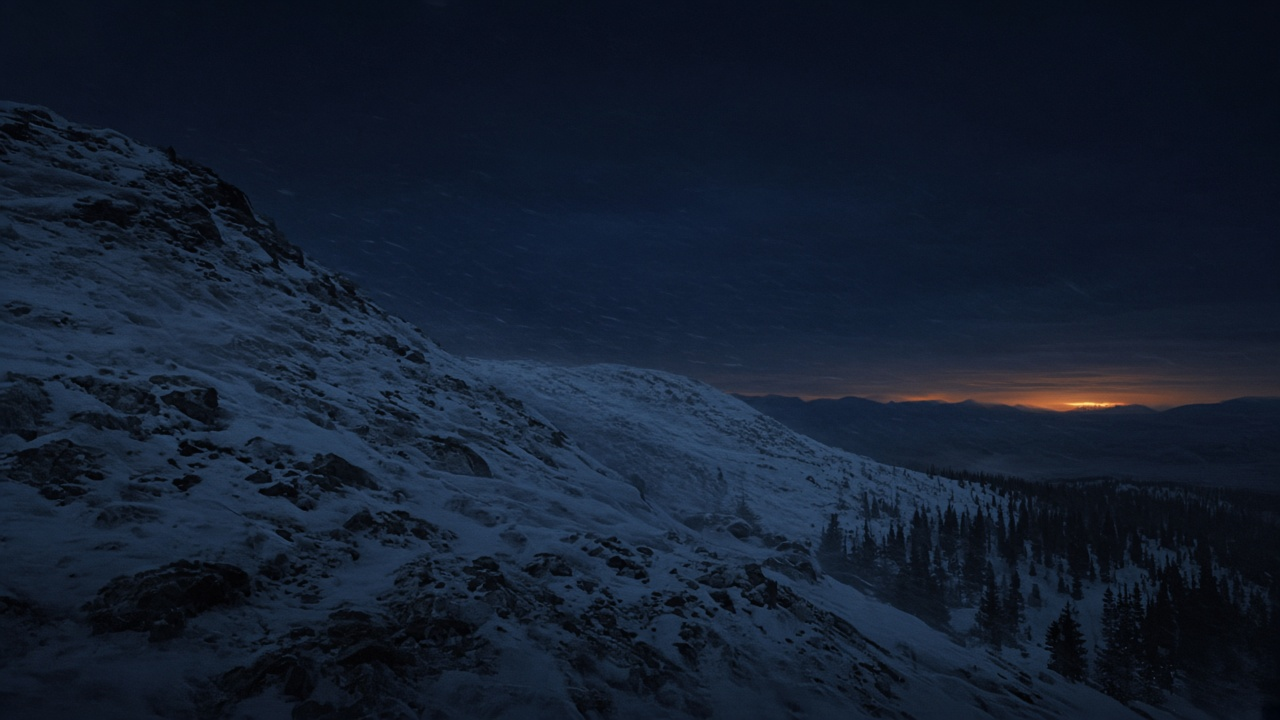
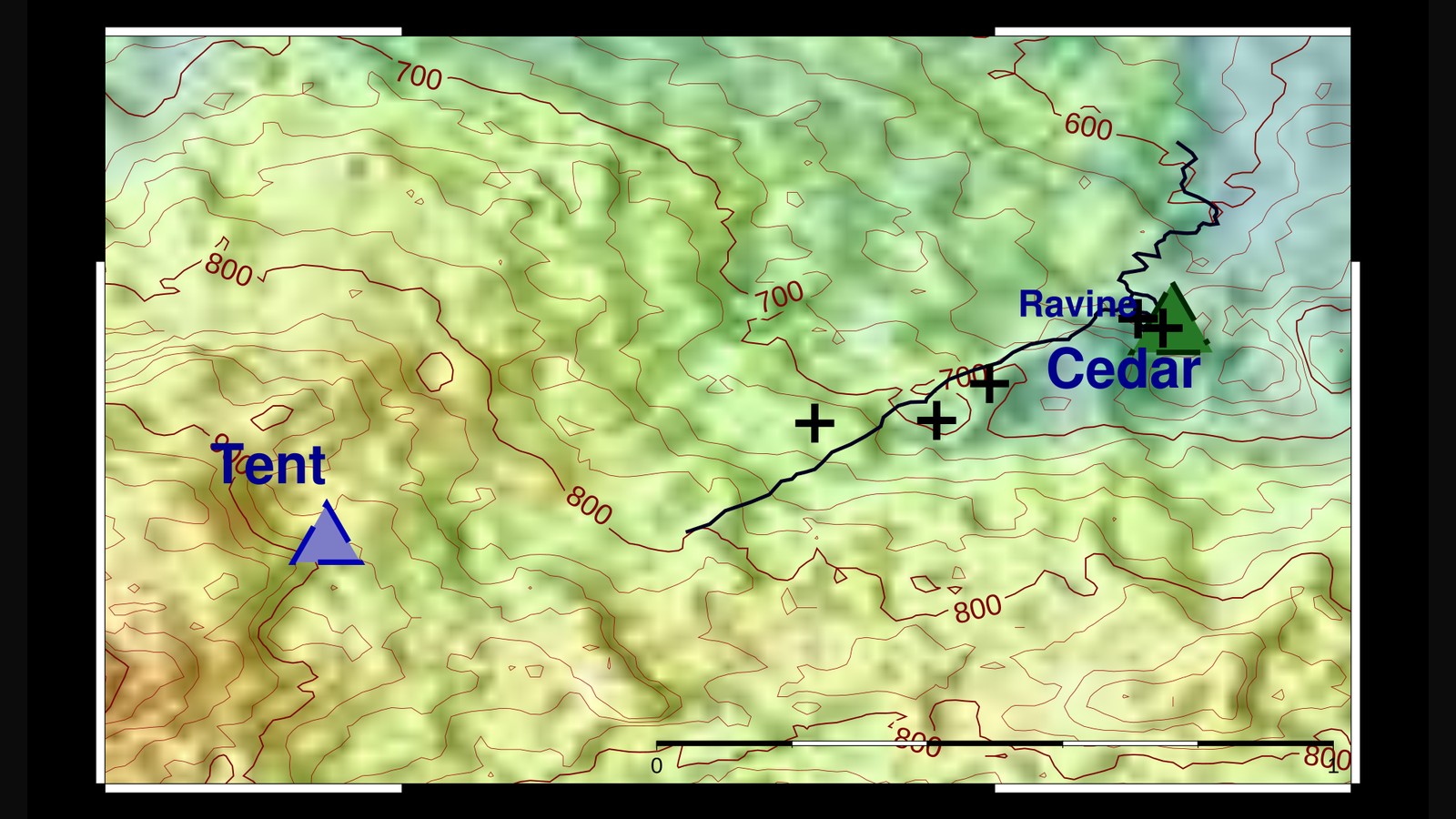
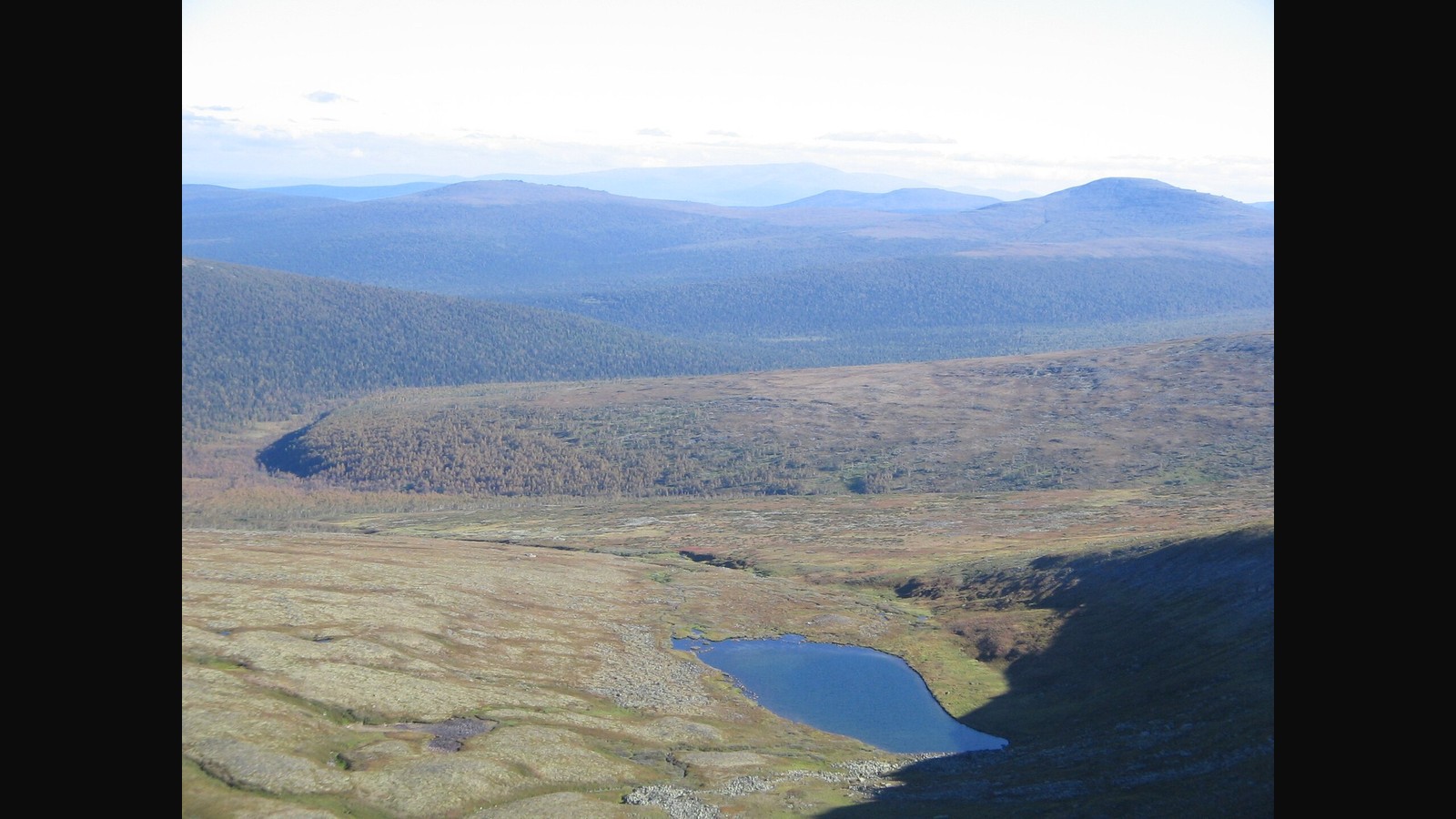
Some believe the nine hikers who died on the mountain the Mansi call Kholat Syakhl in February 1959 were killed by something the Soviet state never admitted: a military test, a secret weapon, or another hidden event. They left their tent at night, cut it open from the inside, and walked into deep cold without proper clothing. The original investigator named no cause beyond an "overwhelming force." Decades later, the families' representatives still do not accept the official answer. The case file quoted here is read in English translation.
The investigator's own words
The group, led by Igor Dyatlov, came from the Ural Polytechnic Institute. When searchers reached their camp on February 26, 1959, they found the tent on the eastern slope of the peak known as "1079," well pitched, with equipment and food inside. The investigator's resolution closing the case, dated May 28, 1959, records the lee side of the tent "cut from the inside in two places," and that the tent had been "abandoned suddenly by all hikers at the same time," leaving shoes and outer clothing behind.
Eight or nine sets of tracks led about 500 meters downhill, some "almost barefoot (for example, in one cotton sock)." The remains of a fire lay about 1.5 kilometers from the tent. Three more were found strung out between the fire and the tent, on a line leading back toward the camp. The investigator found no traces of a struggle or of other people. His conclusion, in translation: "the cause of their demise was overwhelming force, which the hikers were not able to overcome."
https://dyatlovpass.com/case-files-384-387?rbid=17743
Radioactivity on the clothing
Among the case papers is a radiological analysis made in May 1959 by the Sverdlovsk sanitary epidemiological station. It tested clothing and tissue samples. According to the translated report, some samples showed "excessive radioactivity (Beta emission only, no Alpha or Gamma-quanta) of 200 to 300 counts per minute over the natural background." The highest reading, 9,900 counts per minute per 150 square centimeters, came from a brown sweater; a sweater belt and the bottom of a pair of trousers also read high.
For adherents, this is the most difficult page in the file. Why was a radiation test ordered at all for students lost on a ski trek, and what put that contamination on their clothes?
https://dyatlovpass.com/case-files-371-377?rbid=17743
Seventy-five versions
On February 1, 2019, sixty years after the deaths, Russia's Prosecutor General's Office announced a new check of the case. Days later TASS reported the opening statement from Andrei Kuryakov of the Sverdlovsk regional prosecutor's office. Investigators had weighed 75 versions of what happened. All theories of state involvement, he said, had been ruled out, and fifteen theories of secret agency involvement declared groundless. The most probable explanations were a hurricane or a snow avalanche.
The review would take another year and a half.
https://tass.com/society/1043155
The prosecutors' answer
On July 11, 2020, in Yekaterinburg, Kuryakov, by then a deputy chief at the Prosecutor General's directorate for the Urals Federal District, announced the conclusion. An avalanche forced the group out of the tent. In poor visibility they could not find their way back, and they froze. TASS gave the temperature as minus 30 C and summarized the injuries: no signs of a struggle, but two of the hikers had fractured skulls, two had broken ribs, and one was missing her tongue. The prosecutors described these injuries as typical of people caught in an avalanche.
It was the first time the state had named a single natural cause. It did not settle the matter for the people closest to the case.
https://tass.com/emergencies/1177345
"We do not agree"
Kommersant's detailed report of the same announcement, in Russian, records the response. Yevgeny Chernousov, lawyer for the public foundation in memory of the Dyatlov group, told TASS that he disagreed with the prosecutors' version. In translation: "We do not agree... in fact this check produced nothing." He said the relatives maintain that a man-made catastrophe linked to the military was responsible, and that the original 1959 criminal case "was hidden from registration, since it had no serial number."
Kommersant also sets out how much the group had planned: more than 350 kilometers on skis in 16 days, with ascents of Otorten and Oyko-Chakur, and a telegram due from the village of Vizhay on February 12. The telegram never came.
https://www.kommersant.ru/doc/4415422
The slope question
In January 2021 two researchers, Johan Gaume of EPFL and Alexander Puzrin of ETH Zurich, published a peer-reviewed model in Communications Earth & Environment. They proposed a delayed slab avalanche: a cut made in the slope to pitch the tent, plus snow deposited by wind, could have released a small slab 7.5 to 13.5 hours later, causing severe but non-fatal injuries "in agreement with the autopsy results."
The same paper lists the reasons the avalanche idea was disputed for so long: a slope angle lower than usual for avalanches, scarce signs of one, an unclear trigger and injuries that looked abnormal. Those are the points adherents still press. A tent cut from inside, clothing that read radioactive, a case closed by an unnamed force and reopened sixty years on. Was it snow on a shallow slope, or something the record has never shown?