The case
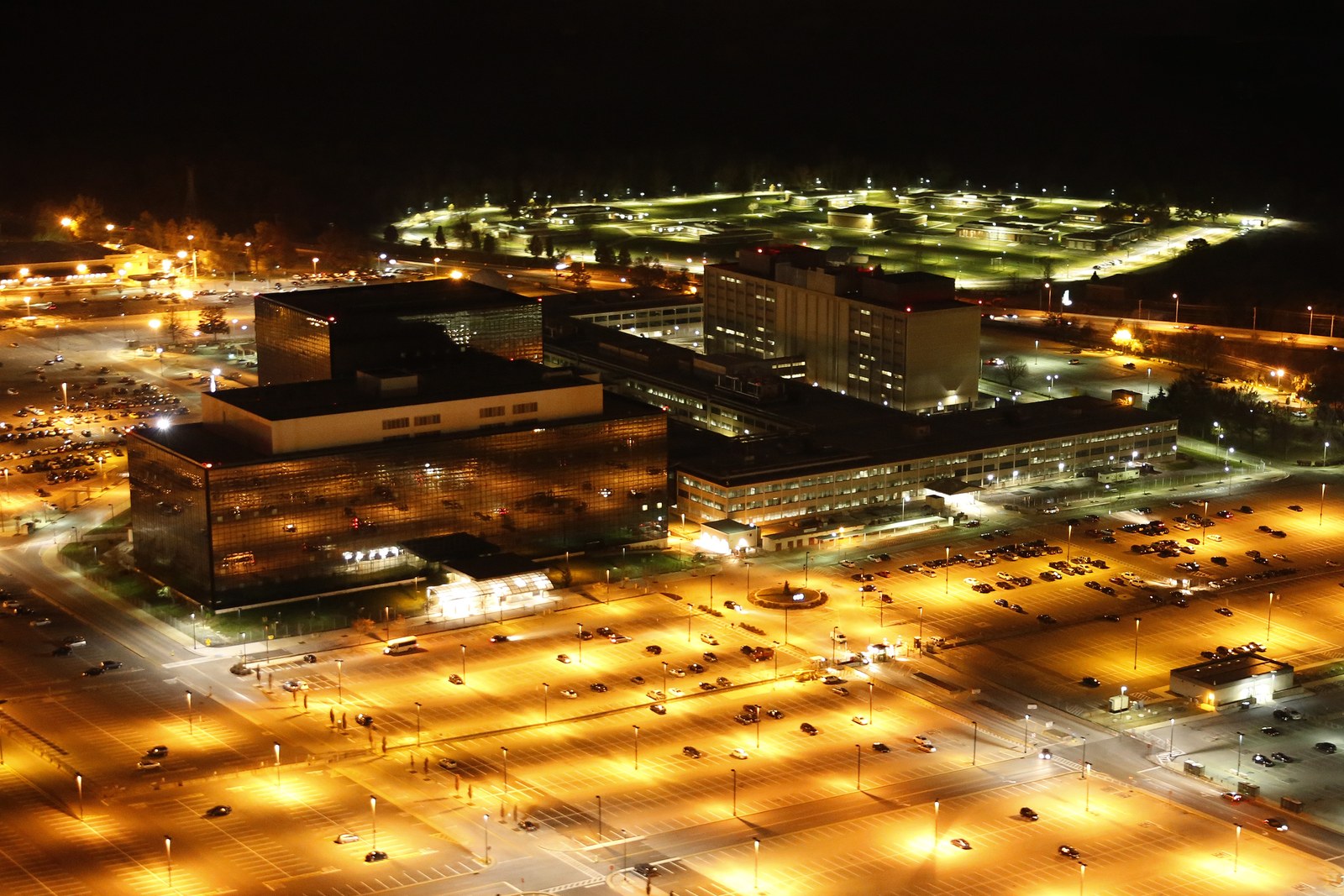
Enemy of the State was released in 1998. As Newsweek's Evan Thomas summarized it in December 1999, "rogue operators from the supersecret National Security Agency (NSA; sometimes known as No Such Agency) assassinate a U.S. congressman who's trying to limit the NSA's electronic spooks' ability to listen in on ordinary Americans." Thomas closed with a caution of his own time: "It is remotely possible that the kind of fiction imagined by 'Enemy of the State' could become reality."
The adherents' reading
For adherents, the film belongs to a longer run of stories that prepared the public. The journalist and podcaster Tom Secker, of the site Spy Culture, devoted an episode of his ClandesTime podcast to "art and media that predicted the Edward Snowden story," from Catch-22 to Enemy of the State, and to the ways in which public perceptions were "shaped and conditioned long before the leaks began."
In this reading, a big Hollywood thriller did two things at once. It showed millions of viewers what total surveillance might look like, and it did so as entertainment, so that when real programs were described years later, the picture already felt familiar.
The mainstream reading
Fifteen years after the film, in June 2013, as New York magazine's Eric Benson put it, "the NSA story broke" with Edward Snowden's disclosures, and "many commentators invoked Enemy of the State," the film "in which Will Smith is chased by an omnipresent security state." The screenwriter says the film drew on what was already published. David Marconi told Benson that the comparison did not surprise him. Researching the script, he said, "I came across this book called The Puzzle Palace, by James Bamford, in which he pretty much lays out everything that the NSA is doing now and has done for years." He added: "Anyone who was in any way paying attention to this stuff knew that the NSA was a big vacuum cleaner and that they were storing everything." At the time of release, he recalled, "A lot of the critics found the plot far-fetched," and director Tony Scott made it "much more entertainment fare."
The agency did not see itself in the film. Internal NSA emails reported by Bonnie Kristian of The Week in 2016 show one employee writing that "creative license may mean that 'the NSA,' as portrayed in a given production, bears little resemblance to the place where we all work." Michael Hayden, then head of the NSA, told CNN in 2001: "I made the judgment that we couldn't survive with the popular impression of this agency being formed by the last Will Smith movie."
The researchers' view
Researchers of surveillance point out that the real system was already being reported before the film. The investigative journalist Duncan Campbell writes that in 1988 he "revealed in the New Statesman the existence of ECHELON, an extension of the UKUSA Agreement on global signals intelligence." That piece, he notes, "passed largely unnoticed outside of journalism circles," until the New Zealand reporter Nicky Hager published Secret Power in 1996, and reports for the European Parliament followed in 1998 and 1999.
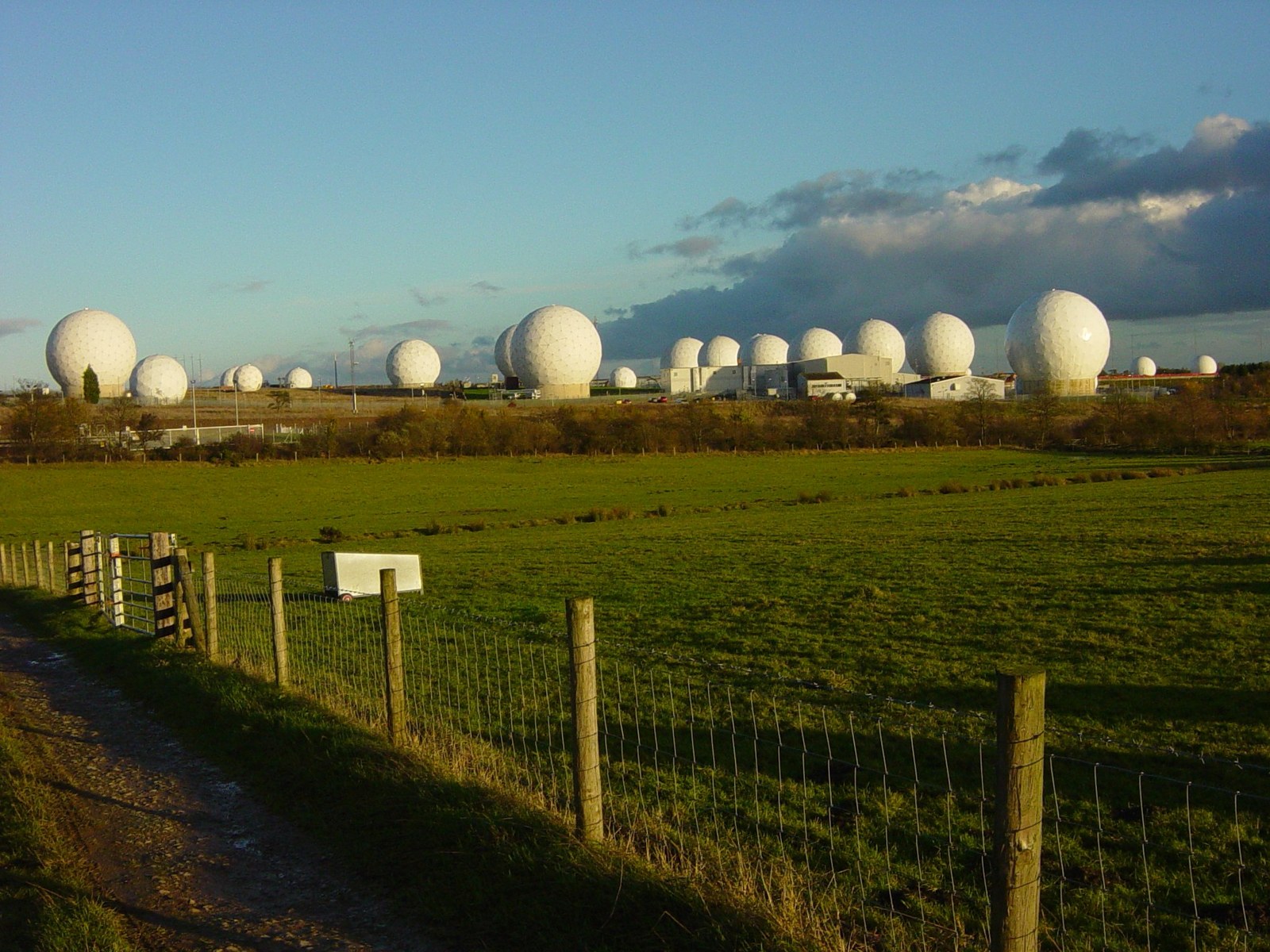
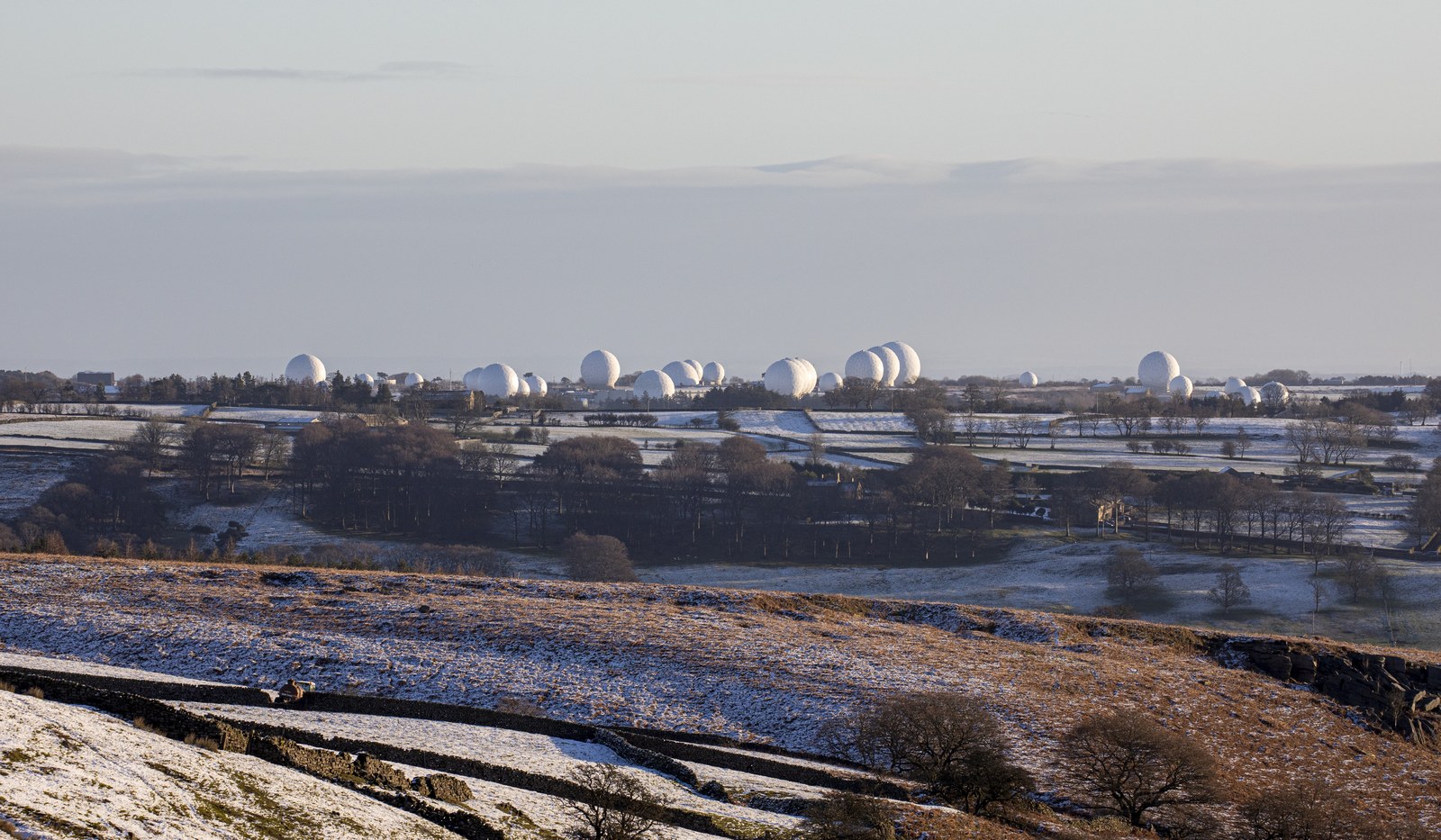
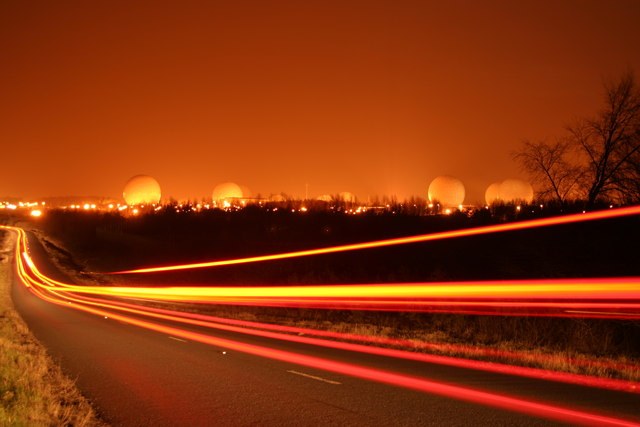
The 1988 article itself, headed "Somebody's listening," reported that "according to information given recently in secret to the US Congress, the surveillance system will enable the agencies to monitor and analyse civilian communications into the 21st century," and named the NSA base at Menwith Hill in Yorkshire as the largest overseas station in the network. On this view, the film dramatized a debate that was already a decade old.
The adherents' answer
Adherents accept that the reporting came first. That, they say, is the point. A magazine article reaches a few thousand readers; a summer thriller reaches millions. The film took a system most people had never heard of and turned it into a chase, with a hero who escapes and a public that cheers him on. When the real programs were described years later, the outrage was brief, and adherents see that calm as the result. In their reading, the public was shown the machine before it was asked to accept it.