
The case
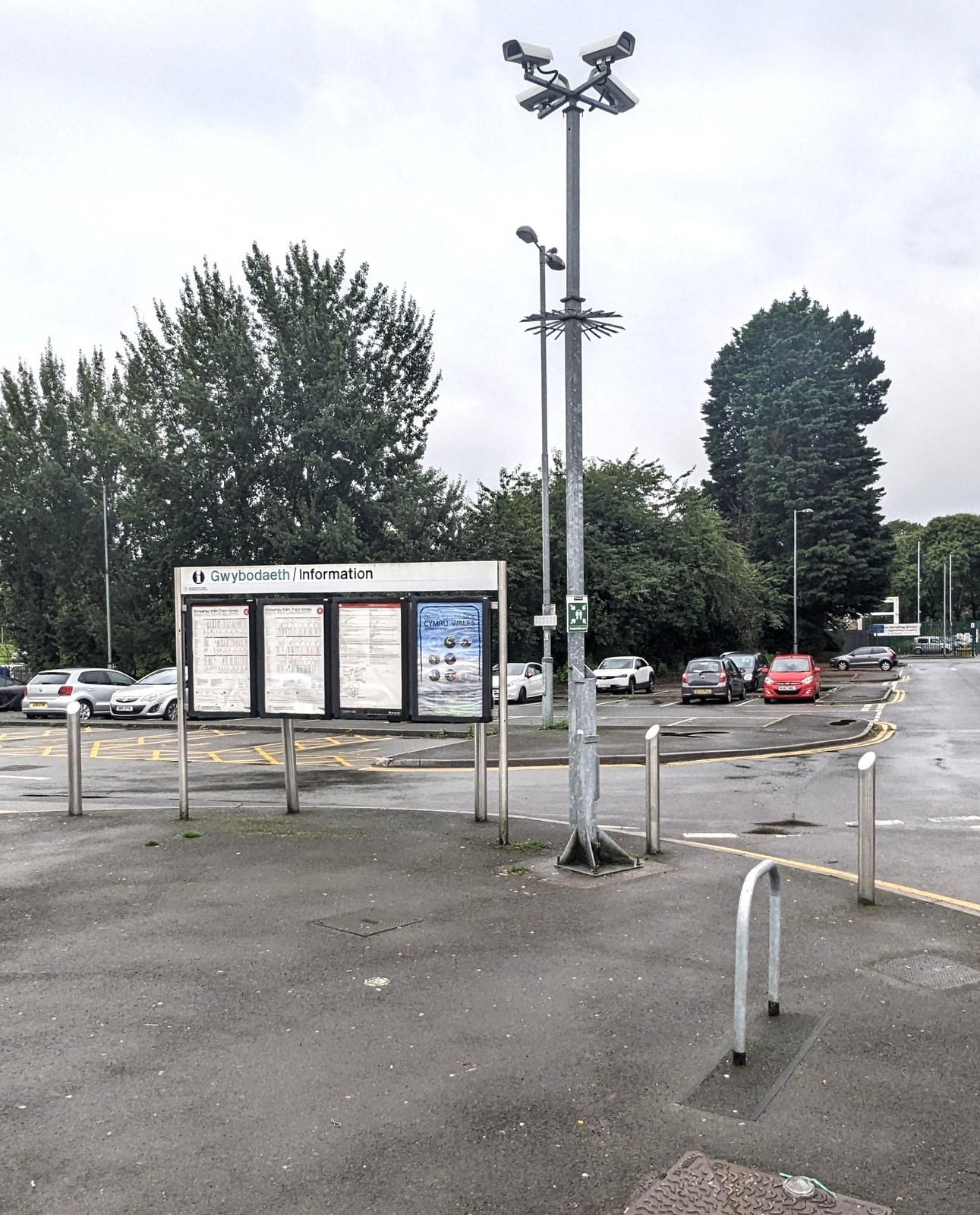
The Truman Show was released in 1998. Written by Andrew Niccol and directed by Peter Weir, it follows Truman Burbank, played by Jim Carrey. As Emily Maskell summarized for BBC Culture in 2023, Truman's "family and friends are actors, and the world around him is a manufactured facade." Chosen from birth, his life "is documented with 5000 cameras placed throughout his 'hometown' of Seahaven Island that broadcast his life around the clock." The show's creator, Christof, explains the appeal in the film's opening moments: "We've become bored with watching actors give us phoney emotions."
The film names no date and points to no single later event. What adherents point to is the world that followed: reality television, lives shared online, and cameras and data collection in daily life.
The adherents' reading
For adherents, the film was not a warning but a lesson. A July 2025 Medium post by the writer MrsNo1Special asks whether the shows we love are "reflections of culture" or "instructions." It lists what came after the film: "GPS tracking. Behavior-based advertising. Smart TVs listening. Virtual assistants logging tone and tempo." Then it asks the central question: "The eeriest part? We're not resisting. We're participating. Voluntarily. But what if this compliance was programmed in advance?"
The post groups The Truman Show with The Matrix and other dystopian stories as possible "conditioning agents," and describes predictive programming as "a concept where media primes the population for future realities, making the once unthinkable feel familiar, inevitable." In this reading, audiences who laughed at Truman's watched life were being taught to find it normal.
The mainstream reading
The filmmakers say they were reacting to their own time, not forecasting. Weir told BBC Culture: "I had no idea the tsunami of reality TV lay just below the horizon." BBC Culture notes that when the film was made, reality television "was in its infancy, with shows like The Real World leading the way." Weir recalled that the creator of Big Brother, then in planning, said something like: "When I saw Truman I thought we better get a move on."
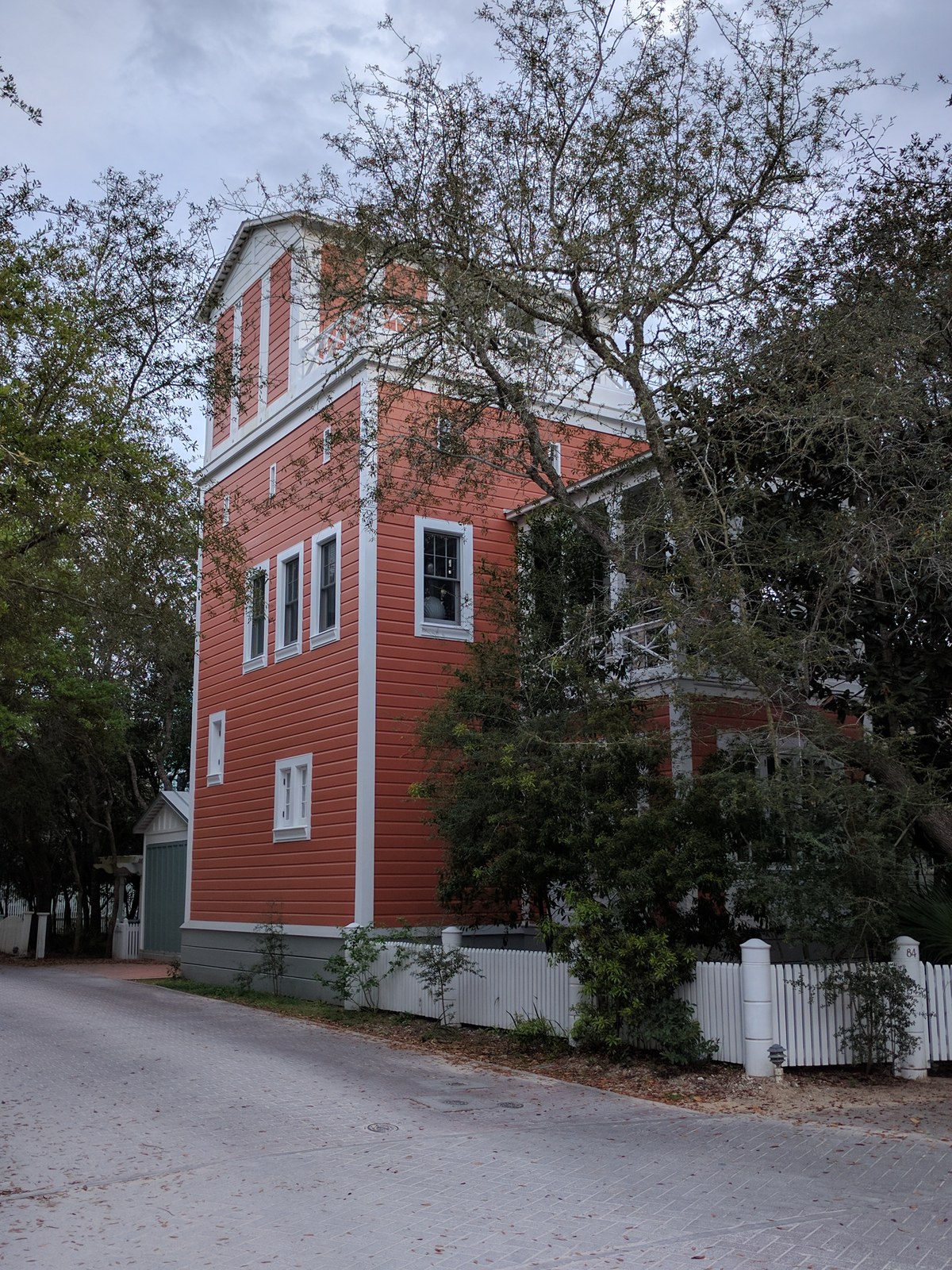
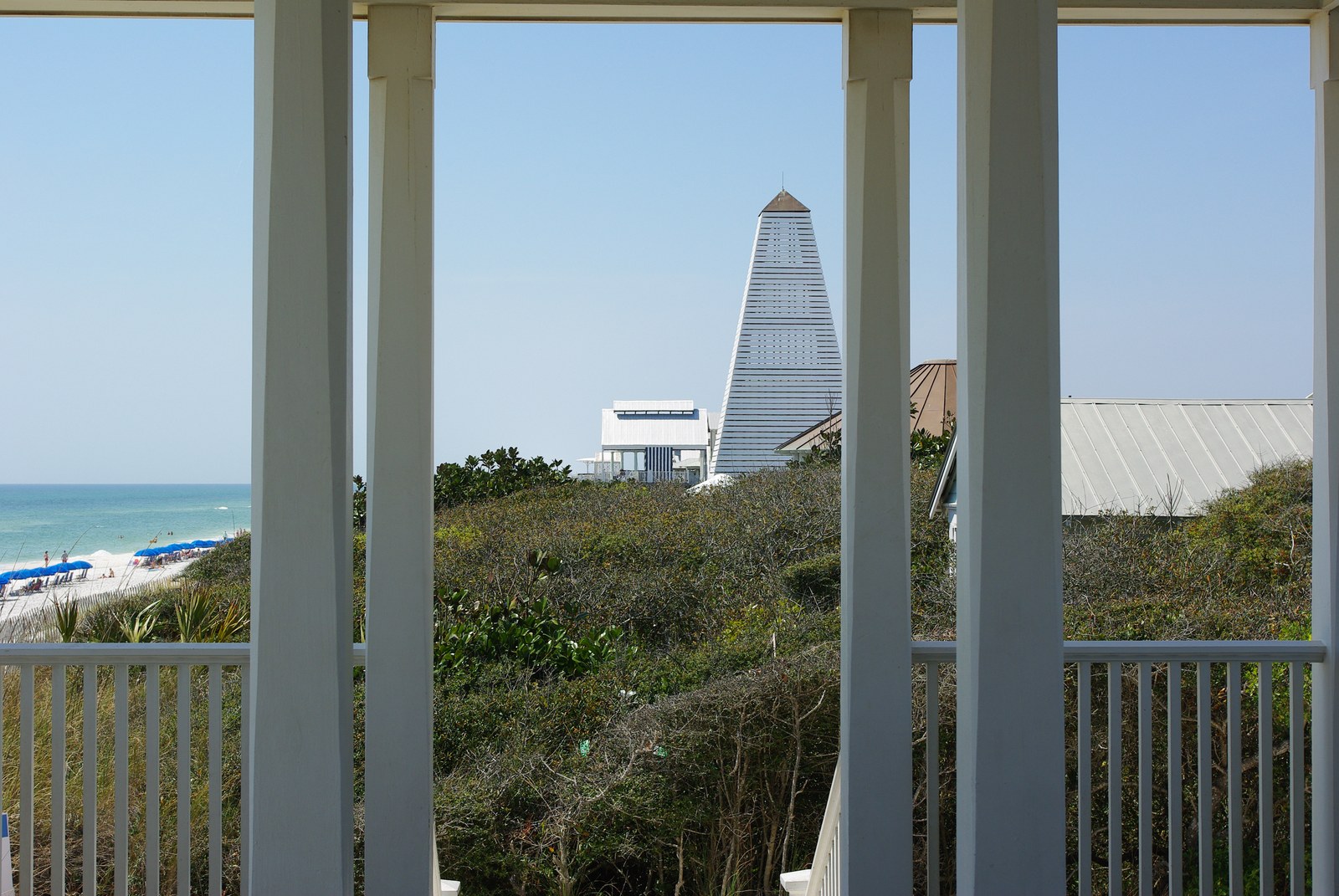
Niccol told Vanity Fair's Julie Miller in 2018: "I certainly didn't foresee the onslaught of so-called reality television. I doubt the film had much to do with it." He added: "At the time of writing, there was no reality television. The Real World started just after I finished the script." The same article notes that the town on screen was a real one: the planned community of Seaside, on the Florida panhandle, renamed Seahaven. To Lou Thomas of the BFI, Niccol traced the idea to childhood, "I've had it from almost childhood," and dismissed the claim that it came from an episode of The Twilight Zone. Writing in Wired the same year, Darryn King recalled that on release the film "seemed delightfully far-fetched. Big Brother hadn't yet turned its gaze to the US. Google was still in the garage."
The researchers' view
Scholars of surveillance read the film as a study of its moment. In a 2005 article in the journal Surveillance and Society, Peter Marks of the University of Sydney described it as "reflecting on the emerging (but at that point not ubiquitous) genre of reality television," and as an "engaging and provocative account of modern celebrity culture, with its belief that the unscreened life is not worth living." He tied it to older fears: "Connections to the telescreens of Nineteen Eighty-Four seem obvious."
Ian Gold, a professor of philosophy and psychiatry at McGill University, told BBC Culture that the film "captured a salient moment in the history of technology," and that the wider rise in surveillance came from events: "Following 9/11, the Patriot Act made surveillance a salient feature of American culture." On this view, the film named fears already present, and later events gave those fears their weight.
The adherents' answer
Adherents accept that the film reflected its time. That, they say, is how conditioning works: it begins with what audiences already half know and shows them where it leads. The Truman Show made a watched life look gentle, even funny, and audiences left the cinema rooting for a man in a cage that looked like a holiday town. Two decades later, adherents argue, people carry the cameras themselves and call it sharing. To them, a story that makes the cage look pleasant is not only a warning. It is a rehearsal.