
The film
The Matrix, released in 1999, follows a computer programmer known as Neo who learns that the world he lives in is a simulation. As Cassidy Ward summarized for SyFy Wire in 2019, Neo discovers that he is "a battery, an energy source for the vast machine civilization ruling the world," and that his everyday life is a simulation meant to keep his mind occupied. After a war in which humans blackened the sky to cut the machines off from solar power, the rebel leader Morpheus explains, the machines turned to people: "The human body generates more bioelectricity than a 120-volt battery and over 25,000 BTUs of body heat," combined, he adds, with a form of fusion. "For the longest time, I wouldn't believe," Morpheus says. "And then I saw the fields with my own eyes."
Source: Cassidy Ward, SyFy Wire, 27 March 2019: https://www.syfy.com/syfy-wire/science-behind-the-fiction-humans-as-batteries-as-in-the-matrix-probably-not-gonna-happen
The adherents' reading
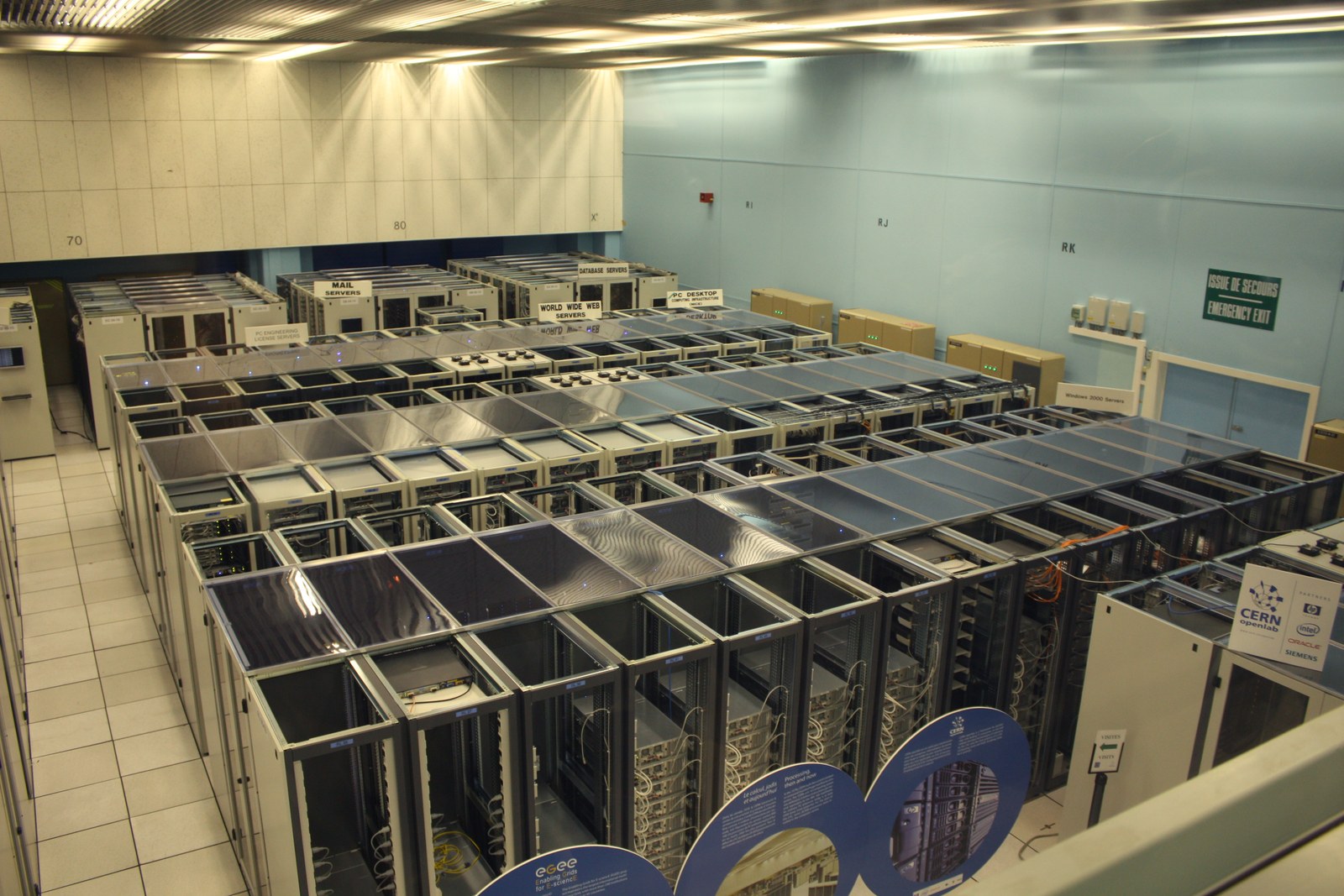
For adherents, the film is one lesson in a long curriculum. Writing on Substack in July 2026 under the name Lamentor, one adherent put it bluntly: "This was not prophecy. This was programming." In that reading, the film "showed you the architecture of your own obsolescence," and it belongs to a run of films that taught audiences what to expect from machines, beginning with The Terminator: "Terminator (1984) taught you to expect a war between man and machine, to view artificial intelligence as an inevitability rather than a choice." Pointing to the rapid growth of data centers, which "require energy. Immense, continuous energy," the same writer concludes: "The Matrix was not fiction. It was disclosure dressed as dystopia."
Source: Lamentor, "The Matrix Was a Documentary," Substack, 31 July 2026: https://lamentor.substack.com/p/the-matrix-was-a-documentary-5000
The mainstream reading
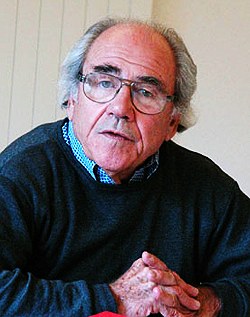
Critics trace the premise to philosophy rather than foreknowledge. Writing for the BBC in December 2021, Alex Taylor reported that the film's creators "loosely based their dystopian vision on the work of French academic philosopher Jean Baudrillard," whose 1981 book Simulacra and Simulation described a "desert of the real," a world in which reality had been replaced by illusions. Morpheus uses the same phrase in the film. Baudrillard himself was not a fan of how the film used his ideas: "The Matrix is surely the kind of film about the matrix that the matrix would have been able to produce."
Source: Alex Taylor, BBC News, 21 December 2021: https://www.bbc.com/news/entertainment-arts-57572152
Keanu Reeves, who played Neo, has described the reading list he was given before he could see the script. As Far Out recounted in 2023, quoting the documentary The Matrix Revisited: "I had to read Baudrillard. I had to read Out of Control, which was about systems, evolution, and robots. And then there was another book which was Evolutionary Psychology." Out of Control is a 1992 book by the technology writer Kevin Kelly.
Source: Thomas Coll, Far Out, 17 May 2023: https://faroutmagazine.co.uk/books-keanu-reeves-read-for-the-matrix/
The physics has its critics too. In the SyFy Wire piece, Ward works through the laws of thermodynamics and concludes that a body at rest burns far more energy than it could ever give back: "An array of human batteries is the energy equivalent of a Ponzi scheme."
The researchers' view
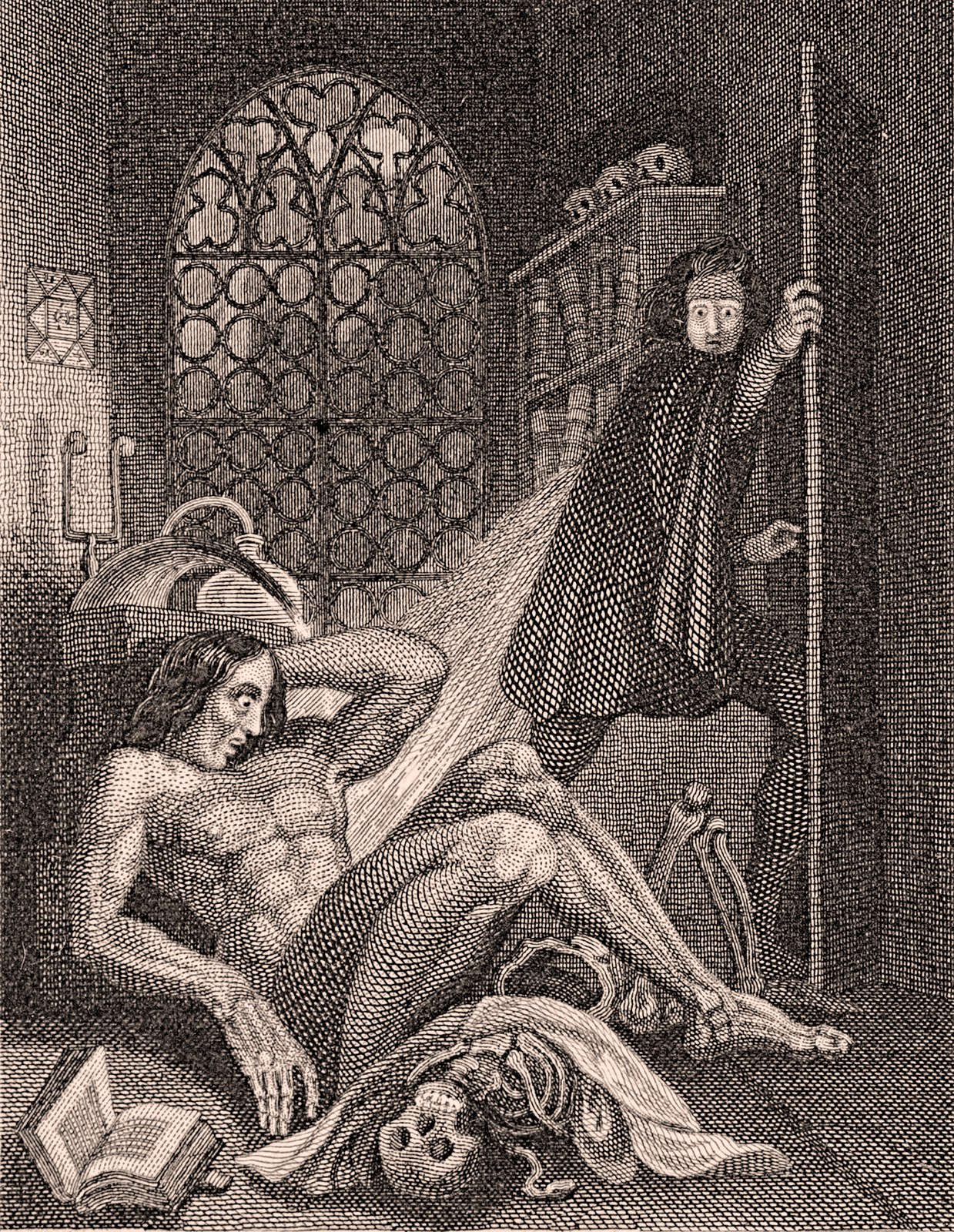
Researchers who study stories about artificial intelligence see the film as part of a very old pattern. A 2018 report by the Royal Society and the Leverhulme Centre for the Future of Intelligence at the University of Cambridge notes that "imaginative thinking about intelligent machines is ancient, reaching back at least to Homer's Iliad," and that in Karel Čapek's 1920 play R.U.R., the work that coined the word "robot," "the creations rebel against their masters and destroy them." It names Mary Shelley's Frankenstein (1818) as "the paradigmatic narrative of humankind's unnatural creations rising up against us." Such stories, the report warns, tend "towards utopian or dystopian extremes" and "can also create false expectations and perceptions that are hard to overturn."
Source: Royal Society and Leverhulme Centre for the Future of Intelligence, "Portrayals and perceptions of AI and why they matter," 2018: https://royalsociety.org/-/media/policy/projects/ai-narratives/AI-narratives-workshop-findings.pdf
A University of Cambridge feature on the same project, by Stuart Roberts, recalls that in the Iliad the god Hephaestus forges "women made of gold to serve as his handmaidens," and notes the researchers' interest in "recurrent dichotomies in popular AI narratives (such as dominance vs subjugation)." The project lead Sarah Dillon argues that such narratives "ought not to be discarded or derided merely because they're fiction, but rather thought of as an important dataset."
Source: Stuart Roberts, University of Cambridge, "From Homer to HAL: 3000 years of AI narratives": https://www.cam.ac.uk/stories/ai-narratives
The adherents' answer
Adherents agree that the stories are old. That, they say, is the point. In their reading, a century of fiction about machines ruling people did not simply reflect fears; it trained audiences to see a machine future as inevitable, and The Matrix gave that future its clearest image. As the computing systems around us draw ever more power, they argue, the picture of human life feeding a machine world looks less like fantasy each year.