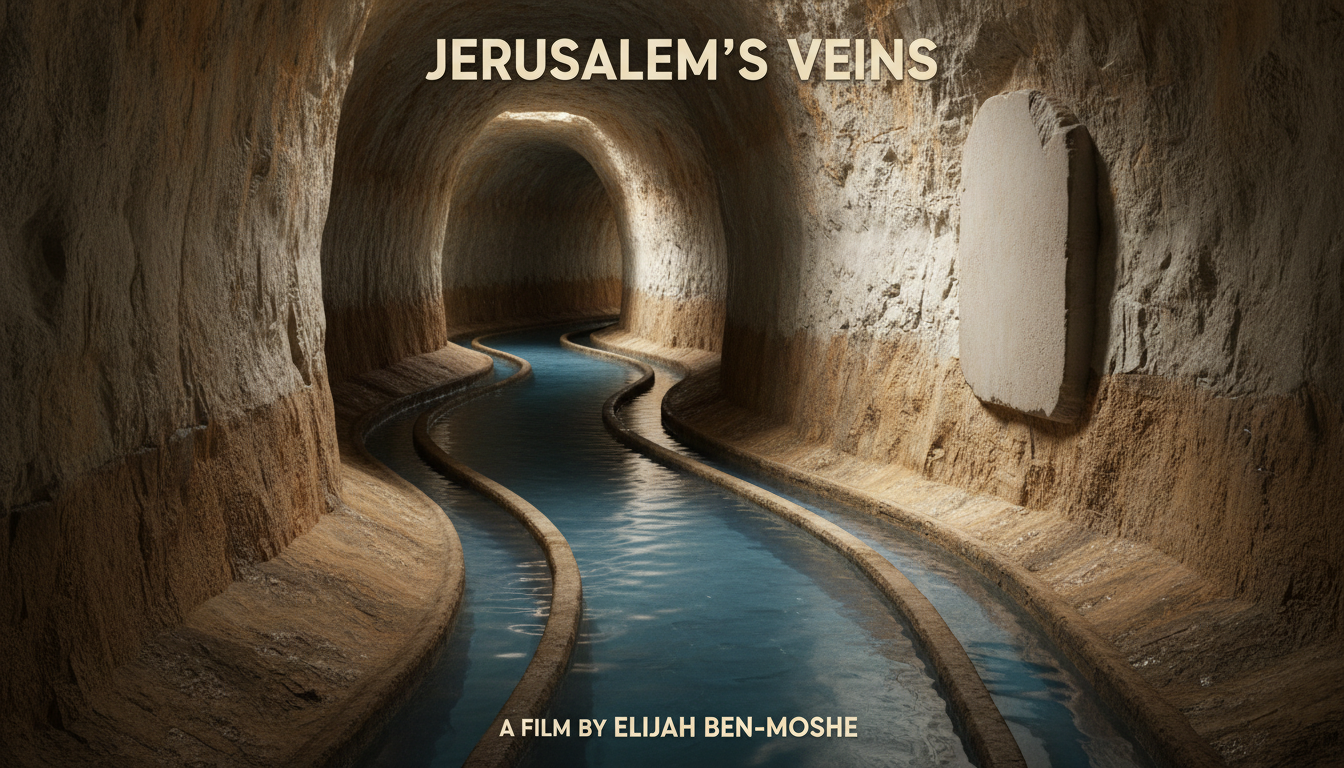
In 1880, inside the rock-cut water tunnel that still links Jerusalem’s Gihon Spring area to the Pool of Siloam, workers and scholars recorded a six-line inscription in paleo-Hebrew. The text does not name a king. It narrates an engineering climax: two crews cutting toward each other, hearing voices through the rock, then meeting pick against pick as the last wall fell and water could run. Within a few years the slab had been taken to the Ottoman imperial museum in Constantinople. It remains in the Istanbul Archaeology Museums under Turkish state custody, with a registration trail Turkish officials date to the early 1880s. Israeli leaders have repeatedly asked for return or loan. Ankara has repeatedly answered that the piece is lawful Ottoman-era museum property. This Archive file is documented. The tension is tunnel text plus museum paperwork plus repatriation politics—not a secret treaty novel.
The Tunnel Text
The Siloam / Hezekiah Tunnel is a cut through bedrock on the order of five hundred meters, engineered to bring spring water inside the city’s defensive envelope. Biblical historiography associates the project with Judah’s King Hezekiah in the late eighth century BCE, preparing for Assyrian threat. The inscription’s own words stay local and technical: axes, voices, the meeting in the middle, the water from the spring to the pool. Translations vary in wording; the narrative spine does not. For epigraphers it is one of the most important early Hebrew monumental texts surviving from Jerusalem.
Center for Online Judaic Studies text door: https://cojs.org/hezekiah-s_-or_siloam-_tunnel_inscription-_701_bce/.
Jewish Virtual Library text page: https://www.jewishvirtuallibrary.org/the-siloam-inscription.
Dating nuance exists in specialist literature—links to Hezekiah’s reign are strong in tradition and historical geography, while exact year arguments continue—but the object’s identity as a paleo-Hebrew tunnel commemorative text is not the fight. Custody is.
The tunnel itself remains walkable archaeology for those who enter with guides and permits: wet limestone, pick marks, a route that still explains why a commemorative text about meeting crews made sense on the wall. Nineteenth-century squeezes and early publications fixed the reading before modern politics fully weaponized the object. Documented filing separates three layers that speeches glue together: the epigraphic content, the Ottoman museum accession, and the twenty-first-century sovereignty argument over Jerusalem’s narrative.
Ottoman Transfer, Istanbul Registration
Jerusalem in the 1880s sat inside the Ottoman Empire. After discovery, the inscription was removed from the tunnel wall and transferred to the imperial collection that became today’s Istanbul Archaeology Museums—the museum world associated with Osman Hamdi Bey’s institutional founding era. Turkish museum officials, in later public statements about repatriation asks, cite an 1883 registration date and stress that the move happened decades before the State of Israel existed. The museums portal still presents the Archaeology Museums as a flagship state institution in Istanbul.
muze.gov.tr — Istanbul Archaeology Museums: https://muze.gov.tr/muze-detay?SectionId=IAR001&DistId=IAR.
muze.gen.tr — museum detail: https://muze.gen.tr/muze-detay/arkeoloji.
Gallery closures and storage rotations can take the stone off open display while restoration work proceeds; replicas and photographs circulate elsewhere. Custody of the original is not the same question as which vitrine is lit this season.
Jerusalem Politics of Return and Display
Israeli officials have treated the inscription as a premier Jewish archaeological witness to Jerusalem’s Iron Age water system—sometimes ranked, in political speech, just behind the Dead Sea Scrolls in symbolic weight. Requests for permanent return or temporary loan surface in diplomacy and press cycles, including high-level asks recalled from the late 1990s and reprises in later decades. Jerusalem display ecology answers partly with replicas and with interpretive pages that tell visitors the original is in Istanbul.
City of David Siloam Inscription page: https://cityofdavid.org.il/en/the-siloam-inscription-eng/.
Israel Antiquities Authority portal: https://www.antiquities.org.il/.
Turkish replies emphasize state property, Ottoman-period legality, and refusal to treat the tablet as a negotiable chip in contemporary Jerusalem claims. Documented filing records both capitals’ public postures. It does not invent a signed transfer that never left the negotiating table, and it does not erase the Palestinian neighborhood politics that surround Silwan / City of David tourism. The stone is epigraphy; the fight around it is also heritage diplomacy.
Later press cycles rehearsed loan rumors and hard refusals. Turkish officials have stated publicly that the piece remains in the national museum system. Israeli ceremonies at Silwan / City of David venues have used the inscription’s absence as a rhetorical prop. Neither performance rewrites the 1880s ledger. Diplomacy sits on top of documented custody; it does not replace it.
What the Paper Trail Settles
Settled for documentary purposes: a six-line paleo-Hebrew inscription from the Siloam Tunnel; a narrative of opposing work crews meeting mid-cut; Ottoman-era transfer into the Istanbul museum system with registration cited in the early 1880s; continuing Turkish custody; recurring Israeli return-or-loan requests and Turkish refusals; replica/display substitutes in Jerusalem. Still open as politics, not as object identity: whether any future loan, exchange, or display agreement will ever move the original. Still open as fine-grained scholarship: exact calendrical dating debates around the tunnel project. Those opens do not make the inscription a modern forgery or a missing object.
Discipline Without Sermon
Readers who want only a Turkish victory lap will flatten why Jerusalem’s tunnel and text matter to Hebrew epigraphy. Readers who want only an Israeli victory lap will flatten Ottoman museum law and the 1880s paper trail. The Archive holds the inscription’s words, the Istanbul custody doors, and the repatriation argument on one page. It refuses to pretend that a press conference creates a new accession ledger.
The tension that remains is text versus passport. Epigraphers read picks and voices in paleo-Hebrew. Ministries read registration dates and sovereignty. Siloam is that argument—read with Istanbul museum portals and the published tunnel text open, and with any “secret return deal” left unlabeled as fact until paperwork exists.