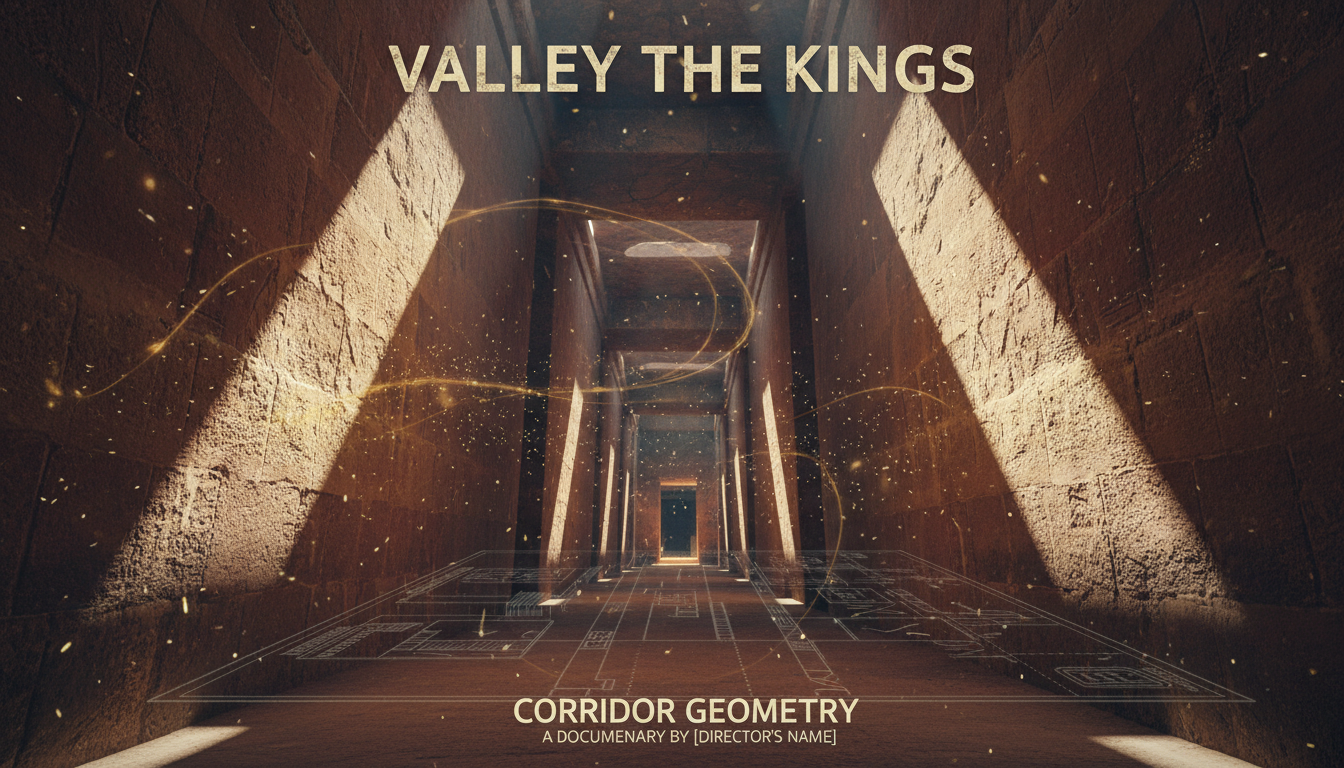
In the Valley of the Kings, a doorway once dismissed as a minor, debris-choked entry belongs to KV5—the tomb of sons of Ramesses II and, after late twentieth-century clearance, the largest tomb complex mapped in the royal necropolis. Kent R. Weeks and the Theban Mapping Project relocated the entrance in 1987 while assessing tourism and road impacts, then spent years clearing flood-hardened fill. By 1995 the project could announce corridors and chambers on a scale that made international headlines. This file is that Egyptological excavation record under Egyptian antiquities oversight—not a Hall of Records sequel or an alien vault beyond the survey lines.
From Burton’s Doorway to a Forgotten Fill
Nineteenth-century explorers, including James Burton, knew a tomb entrance in this part of the valley. What they could see suggested a handful of rooms. Flash floods repeatedly dumped sediment into the lower corridors; the debris set like concrete. For most of the twentieth century KV5 was a name on maps more than a cleared monument. The Theban Mapping Project’s interest was practical as well as scholarly: proposed parking and road works nearby risked vibration damage to unknown voids. Clearing to map was conservation triage before it became rediscovery theater. Tour buses idling above fragile ceilings later entered project lore as a modern insult layered on ancient flood damage—another reason measured plans beat treasure maps.
TMP KV 05 tomb page: https://thebanmappingproject.com/tombs/kv-05-sons-rameses-ii.
UNESCO Ancient Thebes with its Necropolis (List 87): https://whc.unesco.org/en/list/87/.
The Valley’s UNESCO frame reminds readers that KV5 sits inside a managed World Heritage necropolis, not a lawless dig-your-own-adventure. Egyptian authorities decide access; foreign missions publish under concession rules.
1987 Reopen, 1995 Scale
Using geophysics and excavation, TMP found the entrance again in 1987 after a short campaign. Crawling into accessible spaces showed that Burton’s six rooms were only the foyer to a much larger plan. Continued clearance through the early 1990s opened pillared halls and long corridors lined with side chambers. In 1995 Weeks’s team could say publicly that KV5 was the largest tomb yet found in the Valley of the Kings—eventually reported with well over a hundred chambers and corridors in project tallies, with clearance still incomplete. Ramesses II’s many sons supply a historical reason for expansion: as princes died, burial suites and ritual side rooms were added to a growing family mausoleum near the king’s own KV7. Scale tracks court demography and ritual need, not a hidden blueprint from the stars.
TMP rediscovery update: https://thebanmappingproject.com/updates/rediscovery-tomb-sons-rameses-ii-kv-5-theban-mapping-project-endeavor.
TMP clearing narrative: https://thebanmappingproject.com/about/clearing-kv-5.
Clearing remains slow because flood fill must be removed without collapsing weak bedrock pillars. Geotechnical monitoring and conservation engineering are part of the same project as epigraphy—another reason AUC Press volumes read like hybrid excavation-and-engineering reports.
Names, Canopics, Bones
Careful cleaning of damaged wall decoration recovered names of sons of Ramesses II. Fragments of four canopic jars from Chamber 2 flood debris confirmed and extended the list—Amunherkhepeshef, Rameses, Sethy, and Mery-Atum among the documented princes. Skeletal remains from a burial pit in the same chamber were studied by forensic anthropologists as probable or possible relatives of Ramesses II, with one set too fragmentary to judge. Pottery, ushabti fragments, beads, ostraca, and an Osiris statue piece populate the finds register. None of that assemblage requires extraterrestrial architects; it requires a Nineteenth Dynasty court that buried princes in expansion wings and then suffered robbery and flood. Opening-of-the-Mouth and other ritual scenes, where they survive, fit New Kingdom princely burial theology rather than occult tourism scripts.
Publication and Ministry Doors
The American University in Cairo Press preliminary report edited by Weeks—KV5—is the formal publication path for architecture, epigraphy, objects, geology, hydrology, and conservation engineering. TMP’s letter from Weeks situates the project’s permissions and long mission inside Egyptian antiquities governance. The Ministry of Tourism and Antiquities (and its predecessor names) remains the sovereign door; foreign projects dig on concession and publish under that oversight. UNESCO’s Theban Necropolis listing supplies the World Heritage frame for the valley that contains KV5, without turning every corridor into a separate WH property. Funding gaps and pandemic interruptions delayed seasons; the project’s own updates treat those delays as logistics, not as suppressed revelations.
AUC Press KV5: https://aucpress.com/9789774249518/.
TMP letter from Weeks: https://thebanmappingproject.com/updates/letter-dr-kent-weeks.
Against Occult Extensions
Valley folklore loves forbidden halls beneath Giza and infinite tunnels under Thebes. KV5’s real complexity feeds that appetite if readers skip the debris story. Flash floods, looting, tourist-bus vibration lore, and fragile bedrock are the conservation antagonists TMP actually fights. Chamber counts grow when excavators remove fill and survey new openings—not when television invents unmapped ET archives. Sibling files on ScanPyramids or builder-race mythology can absorb maximal claims; this page answers with TMP plans. A family mausoleum for Ramesses II’s sons is already extraordinary without adding star visitors.
What Documented Settles
Settled for documentary purposes: KV5 as a Ramesside family tomb in the Valley of the Kings; Weeks/TMP relocation of the entrance in 1987; mid-1990s announcement of unprecedented scale; named sons on walls and canopics; AUC Press preliminary report; ongoing clearance under Egyptian antiquities authority within the UNESCO Theban landscape. Still open as normal Egyptology: final chamber count after full clearance, exact sequence of suite additions, and fuller osteological publication. Those open questions do not reopen alien vaults past the survey lines. KV5 is a mapped sons-of-Ramesses mausoleum—read with TMP, AUC Press, and UNESCO Thebes doors open, and with Hall-of-Records fanfic left in the wadi outside the gate.