In Sumerian texts the Anunna are high gods who decide the fates. In some later poems they judge the underworld. In The 12th Planet, published in 1976, Zecharia Sitchin recast them as astronauts from a planet called Nibiru. Michael Heiser answered that no cuneiform text says so. This page sets out the tablet career of the name, Sitchin's published claim, and Heiser's reply, in the sources that state them.
What the name means
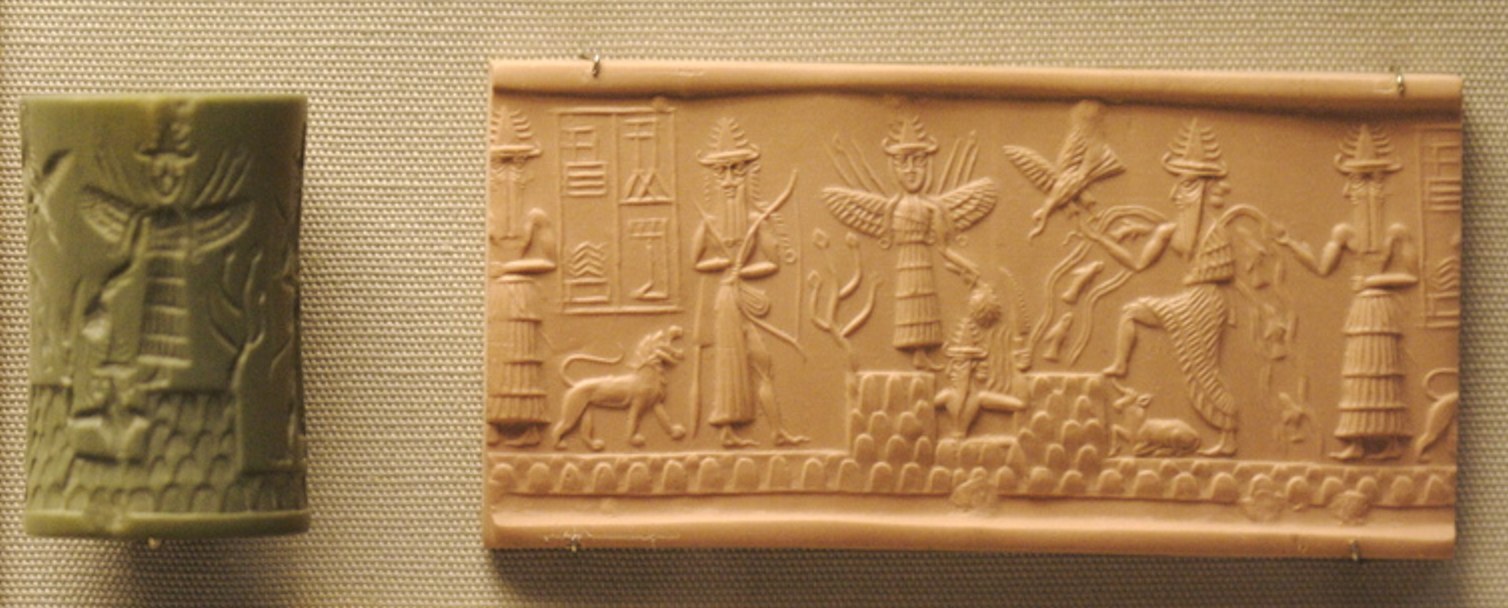
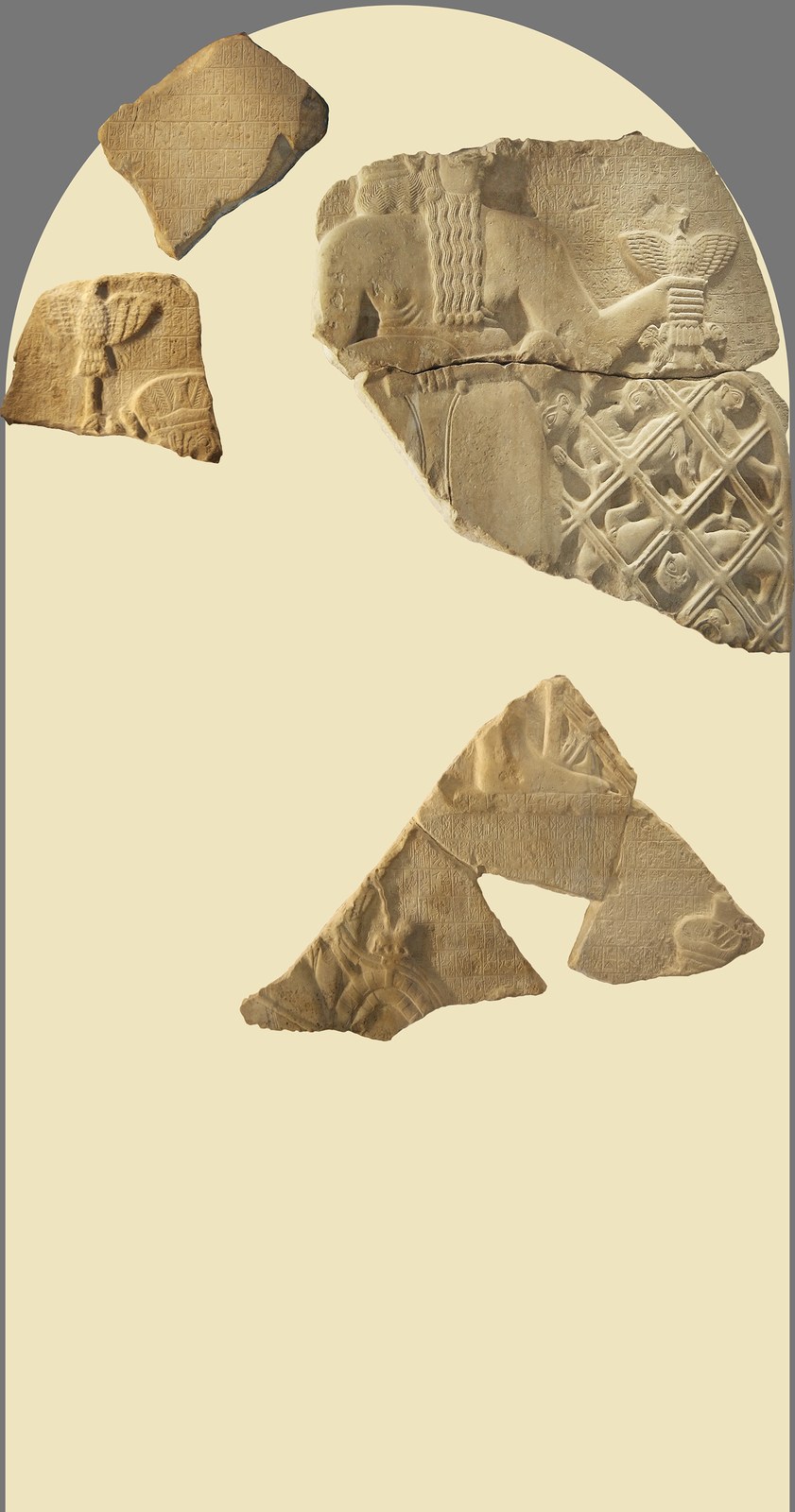
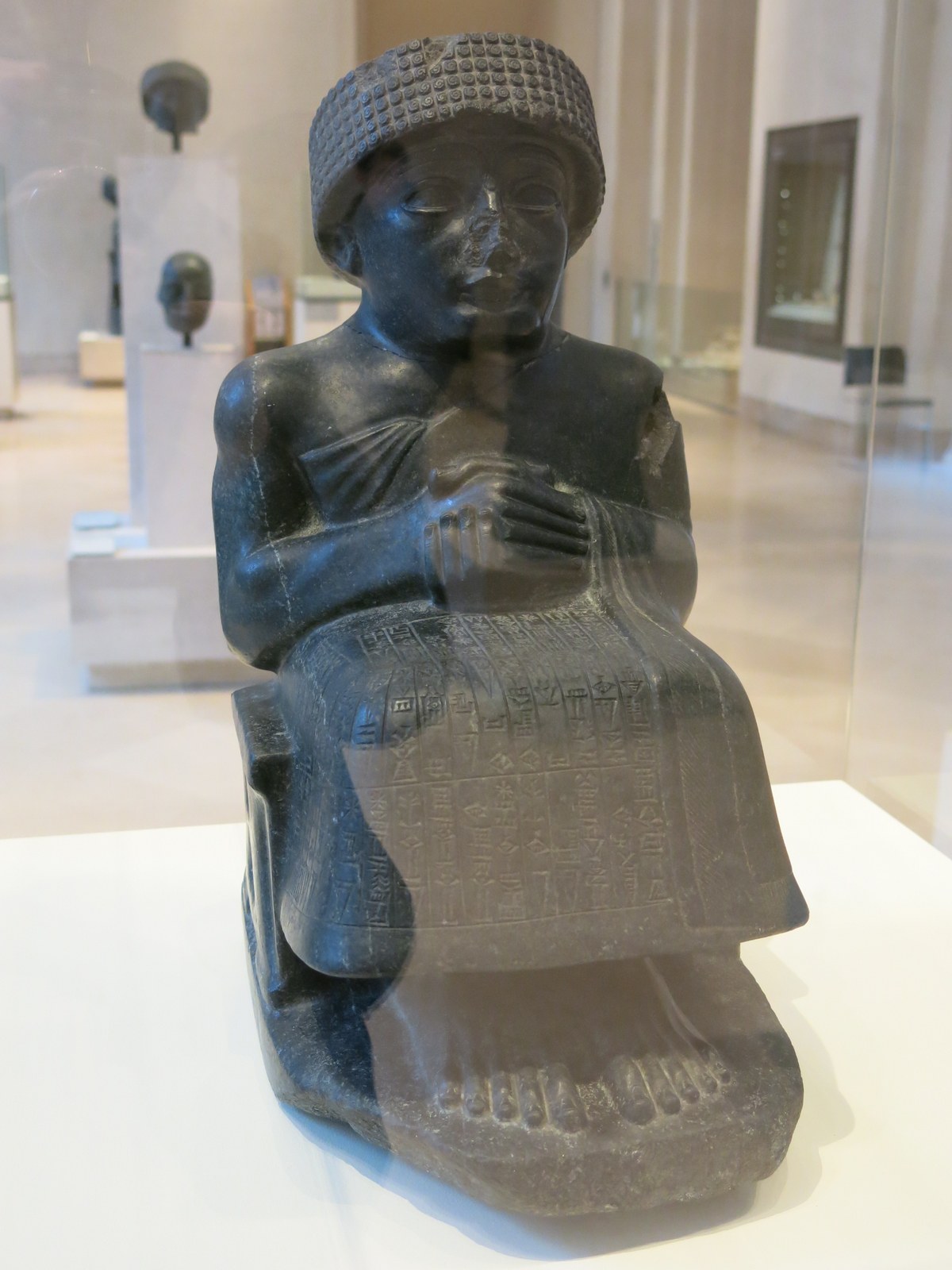
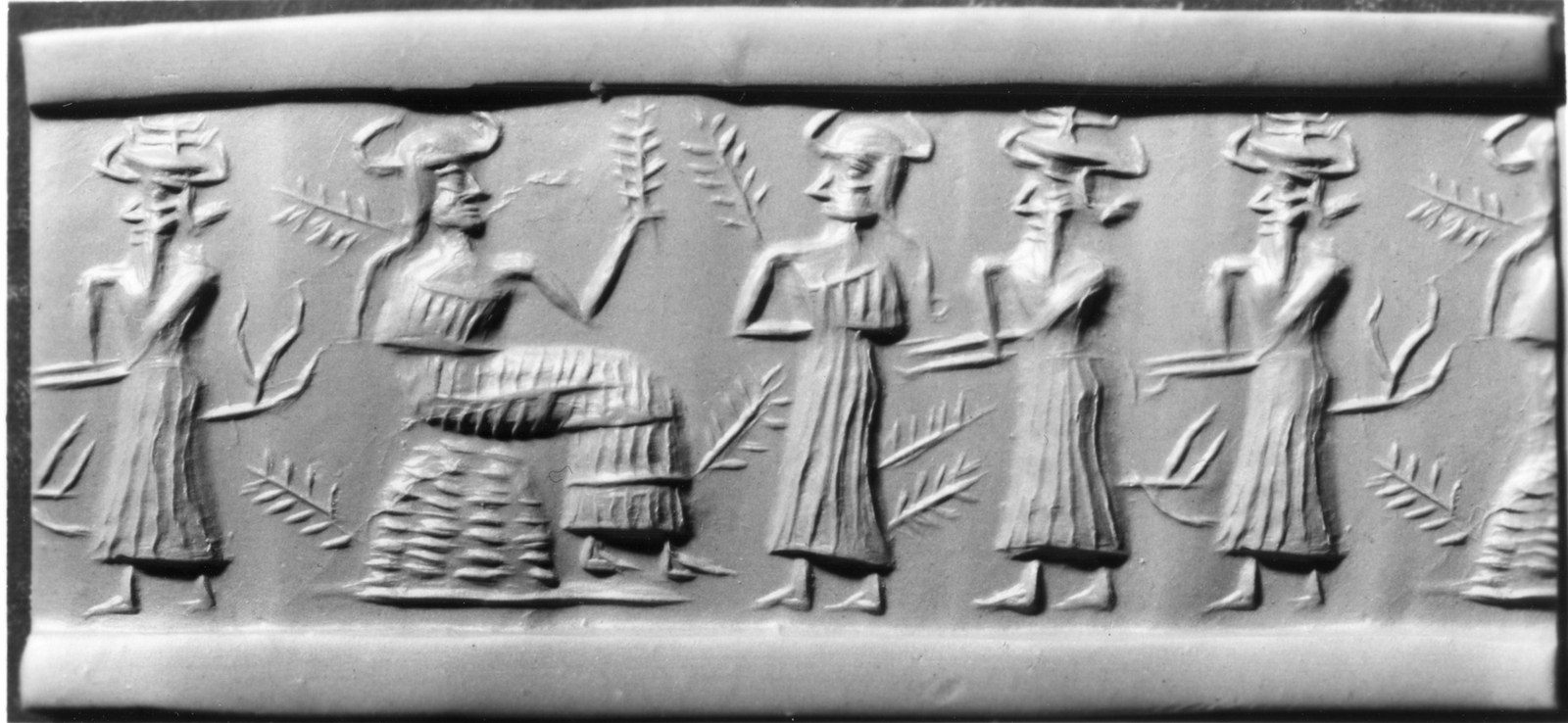
Nicole Brisch, writing for Ancient Mesopotamian Gods and Goddesses, says that in the Sumerian corpus the Anunna (Akkadian Anunnaki, Anunnaku) are the highest gods, or the pantheon of one city, "the fifty Anunna of Eridu." One main function is to decide the fates. The name most likely means something like "Those of princely seed." It first appears in the Post-Akkadian period, in the inscriptions of Gudea, and runs to the Seleucid period. After the Old Babylonian period it names the gods of the netherworld, set against the Igigi, and Brisch notes some confusion over the terms already in antiquity. There are no known depictions of the Anunna as a group.
Source: Nicole Brisch, "Anunna (Anunnaku, Anunnaki) (a group of gods)," Ancient Mesopotamian Gods and Goddesses, Oracc and the UK Higher Education Academy, 2019: http://oracc.museum.upenn.edu/amgg/listofdeities/anunna/
The underworld judges
In Inana's Descent, Inana abandons heaven and earth and descends to the underworld; with her clothes removed, she unseats her sister Ereshkigal from the throne. "The Anuna, the seven judges, rendered their decision against her." Later the Anuna seize her as she tries to ascend and demand a substitute. Only some texts give the Anunnaki this underworld role.
Source: "Inana's descent to the nether world," Electronic Text Corpus of Sumerian Literature (ETCSL 1.4.1), University of Oxford: https://etcsl.orinst.ox.ac.uk/section1/tr141.htm
The gods' labour
Atrahasis, in Stephanie Dalley's translation, opens: "When the gods instead of man / Did the work, bore the loads... The great Anunnaki made the Igigi / Carry the workload sevenfold." The Igigi dig out the Tigris and Euphrates and then surround Ellil's house in revolt. The poem runs on to the Flood ("How we sent the Flood. But a man survived the catastrophe"). The colophon names the scribe Ipiq-Aya.
Source: "Atrahasis," composite English translation by Stephanie Dalley (Myths from Mesopotamia, Oxford University Press, 1989), OMNIKA Library: https://omnika.org/texts/66
Heaven and below
Enuma Elish is a Babylonian poem in seven tablets on Marduk's battle with Tiamat. W. G. Lambert, in Babylonian Creation Myths (Eisenbrauns, 2013), Tablet VI, lines 39 to 44, has Marduk divide the Anunnaki into upper and lower groups, assign three hundred in the heavens to guard the decrees of Anu, organize the netherworld, and station six hundred gods in heaven and netherworld. Lambert's commentary states: "300 are assigned as guards in heaven, and 300 in the underworld, a total of 600." Lambert discusses Marduk's exaltation in connection with Nebuchadnezzar I, and records a ritual in which a priest recites the poem to Bel from beginning to end, with the caution that there is no evidence the author wrote it with that recital in mind.
Source: W. G. Lambert, Babylonian Creation Myths (Winona Lake, Indiana: Eisenbrauns, 2013), Tablet VI, lines 39 to 44: https://archive.org/details/babyloniancreati0000unse
Sitchin's reading
Zecharia Sitchin's The 12th Planet was published by Stein and Day in 1976, in 384 pages, as Book 1 of the Earth Chronicles. Chapter titles include "The Nefilim: People of the Fiery Rockets," "The Twelfth Planet," "Mutiny of the Anunnaki" and "The Creation of Man." The publisher's description says the book "offers indisputable documentary evidence of the existence of the mysterious planet of Nibiru and tells why its astronauts came to Earth eons ago to fashion mankind in their image." Every line of this is Sitchin's claim, as presented by that edition's contents and publisher description.
Source: Zecharia Sitchin, The 12th Planet (New York: Stein and Day, 1976), Open Library record: https://openlibrary.org/works/OL3456752W/The_12th_Planet?edition=ia%3A12thplanet00sitc
The scholarly response
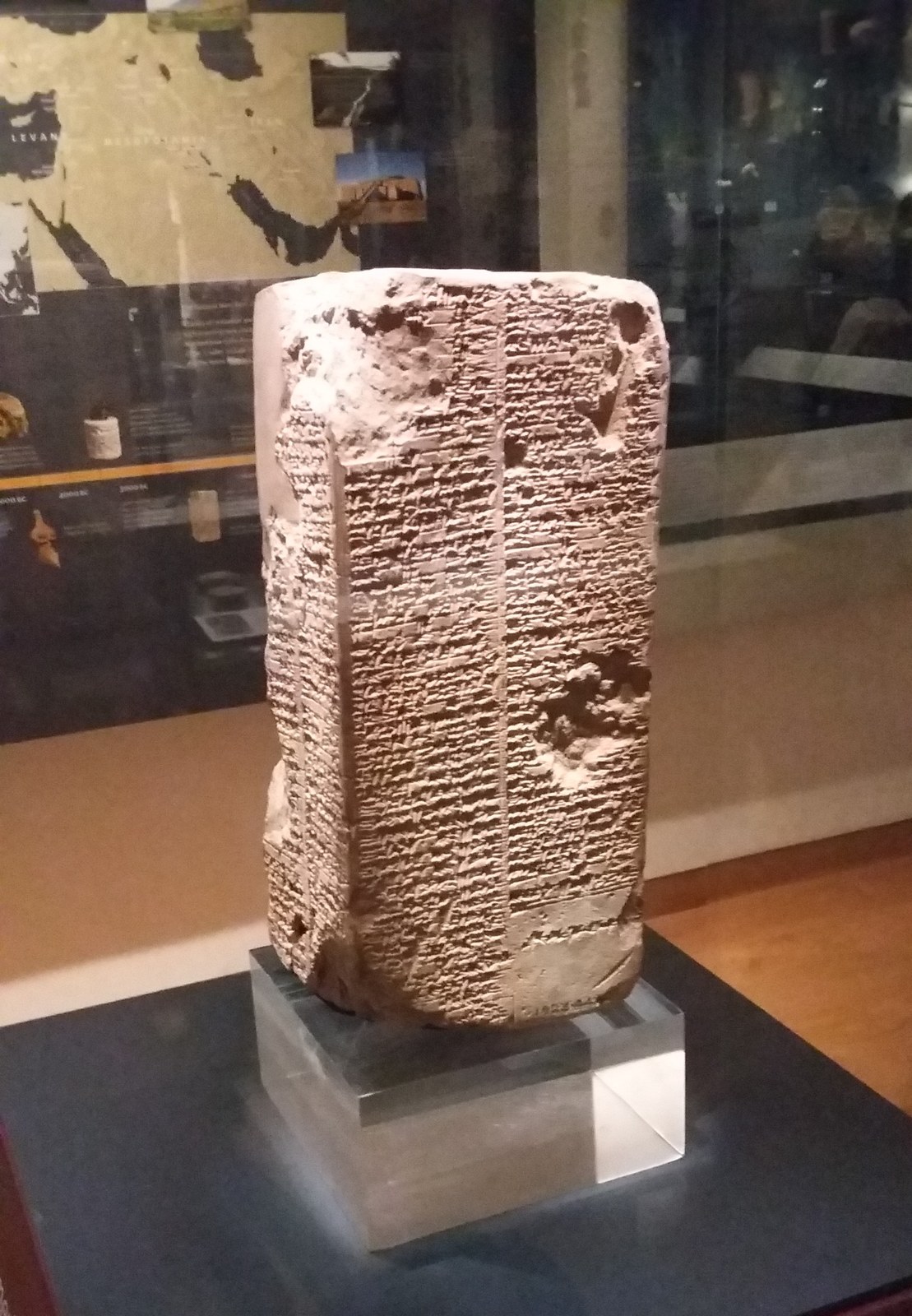
Michael S. Heiser, writing as a scholar of Hebrew and Semitic studies, says the ideas that the Sumerians knew twelve planets, that the Anunnaki were space travellers and that Nibiru was a twelfth planet "don't exist in any cuneiform text at all." He points readers to the Electronic Text Corpus of Sumerian Literature, where he counts 182 occurrences of the divine name, and challenges Sitchin's readers to produce one text linking the Anunnaki to Nibiru. Adherents of Sitchin hold that his reading recovers the tablets' meaning.
Source: Michael S. Heiser, "Open Letter" and "The Anunnaki," SitchinIsWrong.com: https://www.sitchiniswrong.com/letter/letter.htm
What stays contested
The tablets exist, and the name moves in them from high gods who decide the fates to, in some later texts, judges of the underworld. Sitchin recast the Anunnaki as astronauts from Nibiru. Heiser answered that no cuneiform text says so. Adherents say Sitchin read the tablets right. Who the Anunnaki were remains the open question.