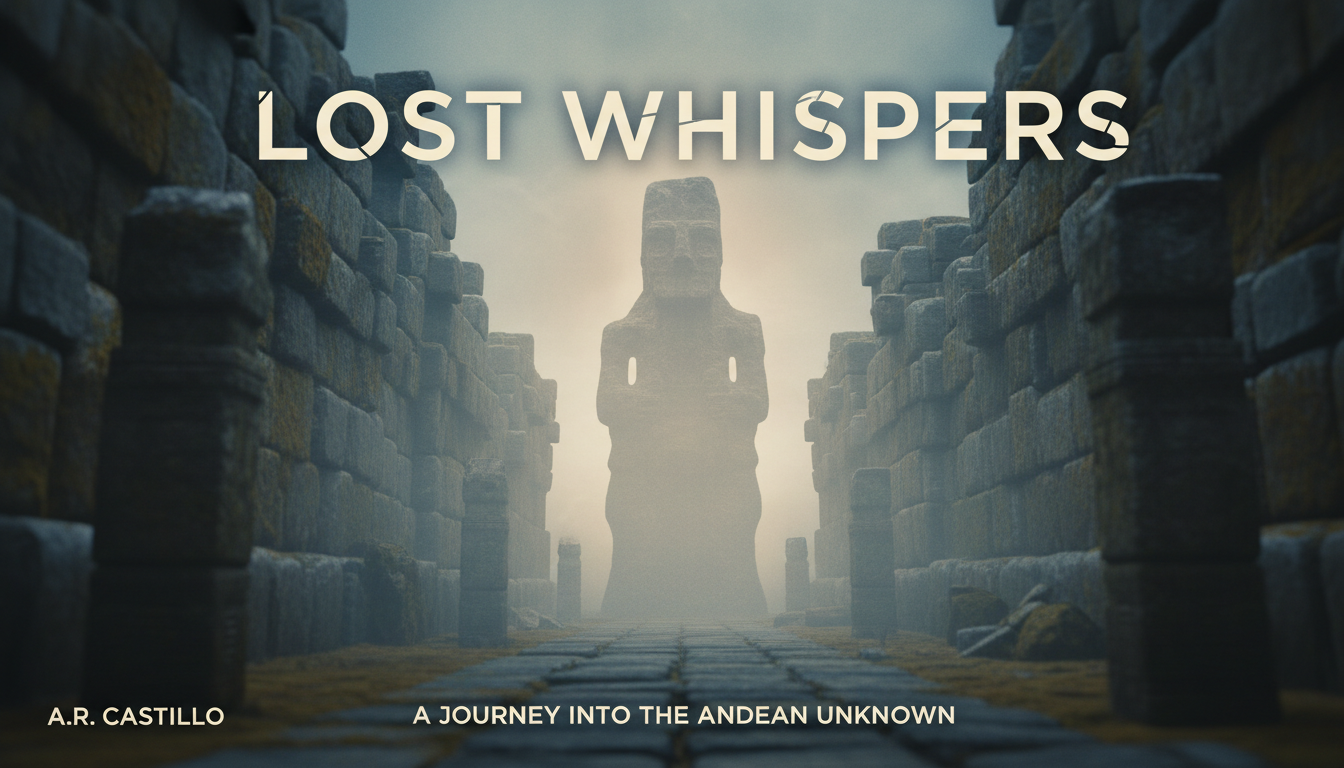
High in Peru’s Ancash department, at Chavín de Huántar, a granite shaft known as the Lanzón still stands inside a cruciform gallery. UNESCO inscribed the archaeological site in 1985 as an exceptional Early Horizon ceremonial center. Tourist mystique and New Age contact lore arrived later. The Archive tension is the gap between a World Heritage pilgrimage architecture file—galleries, canals, dressed stone, zoomorphic relief—and the serpent-god “global hub” captions that never appear in the Outstanding Universal Value text.
Highland Center, Not a Line on a Map
Chavín sits in a high valley of the Peruvian Andes, in Huari province. Standard Andean syntheses treat it as a Formative / Early Horizon ceremonial and pilgrimage center that drew people across coastal and highland corridors. Terraces and plazas, cut-stone buildings, and a maze of internal galleries give the place its striking appearance. The Lanzón—anthropomorphic, fanged, staff-bearing in the usual iconographic reading—is the cult image fixed in the gallery cross.
Smarthistory’s open essay and UNESCO’s listing page keep that geography and architecture in institutional language.
UNESCO List 330: https://whc.unesco.org/en/list/330/.
Smarthistory Chavín: https://smarthistory.org/chavin-de-huantar/.
Official Posture: Criterion (iii), 1985
The World Heritage Committee inscribed Chavín in 1985 (Decision 9 COM X.A) under cultural criterion (iii). The Centre’s description stresses early pre-Columbian architectural and symbolic creation, internal galleries, and a cult that spread widely across the Andes. That is pilgrimage-and-ideology language, not paleocontact language.
UNESCO inscription decision: https://whc.unesco.org/en/decisions/3856/.
Official posture is conservation of a fragile highland ceremonial core. State-of-conservation reports in the documents hub show recurrent concern about structure, water, and management—boring paperwork that matters more than viral gallery myths.
UNESCO documents hub: https://whc.unesco.org/en/list/330/documents/.
Galleries, Canals, and Measured Sound
What makes Chavín Archive-relevant is not “mystery corridors.” It is that the corridors have been mapped, and that sound has been treated as archaeological evidence rather than mystic branding. Stanford teams under John Rick mapped exterior architecture and gallery systems across fieldwork seasons. The CCRMA Chavín Archaeological Acoustics Project, working under Peru’s authorized research-and-conservation program (PIACCdH), studies gallery acoustics, Strombus pututu (conch) trumpets, and the relationship between architecture and ritual sound.
Stanford Rick project page: https://web.stanford.edu/~johnrick/chavin_wrap/chavin/project.html.
CCRMA acoustics project: https://ccrma.stanford.edu/groups/chavin/.
That work does not prove a global contact religion. It documents how a highland cult center could overwhelm visitors with darkness, carved faces, water sound, and shell trumpets—engineering of experience, not proof of non-human overlords.
Why Folklore Gloms On
Labyrinthine galleries photograph like conspiracy sets. Tenon heads and feline-human hybrids invite serpent-priesthood captions. Coastal Formative neighbors such as Cerro Sechín share fierce iconography that fringe writers collapse into one pan-Andean contact story. The WH and university packets refuse that collapse. They keep Chavín as an Andean ceremonial node with measurable architecture and a long Peruvian research tradition.
The managed story is heritage tourism plus specialist archaeology. The adherent tension is how quickly gallery darkness becomes “initiation machine from elsewhere” when the pututu research is ignored.
Archive Siblings
Lord of Sipán is the later coastal Moche royal-tomb sibling—gold salvage from looters, not gallery acoustics. Caral-Supe is the earlier coastal monumental neighbor. Nazca geoglyph folklore is a contrast file, not a merge. Keep Chavín on Lanzón, galleries, and WH criterion language.
Myth Discipline
Reject “Chavín = stargate / global serpent contact hub” as settled fact. The Lanzón exists. The galleries exist. UNESCO status is documented. Acoustic and mapping projects are documented. Literal extraterrestrial authorship is fringe relative to Andean archaeology. Stick to the packets.
Conservation Politics on a Fragile Highlands Site
UNESCO documents for List 330 are full of state-of-conservation notes: water, structure, management plans. That paperwork is the opposite of mystic gallery branding. It shows a highland ceremonial core that can fail physically if tourism and drainage are mishandled. Acoustic research and theodolite mapping sit inside that authorized research-and-conservation frame (PIACCdH), not outside it. When fringe captions treat every closed gallery as a hidden initiation machine, they skip the boring truth: stones crack, canals clog, and World Heritage files track both. The Archive voltage is how quickly conservation opacity becomes contact mythology when the CCRMA and Rick project pages are left unread.
Lanzón as Image Politics
The Lanzón’s fanged, staff-bearing anthropomorphism is exactly the kind of image fringe writers recruit into pan-American serpent cults. Specialist readings keep it inside Andean Formative religion: a fixed axis of cult space, approached through galleries that stage sensory overload. Smarthistory and UNESCO criterion (iii) language emphasize architectural and symbolic creation, not off-world engineering. Caption politics matter because the same granite shaft can advertise either a highland pilgrimage masterpiece or a contact beacon, depending on which packet the reader opens first.
Reading the WH OUV Against the Meme
Outstanding Universal Value text for Chavín stresses early pre-Columbian architectural and symbolic creation and Andean cult convergence. Memes stress labyrinth panic and feline faces. Those are not equal evidence classes. The Archive page leads with UNESCO List 330, the 1985 inscription decision, Stanford mapping, and CCRMA acoustics—then notes how quickly gallery darkness recruits contact lore. Documentary voice does not need to scold the reader; the packet contrast does the work.
What the Paper Trail Settles
Settled: Chavín de Huántar as Early Horizon ceremonial center; Lanzón in cruciform gallery; UNESCO List 330 inscribed 1985; Stanford mapping and CCRMA acoustics fieldwork under Peruvian authorization; ongoing conservation paperwork. Overclaim to refuse: paleocontact priesthood and unsourced claims that WH managers are hiding gallery “technology.”
The tension that remains is interpretive voltage. Officials describe a pilgrimage architecture masterpiece. Fringe captions hear a contact beacon. The measured middle—stone, water, shell trumpets, and a granite shaft in a cross-shaped room—is already strange enough when the UNESCO and Stanford doors stay open.