Operation Midnight Climax
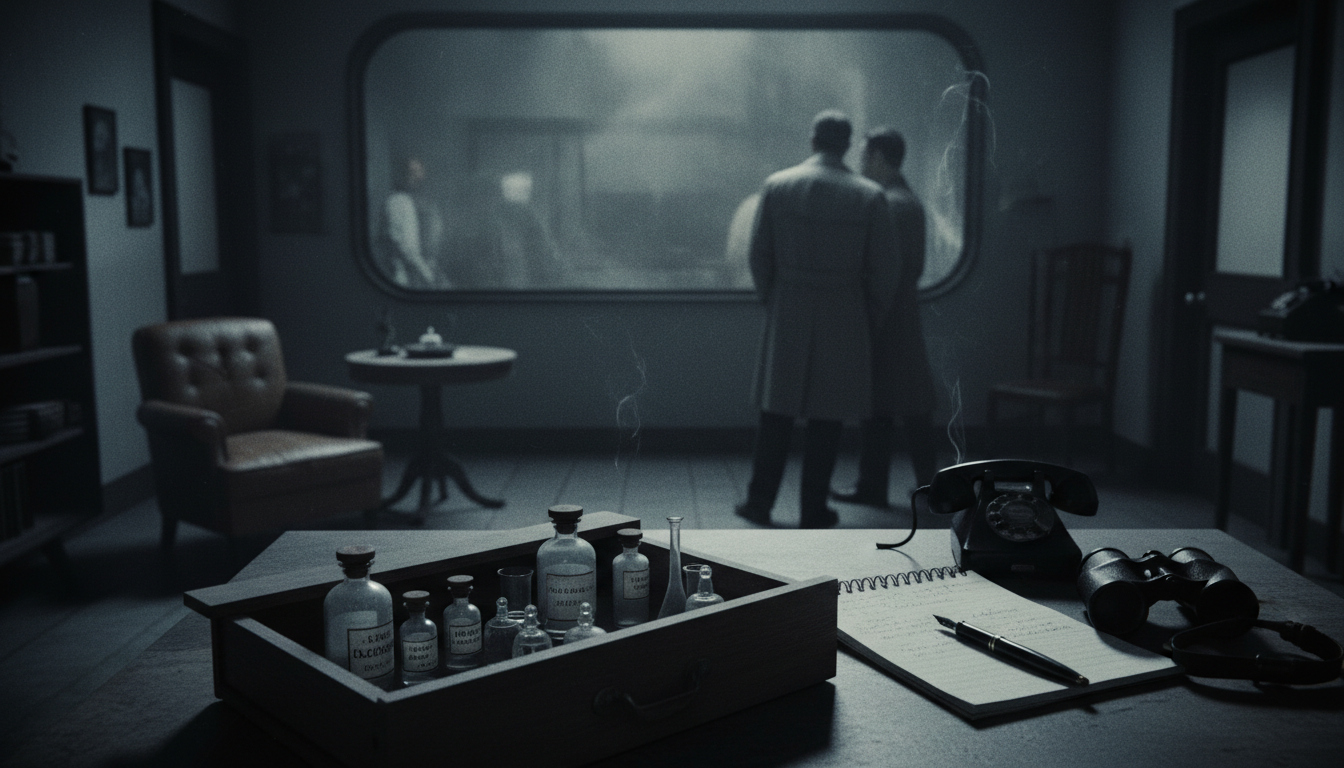
George Hunter White was a federal narcotics officer with a theatrical streak and a CIA budget line. In San Francisco, that combination produced safehouses where the Cold War's behavioral lab spilled onto Telegraph Hill and beyond. Men were brought upstairs. LSD went into drinks. Watchers sat behind glass.
Journalists and congressional investigators later called the pattern Operation Midnight Climax—a public label for MKUltra subproject work that treated unwitting civilians as instruments.
Safehouses, Not Seminars
The operational sketch is consistent across FOIA shards, IG commentary, and later reporting. CIA money moved through cutouts. White and associates used sex workers to lure targets. Drugs—especially LSD—were administered without meaningful consent. Observers recorded behavior, searching for interrogation aids, sexual leverage, or simply pharmacological effects in "real" settings rather than clinics.
New York activity appears in the same family of subprojects. The geography mattered less than the ethics: the Agency was dosing people who had not volunteered for a classified experiment.
The IG Flag
By 1963, the CIA's own Inspector General report on MKUltra-era practices identified surreptitious dosing of unwitting subjects as indefensible. That critique did not require conspiracy podcasts. It came from inside the building. Senate hearings in the 1970s then put Gottlieb, Helms-era file destruction, and the Olson case into the same public frame as the safehouse work.
Midnight Climax is therefore not an outlier rumor attached to MKUltra. It is one of the concrete operational shapes the umbrella took—closer to a vice-squad stage set than to a university psych ward, and all the more damning for that reason.
What Fringe Add-Ons Miss
Later retellings sometimes inflate Midnight Climax into a permanent national network of rape-and-blackmail theaters still running under new cryptonyms. The documentary spine does not carry that continuation claim. What it carries is ugly enough: state-sponsored nonconsensual dosing, sexualized surveillance, and a research culture that treated strangers as disposable sensors.
Compare the consent failure here with other Archive entries on nonconsensual exposure (biological aerosol tests, medical study scandals). The through-line is institutional entitlement, not a single cartoon villain.
Paper Versus Myth
Midnight Climax earns its Archive slot because IG language, Senate hearings, FOIA, and investigative reporting converge on the safehouse model. The name may be neater than the filing system. The abuse is not in dispute among serious researchers of MKUltra. Readers chasing sequel programs should demand sequel documents—not recycle White's San Francisco rooms as proof of forever.
Why Safehouses Scandalize Differently
University hospital experiments can hide behind white coats. Midnight Climax hid behind johns and two-way mirrors. That aesthetic difference matters for public memory: it made the program legible as vice plus science fiction, which is why it travels so well in retellings. The IG language remains the adult document—surreptitious dosing of unwitting persons as abuse.
George White's own diaries and later interviews (filtered through journalists and FOIA) add color that historians handle cautiously. Color is not a substitute for subproject numbers, but it explains why this MKUltra limb outgrew others in popular culture.
Sea-Spray's outdoor bacterial releases show another civilian-exposure logic. Midnight Climax personalized the exposure inside a rented room. Both teach the same institutional lesson about consent.