Church Rock Uranium Mill Spill (16 July 1979)
Early on 16 July 1979, a United Nuclear Corporation tailings dam at the Church Rock mill in New Mexico failed. Official summaries stressed comparatively low documented human doses, cleanup of solids along the arroyo, and modeled exposures within guidelines. NRC, EPA, and New Mexico Environmental Improvement Division paperwork describe something larger by volume than the dose language admits: roughly 94 to 100 million gallons of acidic radioactive mill liquor and about 1,100 tons of solids—the largest U.S. release of uranium-mill liquid by volume—poured into Pipeline Arroyo and the Rio Puerco through Navajo Nation lands toward Arizona. The same year, Three Mile Island absorbed national attention. Church Rock’s tribal exposure politics stayed a local and regulatory file for decades.
The Breach on the Puerco
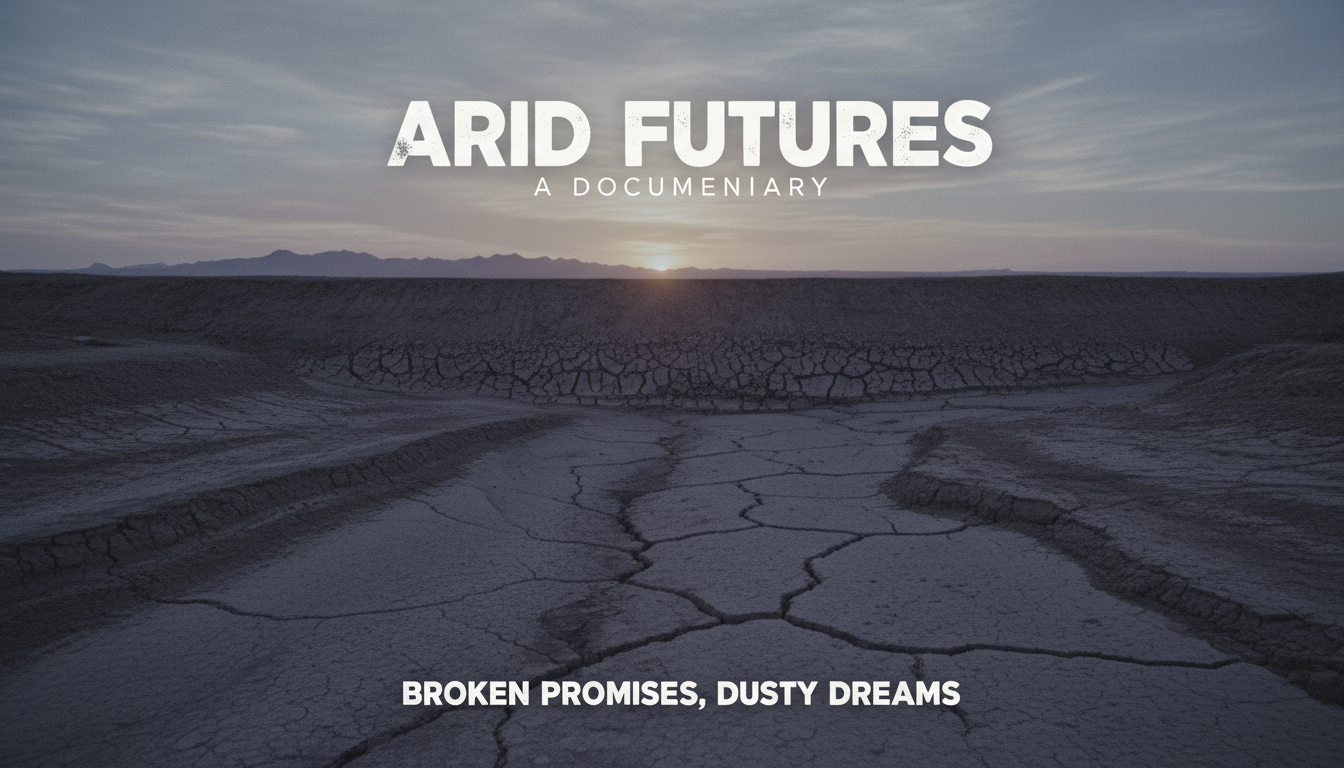
The south tailings dam failed. Acidic liquor and solids entered Pipeline Arroyo, then the Rio Puerco past Gallup into Arizona. Caption-ready geography: earthen dam scar, arroyo channel, Navajo Nation downstream path. Volume language should stay with agency ranges—about 94 million gallons liquid and about 1,100 tons solids in the NMEID/EPA summary packets; some NRC letters round near 100 million—rather than press slogans.
UNC’s mill shut briefly, then ran under interim orders. That operational restart is part of the managed-story problem, not proof that nothing serious happened.
Official Posture: Limited Dose
NMEID, NRC, and CDC summary packets frame human doses as comparatively low, note limited further CDC action, and place modeled doses within guidelines. Solids were partly caught by emergency catchment. Cleanup of high thorium-230 sediments proceeded along roughly eight miles of the arroyo. That is the official “contained industrial accident” posture.
Read it beside the volume superlative the same agencies record. Read it beside the agency finding that chronic mine-dewatering discharges into the Puerco may pose a greater long-term hazard than the single spill. That sentence is in the EPA SEMS health and environmental assessment summary—not an activist pamphlet.
What the Paperwork Shows
NRC information notice ML19291C516 analyzes why the embankment failed: differential settlement on collapsible alluvial soils, reduced beach width, pore-pressure and internal-erosion factors. It is the regulatory door for cause.
NRC PDF: https://www.nrc.gov/docs/ML1929/ML19291C516.pdf.
EPA SEMS hosts the Church Rock Uranium Mill Tailings Spill health and environmental assessment summary—NMEID-era text in the Superfund archive—covering the ~94 million gallon / ~1,100 ton release, monitoring, CDC human-testing notes, and the mine-dewatering long-term-hazard finding: https://semspub.epa.gov/work/06/1000720.pdf.
The related biological assessment in SEMS documents livestock, sediment, and community-exposure concerns with CDC, IHS, EPA, NRC, and Navajo Nation notification pathways on the record: https://semspub.epa.gov/work/06/1000485.pdf.
Why the Story Stayed Managed
No presidential disaster declaration. Agreement-State and tribal jurisdiction tangled response and messaging. Three Mile Island’s same-year media monopoly left Church Rock in a “local industrial accident” frame while Diné downstream users of the Puerco for livestock and living water absorbed the plume. Superfund listing in 1983 and multi-decade groundwater work proceeded quietly relative to the national nuclear-accident narrative of 1979.
The tension adherents read here is not a federal cover-up of mass casualties the CDC/NMEID packets do not support. It is environmental injustice, regulatory minimization, and media neglect—evidenced in the volume numbers, the jurisdictional tangle, and the longevity of the cleanup file—while dose language stayed small.
Agreement-State notice traffic and Superfund five-year reviews are slower instruments than a presidential disaster frame. That speed difference is part of why Church Rock reads, to adherents, like a spill the country was allowed to forget while TMI became the 1979 nuclear story. The packets do not require a cartoon villain to make that asymmetry real.
Superfund Longevity and Tribal Stakes
The United Nuclear Corporation mill site (EPA ID NMD030443303) remains an NPL Superfund portal: five-year reviews, groundwater corrective-action reports, administrative record. Spill day became a multi-decade federal cleanup file.
EPA Superfund site profile: https://cumulis.epa.gov/supercpad/SiteProfiles/index.cfm?fuseaction=second.docdata&id=0600819.
Northeast Church Rock Mine and the UNC Mill are a linked mine-waste and mill complex. A modern Department of Justice / EPA consent-decree cleanup moves roughly a million cubic yards of uranium mine waste to an engineered repository at the mill site on or near Navajo Nation lands—$63 million in the DOJ announcement. That is cleanup-politics sequel, not a closed 1979 dam story.
DOJ release: https://www.justice.gov/opa/pr/united-nuclear-corporation-and-general-electric-perform-63m-cleanup-uranium-mine-waste.
Navajo Nation / Diné framing belongs as documented host-community stakes. Kerr-McGee / Silkwood and Hanford sit as worker-safety and federal waste-inventory neighbors without cloning those pages here.
Myth and Comparison Discipline
Reject unsourced “worse than Chernobyl” or “worse than TMI” slogans unless a primary quantifies the metric. Church Rock’s settled superlative in this file is U.S. uranium-mill liquid volume. Keep Navajo health politics labeled contested long-tail epidemiology where agency packets say exposures cannot be cleanly separated from chronic mine-water discharges. Do not erase the mine-dewatering pathway the agencies themselves flag.
What the Paper Trail Settles
Settled on the documents: 16 July 1979 UNC Church Rock dam failure; ~94–100 million gallons acidic liquor and ~1,100 tons solids into Pipeline Arroyo / Rio Puerco; NRC failure analysis; EPA SEMS health and biological assessments; Superfund NPL longevity; modern UNC/GE Northeast Church Rock cleanup decree. Overclaim to refuse: invented mass-casualty cover-up, viral Chernobyl comparisons, and erasing chronic mine-dewatering as a co-equal long-term pathway.
The tension that remains is the one the packets leave open. Officials said limited dose and contained cleanup. The same record shows the largest U.S. uranium-mill liquid release by volume across Navajo lands in the year TMI owned the cameras—and a Superfund file that still is not finished. Church Rock is that gap—read with the NRC and EPA doors open.