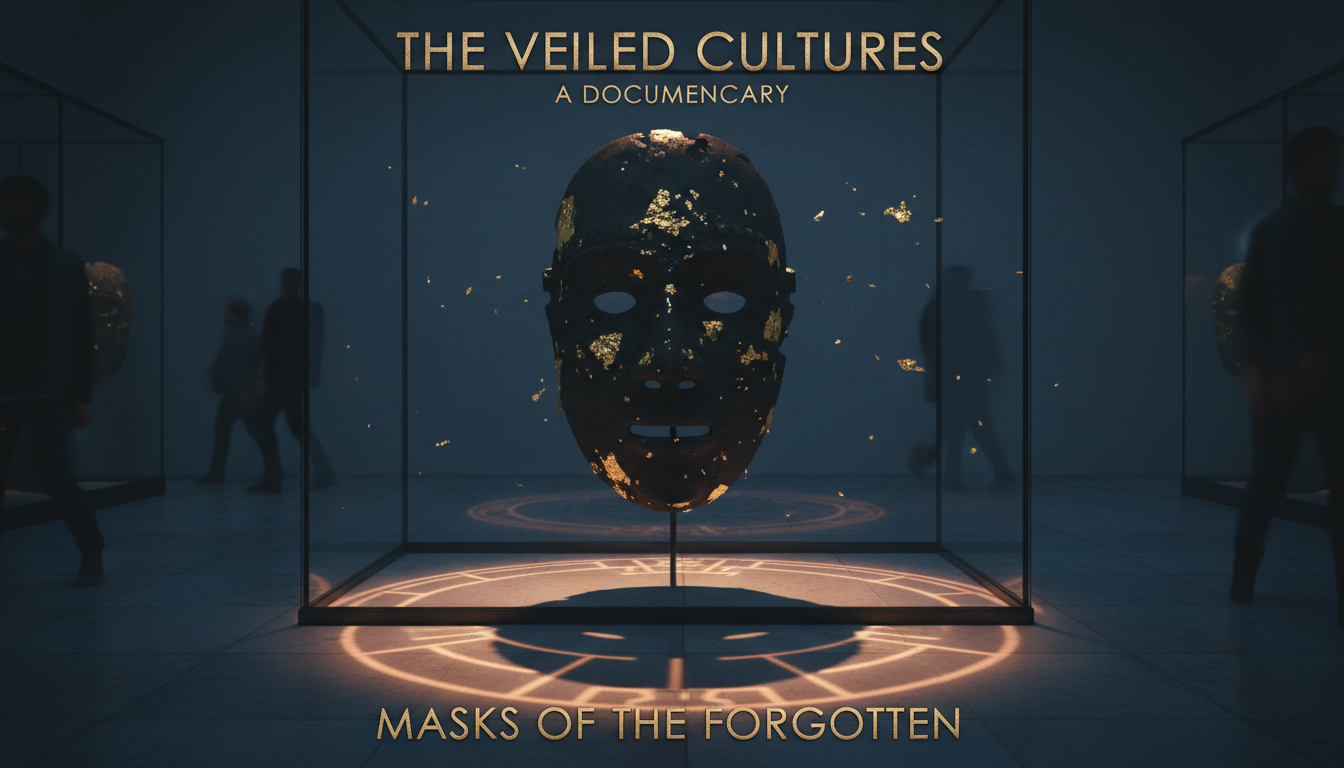
Sanxingdui Sacrificial Bronze Pits
Near Guanghan in Sichuan, diggers opened pits that looked wrong for anyone raised only on Central Plains Shang bronzes. Oversized masks. Gold foil faces. Ivory. Jade. Trees of bronze. The site is Sanxingdui. The pits are sacrificial deposits, not crashed saucers.
1986 and the 2020s Wave
Pits 1 and 2, found in 1986, reset expectations for Bronze Age Sichuan. A 2020–22 excavation wave opened additional pits and produced fresh gold-mask headlines. Antiquity's 2022 piece on new Sanxingdui discoveries frames ritual deposition with excavation controls. CNN's accessible gold-mask reportage maps public shock without replacing the journal record.
Silk residues and sacrificial-context studies in specialist literature argue ritual burning and structured discard—not random hoards dumped by fleeing aliens.
Visual Otherness, Not ET Metallurgy
Sanxingdui's style diverges from the Shang canon many textbooks privilege. That divergence is real archaeology of a regional Bronze Age tradition with its own political and ritual grammar. Ancient-alien YouTube treats unfamiliar faces as off-world proof. Excavation reports treat them as human ritual industry at scale.
Pairing with Jinsha on China's UNESCO Tentative List is geographic-cultural context. Full World Heritage inscription should not be overclaimed from tentative status.
Why the Pits Matter for Archive Readers
Spectacular artifacts attract appropriation. The useful Archive move is to keep the pits' inventory and depositional logic in view while marking pop paleocontact as a reception layer. Sumerian King List and Ancient Builder Race pages nearby show how kingship chronologies and mega-building myths absorb outliers. Sanxingdui does not need that absorption to be important.
Museum lighting and documentary zooms can make any bronze look supernatural. Stratigraphic context is less photogenic and more decisive.
Pits and Inventories First
Documented: pits, inventories, Antiquity reporting, ritual framing. Fringe: non-human sculptors, alien alloys. The record settles that Sichuan hosted a spectacular Bronze Age sacrificial tradition. It does not settle YouTube metallurgy.
Gobekli Tepe comparisons sometimes appear in popular media because both sites shock expectations; the chronologies and culture histories are not interchangeable. Keep Sichuan Bronze Age ritual on its own paperwork.
Keep pits and inventories first; alien alloys remain a secondary fringe claim. Museum lighting can make any bronze look supernatural. Stratigraphic context is less photogenic and more decisive. Keep depositional logic ahead of documentary zooms.