


The case
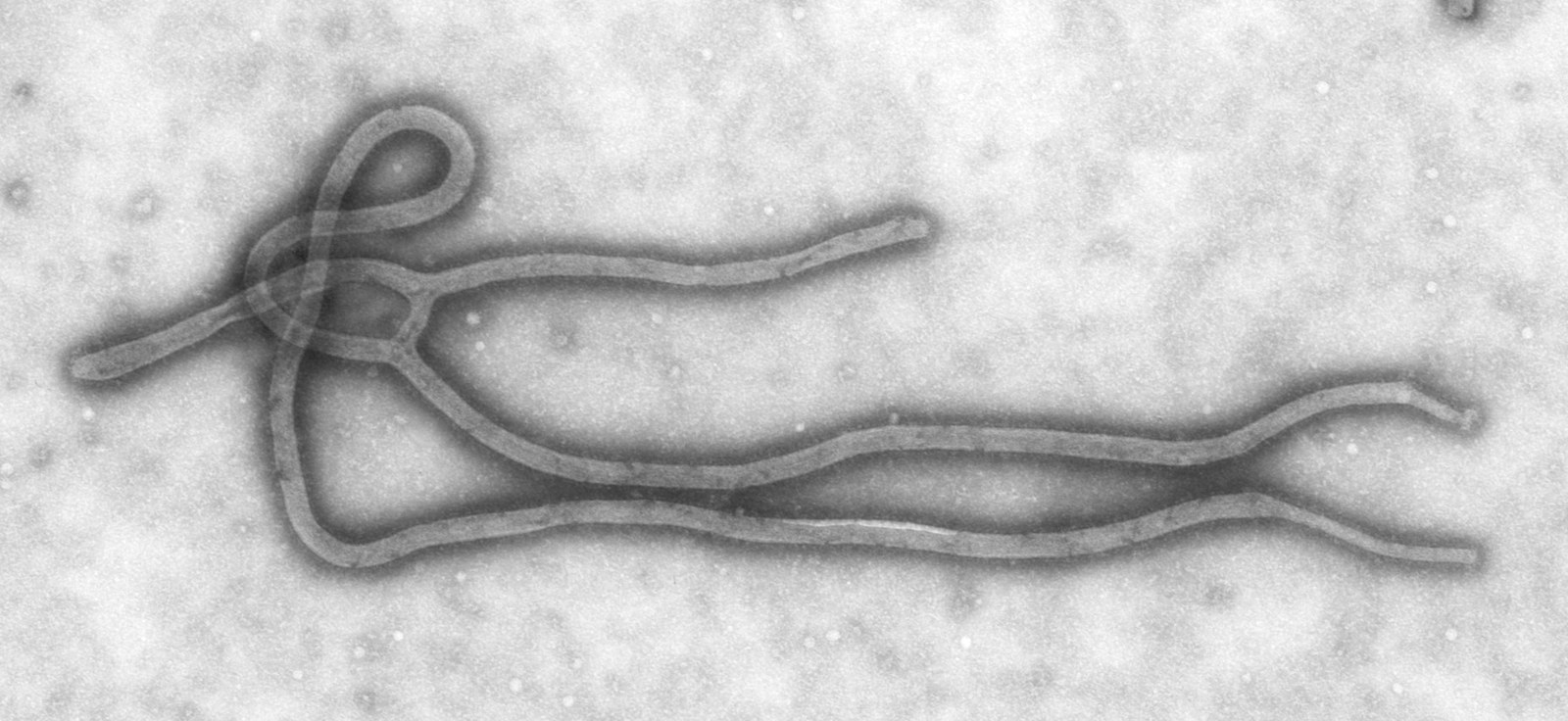
Lisa's Sax is a season nine episode of The Simpsons. As the Daily Mail reported in October 2014, the episode "first aired on October 19, 1997," and in one scene Marge holds up a book titled "Curious George and the Ebola Virus." The paper added: "The book's cover shows a monkey lying in bed." The paper reported on the clip as it spread online in October 2014, during the Ebola outbreak.
The adherents' reading
For adherents, the timing invites a question. The Daily Mail traced the clip to a YouTube channel called Controversy7, whose presenter wrote: "Is there something we are not being told? Is it by pure chance & coincidence that the Simpsons would do predictive programming?"
The site Esoteric.Love, in an essay titled "The Simpsons: Predictive Programming?", makes the wider argument about the show's record: "the pattern demands an answer." It accepts that much of the show is satire, but adds: "Satirical intent and prophetic outcome are not mutually exclusive." Its summary is short: "Coincidence has a weight limit."
The mainstream reading
The man who wrote the scene says the disease was already in the news. In a 2025 interview with Amelia Tait of MIT Technology Review, Al Jean, the show's longest serving showrunner, said: "In one scene I wrote, Marge holds a book called Curious George and the Ebola Virus." He went on: "Well, Ebola existed when I wrote the joke. I'd seen a movie about it called Outbreak. It's like predicting the Black Death."
The disease was not new. The same Daily Mail report noted: "Ebola was discovered in 1976 following major outbreaks that year in the Sudan and Zaire." Alexis Tereszcuk of Lead Stories, checking a viral video of Simpsons predictions in 2021, wrote that "the virus was well-known by 1997 and magnified by the 1994 book" The Hot Zone, and that "there was an Ebola outbreak in Zaire as the Centers for Disease Control noted on its website in 1995."
The researchers' view
Researchers point to volume and memory. Writing for Mic in 2018, Alexis Kleinman reported the estimate of assistant math professor Matt Zaremsky that the show had made about 1,224 "explicit predictions about the future." Of those, "people seem to think between 10 and 20" came true. "So let's say 20 out of the 1,224. That is roughly a 1.6% success rate," Zaremsky said. "Statistics says The Simpsons just had so many jokes and so many predictions that essentially they got lucky."
Mike Hall, writing in The Skeptic in 2023, adds the human side. With a show running for decades, he argues, "confirmation bias will take care of the rest. Fans remember the hits and forget the misses, which makes the hits seem that much more remarkable."
The adherents' answer
Adherents reply that the question is not whether the disease existed. Of all the illnesses a writer could have put in a children's book joke, this one was chosen, and of all the years such a joke could have resurfaced, it resurfaced as that very disease filled the news. They do not claim the writer knew. Their point is that the culture kept a grim name in circulation, through a cartoon watched by millions, long before most viewers had any reason to think about it. For them, the pattern demands an answer, and a lucky guess is not the only possible one.