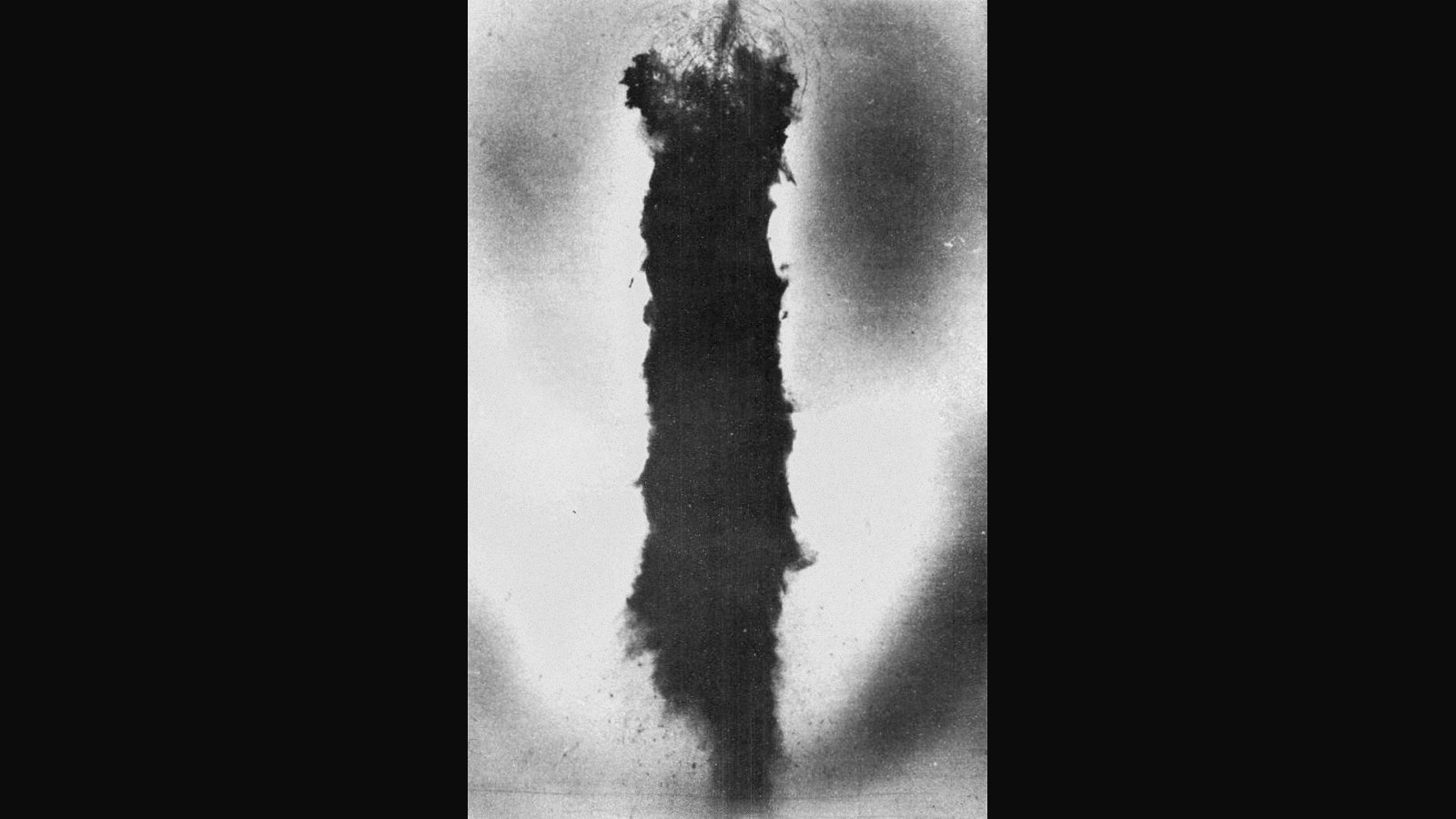
Thule / Project Crested Ice (21 January 1968)
On 21 January 1968 a Chrome Dome / Hard Head "Thule Monitor" B-52 crashed on the ice near Thule Air Base, Greenland, and four sealed-pit thermonuclear weapons broke up across North Star Bay. Official statements stressed no nuclear yield, weapons unarmed, no lasting danger. The National Security Archive's Greenland briefing books, SAC Historical Study #113, an AEC Bruner memorandum, and the USAF Nuclear Safety Crested Ice special edition tell a colder story: conventional high explosive scattered plutonium across sea ice, a secret "gentleman's agreement" forced the United States to tank and ship contaminated ice rather than let it melt into hunting grounds, a secondary "spark plug" component was never found, and the crash finally killed continuous nuclear airborne alert—while exposing how hollow Denmark's no-nukes posture in Greenland had been.
The Crash on Ice
The bomber was flying the BMEWS Monitor / Hard Head airborne-alert route that kept a nuclear-armed B-52 over the Ballistic Missile Early Warning System at Thule—doctrine documented in the National Security Archive's United States and Greenland, Part I. Cabin fire. Bailout in arctic darkness. Impact on the ice of North Star Bay. Four weapons' high explosive detonated without nuclear yield. Blackened scar on the ice. Disaster-control tents. Caption-ready geography for anyone mapping Crested Ice.
NS Archive Greenland Part I (Hard Head / Thule Monitor): https://nsarchive.gwu.edu/briefing-book/nuclear-vault/2025-06-03/united-states-and-greenland-part-i-episodes-nuclear-history.
Official Posture: No Yield / No Danger
The public line after a Broken Arrow is designed to close the story. No nuclear detonation. Safeties worked. Cleanup under control. Danish unilateral no-nuke statements ran beside Washington's neither-confirm-nor-deny posture—language the United States would not endorse as a binding admission that nuclear weapons had been over Greenland in the first place. That framing is standing accident management. It is also incomplete if you stop at the press release.
Crested Ice on Paper
Strategic Air Command History and Research Division's Project Crested Ice study—SAC Historical Study #113, dated 23 April 1969—is the primary operational door. Prefer the National Security Archive FOIA copy over secondary mirrors. Phase I: weapons and aircraft debris recovery. Phase II: scrape-and-tank removal of roughly 10,000 cubic meters of contaminated ice and snow shipped to Savannah River. AEC scientists (Langham, Bruner) and Danish monitors in the loop. Phase I weapons-recovery sections remain excised in the released copy—that excision is part of the tension, not a footnote.
NS Archive SAC History #113: https://nsarchive.gwu.edu/document/33505-document-13-us-strategic-air-command-history-and-research-division-project-crested.
The unclassified special edition of USAF Nuclear Safety (January–March 1970) summarizes Crested Ice cleanup, ecology, public affairs, and Danish scientific cooperation. The Archive notes the vetted cover story that treats Star III as a radioactivity survey and elides why the alert B-52 was over Thule. Use it as official safety literature with that caveat.
NS Archive USAF Nuclear Safety Crested Ice: https://nsarchive.gwu.edu/document/33506-document-14-usaf-nuclear-safety-jan-feb-mar-1970-no-1-volume-65-part-ii-special.
Gentleman's Agreement and What Stayed Managed
H.D. Bruner's 19 April 1968 AEC memorandum reports Pentagon meetings with Danish representatives: Hunziker cleanup briefings on plutonium removal percentages and tanked blackened ice, and attachment of the "Gentleman's Agreement" terms under which the United States would remove contaminated ice rather than leave it to melt into North Star Bay. That is cleanup diplomacy on paper—not a city-killer still buried intact under the ice.
AEC Bruner memo: https://nsarchive.gwu.edu/document/33503-document-11-memorandum-hd-bruner-assistant-director-medical-and-health-research.
The Star III underwater survey was sold publicly as a radioactivity check while privately hunting a missing secondary "spark plug" component. Declassified AEC/SAC language accounts for HE detonation on all four weapons; the missing piece was a uranium spark-plug secondary component, not a complete bomb. H.C. Hansen's 1957 nuclear "green light" and the double-standard Greenland nuclear history only fully surfaced decades later. The National Security Archive's Greenland Part II collects White House, State, AEC, and USAF documents on the crash impact, Crested Ice, the gentleman's agreement, the spark-plug search, and the secret May–June 1968 U.S.–Denmark nuclear notes.
NS Archive Greenland Part II: https://nsarchive.gwu.edu/briefing-book/nuclear-vault/2025-10-15/united-states-and-greenland-episodes-nuclear-history-1957.
The tension adherents read here is classified cleanup diplomacy and NCND—not a proven intact H-bomb still under Thule ice. Stick to the packets.
Chrome Dome Siblings — and the End of the Posture
Thule was not a freak arctic accident. It was the Arctic twin that finally gave McNamara and the Joint Chiefs the opening to end continuous nuclear airborne alert—the 22 January 1968 order that closed the Chrome Dome nuclear-alert chapter.
Goldsboro, January 1961: Sandia's Parker F. Jones later named one ready/safe switch as the last barrier on a close-call Mk 39. Palomares, January 1966: HE scatter of plutonium on Spanish farmland; one B28 months underwater; Franco permanently refused nuclear overflights. Same family of sealed-pit bombs on combat-ready orbits. Same diplomatic scramble afterward. Thule is where the percentage game of continuous alert finally stopped.
Yield Without the Ice Myth
BBC-style "intact fourth H-bomb still under the ice" claims are fringe relative to Crested Ice paperwork. Declassified AEC and SAC language: all four weapons underwent HE detonation; no nuclear yield; the unrecovered item was a secondary spark-plug component. Viral megaton meme numbers detached from the weapon language in the packets do not improve the case. Cite secondary corrections (Christensen / Maggelet-class) only after the primary NS Archive / SAC / AEC doors.
What the Paper Trail Settles
Settled on the documents: a Broken Arrow on 21 January 1968; four weapons' HE scatter on North Star Bay ice; no nuclear yield; Crested Ice Phase I/II recovery and ice shipment; gentleman's agreement cleanup terms in the Bruner packet; Star III framed publicly as survey while hunting a missing spark plug; Hard Head / Thule Monitor doctrine that put the armed B-52 over BMEWS; the crash politics that helped end continuous nuclear airborne alert. Overclaim to refuse: intact city-killer still under the ice as settled fact, and the idea that "no yield" equals "no plutonium, no secret diplomacy, no excised Phase I."
The tension that remains is the one the FOIA trail leaves open. Officials said no nuclear yield and no lasting danger. SAC History #113, the Bruner memo, the Nuclear Safety special edition, and the Archive's Greenland books show tanked blackened ice, a gentleman's agreement, a missing spark plug, excised weapons-recovery detail, and the end of Chrome Dome. Thule is that arctic gap—read beside Goldsboro and Palomares, with the NS Archive packets open.