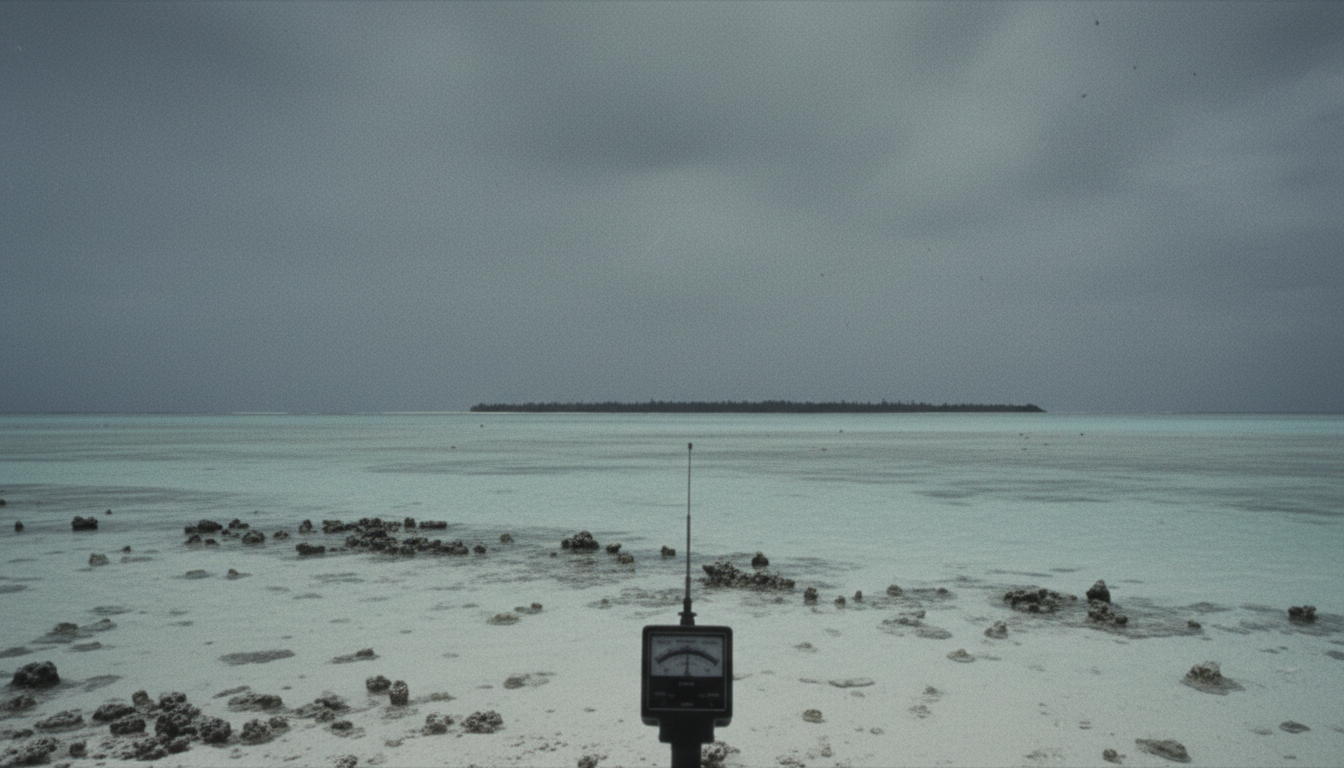
Castle Bravo Fallout (1 March 1954)
On 1 March 1954 the United States fired the "Shrimp" device at Bikini Atoll. Castle Bravo's yield smashed expectations. Fallout tracked across Rongelap and Utrik. The Japanese fishing vessel Daigo Fukuryū Maru—Lucky Dragon No. 5—sailed home contaminated. Classification culture met human cost in public.
NS Archive and the Radiological Record
The National Security Archive's "Castle BRAVO at 70" briefing book is the cleanest documentary door: https://nsarchive.gwu.edu/briefing-book/nuclear-vault/2024-02-29/castle-bravo-70-worst-nuclear-test-us-history. Radioprotection literature revisits dose and geography without needing conspiracy folklore. AEC public messaging after the shot is part of the file—what was said, what was delayed, who was moved, who was not.
Negligence and Secrecy Versus Intentional Sacrifice Claims
Negligence plus secrecy are the solid core. Claims that fully intentional islander sacrifice was the primary purpose run stronger than the evidence. Evacuation delays and classification reflex are damning enough without turning Bravo into a cartoon extermination plot.
Lucky Dragon and Transnational Fallout
Castle Bravo stopped being a U.S.-only story when Lucky Dragon sailors returned to Japan contaminated. Fallout diplomacy—apologies, compensation fights, classified yield debates—belongs beside the atoll evacuation timeline.
Settled Fallout Versus Overclaimed Purpose
Settled: date, unexpected yield, fallout on atolls and Lucky Dragon, declassified nuclear-vault materials. Overclaimed: intentional sacrifice as the test's primary documented purpose. Keep the ash pattern and the cables.
Archival reading tip for this file: prioritize the dated primary URLs in sources[] and the named commissions, courts, or excavators above secondary retellings that flatten the story into a slogan.
Source Discipline for This Page
The strongest claims on Castle Bravo Fallout (1 March 1954) are the ones tethered to dated primary URLs in the sources list—agency PDFs, court or committee releases, peer-reviewed surveys, or official histories. Secondary documentaries and magazine profiles can open the door; they should not outrun the paperwork. Where fringe readings appear in public culture, this page keeps them labeled and downstream of the documentary spine. Evidence bullets above are the checklist for a skeptical reader who already knows the headline.
Comparative Archive reading stays useful only when titles stay distinct: link neighbors for method, chronology, or institutional pattern, not because every scandal is secretly the same scandal. For Castle Bravo Fallout (1 March 1954), the local facts still have to carry the page.