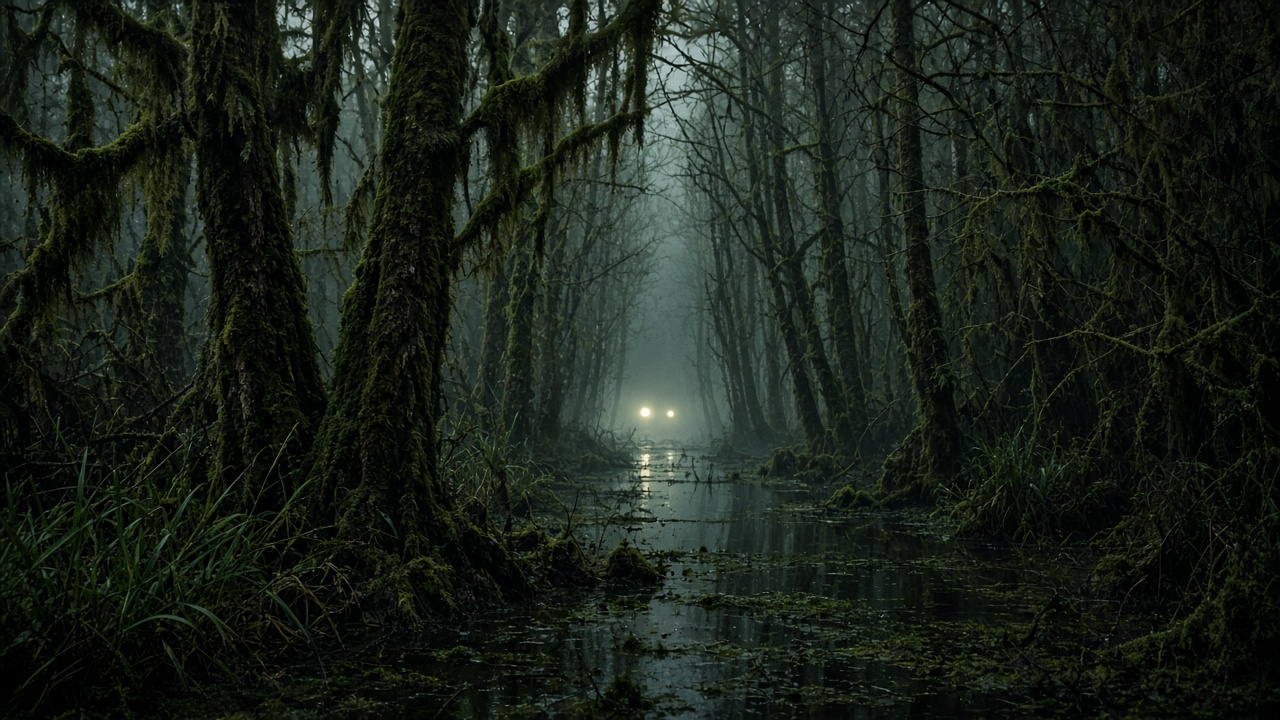
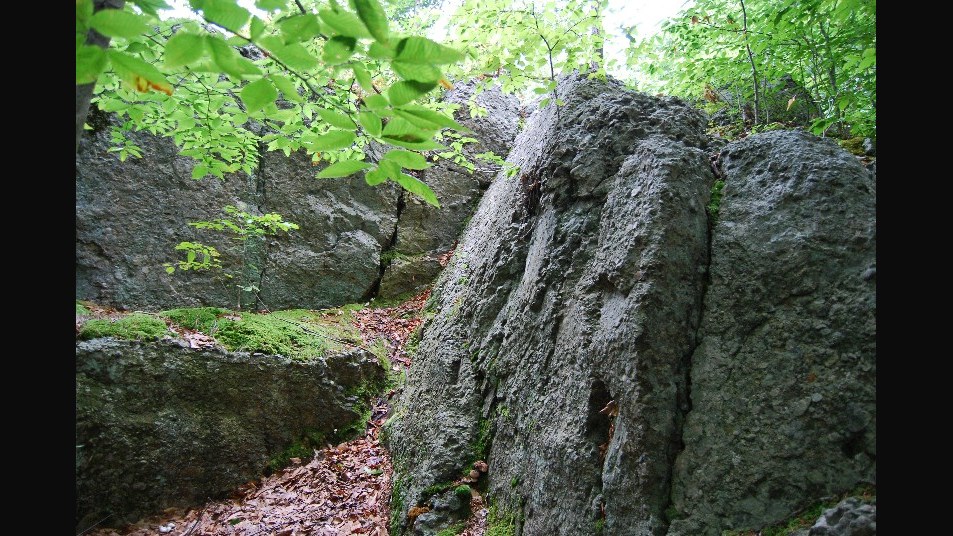
Some believe a triangle of about 200 square miles in southeastern Massachusetts, with corners at Abington, Freetown and Rehoboth, is a window where the unexplained comes through. At its heart lies the Hockomock Swamp, whose Algonquin name is usually translated as "place where spirits dwell." Adherents point to UFOs, giant winged creatures, Bigfoot-type sightings, phantom panthers and strange lights, along with a high run of violence and disappearances. No police, state or federal body has ever investigated the Triangle as such. Its case rests on witness reports, two writers, and the land itself.
The article that drew the lines
The Triangle was set out in print in April 1980, in a Boston Magazine article by Peter Rodman and Loren Coleman, now held in scan by the Bridgewater Public Library. It fixed the 200 square mile boundary and collected the case list that every later account draws on.
Two of its reports are still the most cited. On March 23, 1979, Jerry Lopes, a radio newsman at WHDH in Boston, saw an unidentified flying object he described as shaped like home plate on a baseball diamond, with a bright red light on top and a powerful white "headlight." And in Bridgewater in 1970, the article says, armed state and local police went out with a pack of hunting dogs after a creature that residents had reported. It was never found, and police were never certain what it was.
The Birdman of Bird Hill
Coleman returned to the Triangle in his book Mysterious America, and the library holds that chapter too. He describes it as a "window" area, a location of focused unexplained activity, and lists the towns inside it: Brockton, Taunton, the Bridgewaters, Raynham, Mansfield, Norton and Easton.
His best-known witness is a police officer. At 2 a.m. on a late summer night in 1971, Norton police sergeant Thomas Downy was driving home to Easton. Near a place called Bird Hill, at the edge of the swamp, he was confronted by a winged creature over six feet tall with a wingspan of between eight and twelve feet. As he stopped at the intersection, Coleman writes, it flew straight up and disappeared over the trees into the swamp. Downy reported it to Easton police, and a patrol car searched the area. His fellow officers called him "The Birdman" for weeks. He stuck to his story.
Coleman adds an odder account from the swamp's Grassy Island. When archaeologists opened an 8,000-year-old burial site there, he writes, the red ochre in the graves bubbled and dissolved, and every photograph taken of the site failed to develop.
A library that keeps the file
The Bridgewater Public Library maintains a research collection on the Triangle and the swamp in its Archives and Special Collections, much of it gifted by a member of the local paranormal community. Its guide defines the Triangle as about 200 square miles in the greater Bridgewater area, claimed to be a site of paranormal phenomena "ranging from UFOs to poltergeist, various bigfoot-like sightings, giant snakes, and thunderbirds," and credits the name to Coleman. The library states that it does not endorse the claims.
What the collection shows is staying power. Its dated bibliography runs from the 1980 article through decades of Boston Globe, Boston Herald, Enterprise and Taunton Gazette coverage, with headlines about a man-beast, swamp monsters and glowing lights. The stories did not fade after 1980. They kept coming back.
https://bridgewaterpubliclibrary.org/bridgewater-triangle-and-hockomock-swamp
What the Commonwealth protects
Massachusetts treats the swamp as something worth protecting, for its own reasons. The Hockomock Swamp was designated an Area of Critical Environmental Concern in February 1990. It covers about 16,950 acres across six towns: Bridgewater, Easton, Norton, Raynham, Taunton and West Bridgewater. The state calls it the largest vegetated freshwater wetland system in Massachusetts. The Division of Fisheries and Wildlife owns about 5,000 acres of it.
The designation page also records how long people have been here. According to the Massachusetts Historical Commission, archaeological sites near the swamp span about 9,000 years, and the area is home to at least 13 rare or endangered species.
https://www.mass.gov/info-details/hockomock-swamp-acec
Place where spirits dwell
In October 2025 MassWildlife, the state's own wildlife agency, published a feature on the swamp. It gives the Algonquin meaning of Hockomock, "place where spirits dwell," and records the Wampanoag association of the swamp with Hobomock. It notes the swamp's use as a stronghold in King Philip's War, and that English soldiers called it the "Devil's Swamp."
It does not stop at ecology. The agency acknowledges that tales of strange lights, ghostly figures and "monstrous beasts" have been reported in the swamp over the past 50 years, and that it lies within the Bridgewater Triangle. For believers, that is the notable part: a state agency writing about the swamp's wildlife found it could not leave the stories out.
https://www.mass.gov/news/into-the-hockomock-where-wildlife-and-stories-dwell
The written rock
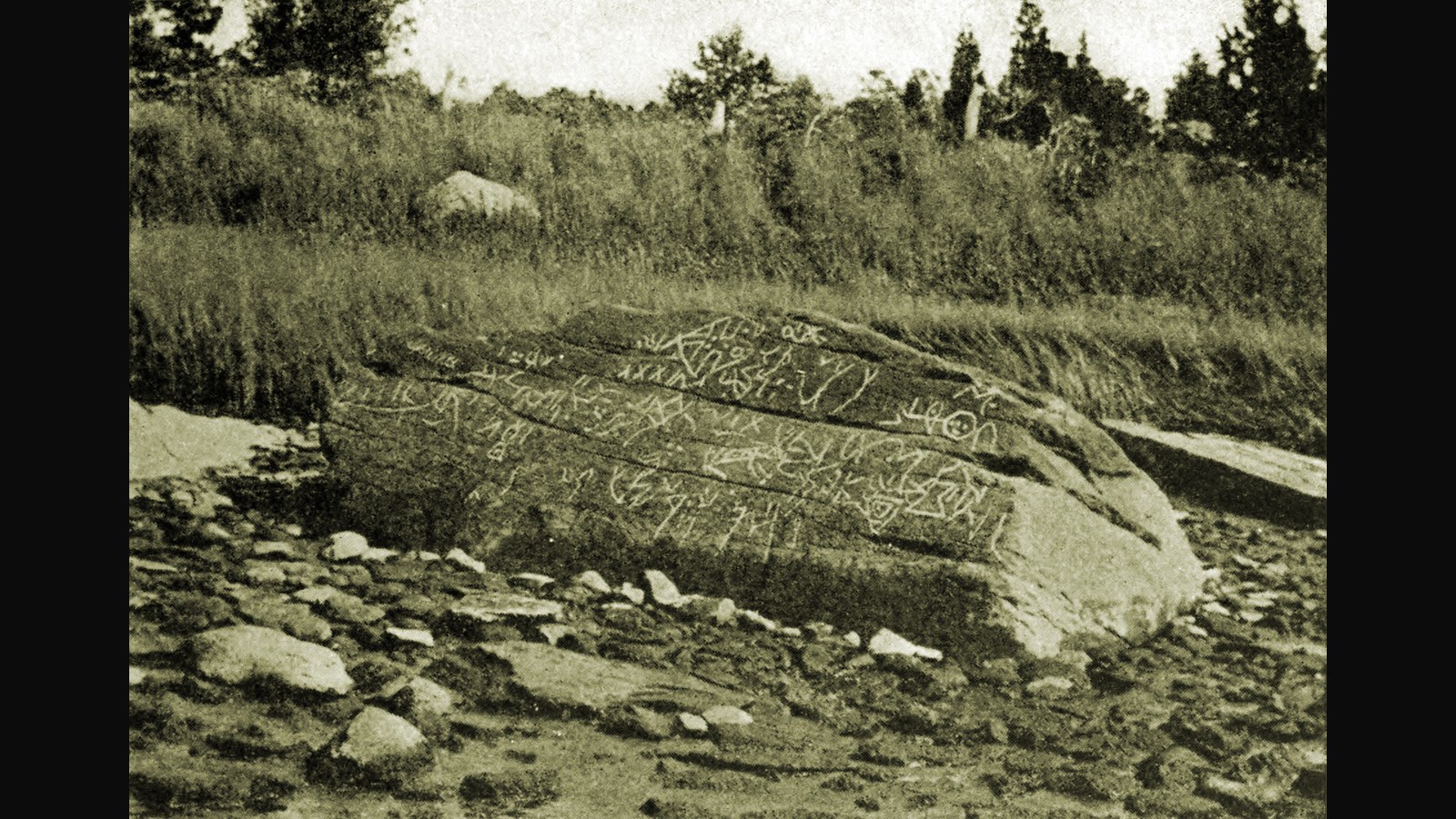
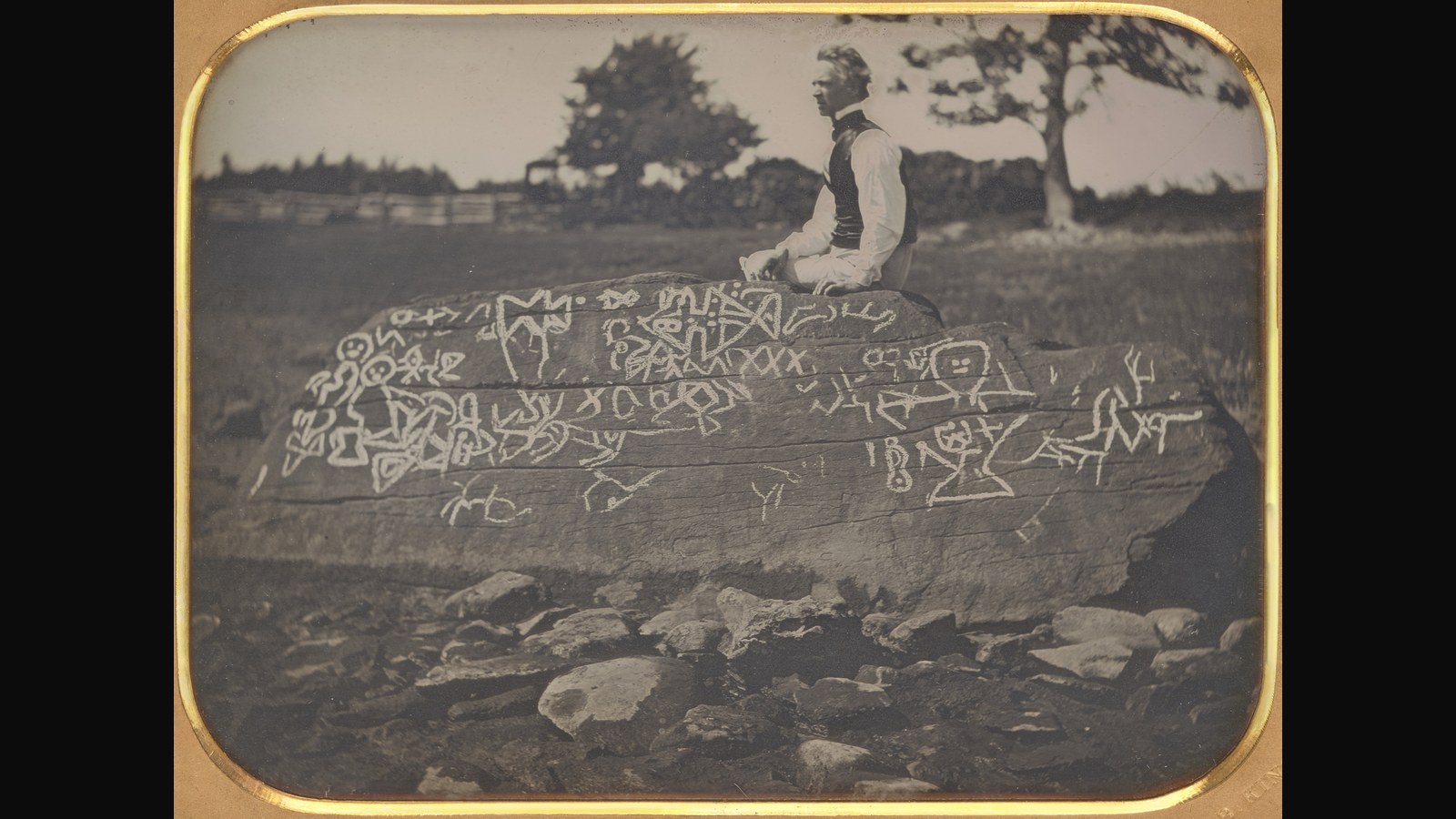
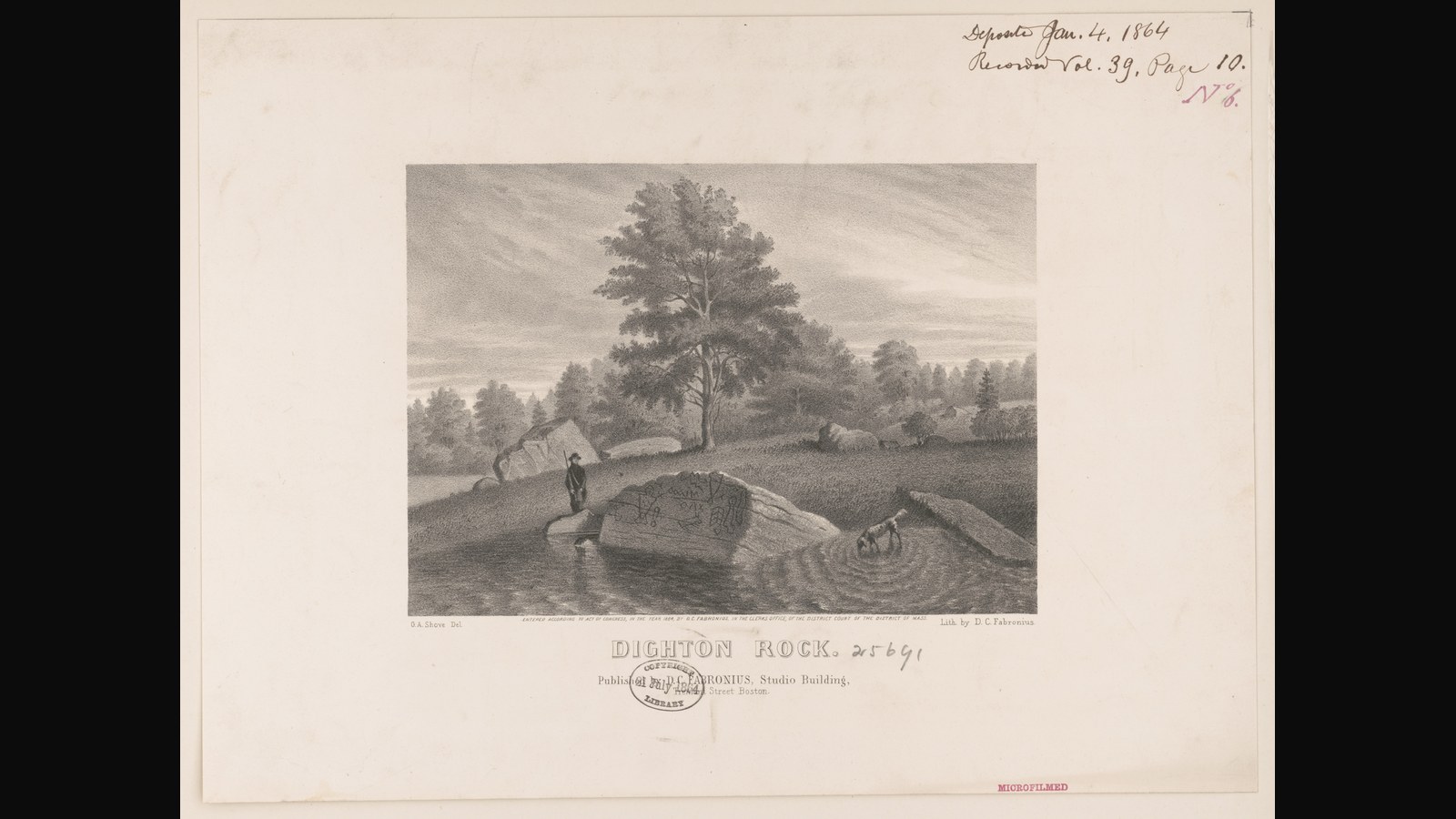
On the bank of the Taunton River sits Dighton Rock, a 40-ton boulder covered in carvings. In 1928 Brown University psychologist Edmund B. Delabarre published a full study of it. He traced its history from the first drawing, published by Cotton Mather in 1690, through rival readings that made it Phoenician, Norse or Portuguese. Delabarre read in the carvings a date of 1511 and the name of Miguel Corte-Real, a Portuguese explorer who sailed for the New World and never returned.
Coleman counts the rock among the many mysteries on the landscape of the Hockomock and the Triangle. A swamp named for spirits, a boulder nobody can agree on, a winged thing over Bird Hill. Is the Bridgewater Triangle a window, or a place that simply holds on to its stories?
https://archive.org/stream/dightonrockstudy00dela/dightonrockstudy00dela_djvu.txt