Carnivore and DCSNet
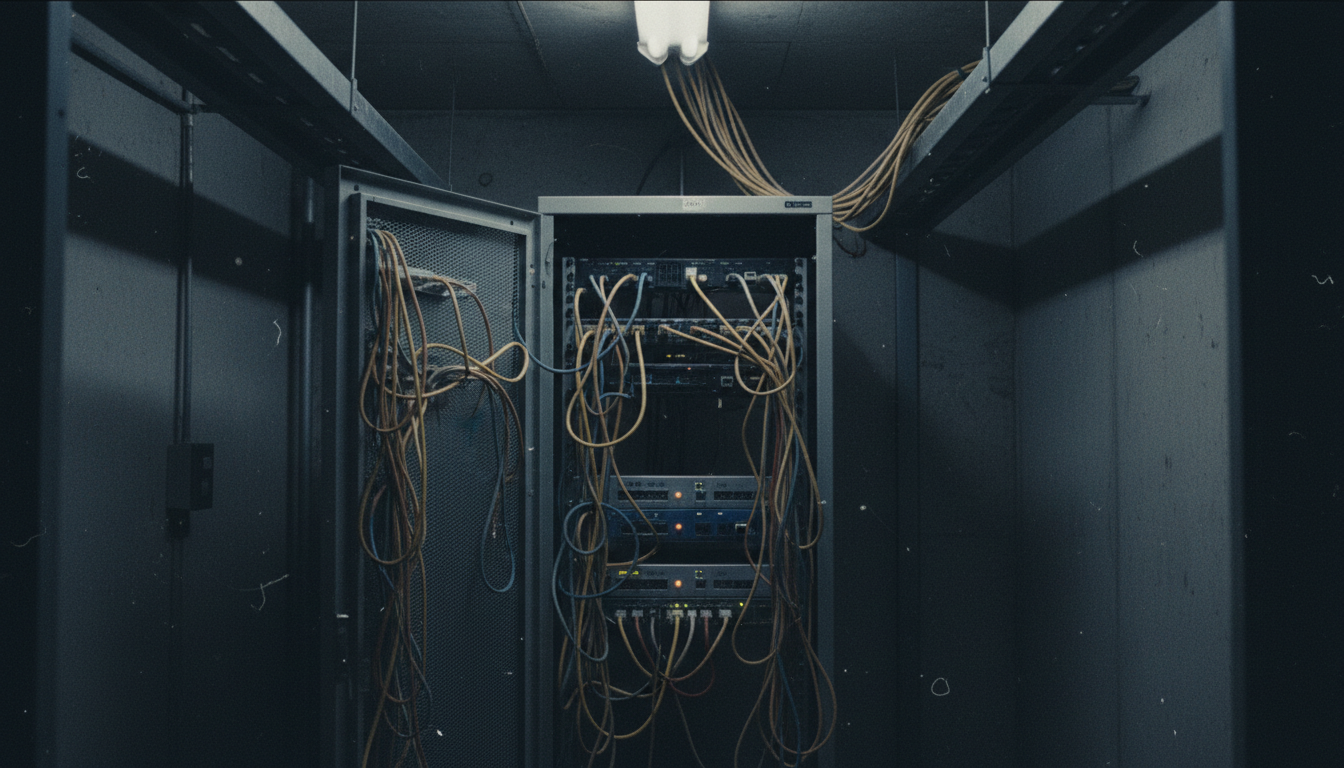
In July 2000, FBI officials briefed Congress on a tool with a predator name. Carnivore—later restyled DCS1000—was a packet-sniffer package agents could seat at an internet provider to run court-ordered intercepts. Privacy groups heard a different pitch: a black box that might see more traffic than the warrant described.
The Box at the ISP
Carnivore sat inside the CALEA-era fight over digital wiretaps once phone switches stopped being the whole network. Agents needed IP-level collection. Providers needed liability shields. The Bureau emphasized configurable filters and minimization. Critics asked who audited the configuration after the van left.
GAO and DOJ materials from the early 2000s record pilots, naming changes, and assurances that only authorized traffic would be kept. Those were policy claims. Independent continuous audit was not the public design.
From Carnivore to DCSNet
By the mid-2000s, reporting on DCSNet described pen-register, telephone, and internet intercept channels stitched into law-enforcement workflows. Carnivore the brand faded. The hunger for packet-level evidence did not.
PRISM and Room 641A sit on the intelligence side of the same decade. Carnivore/DCSNet is the criminal-wiretap cousin: Title III paperwork in theory, systemic visibility in practice.
What Oversight Actually Saw
EPIC's FOIA work made Carnivore concrete rather than rumor. Those files do not provide a full after-action of every over-collection incident. Absence of a televised scandal is not proof of perfect filters.
Once packet sniffers become normal police tools, the policy fight moves to retention, querying, and mission creep—exactly where later surveillance fights also lived.
Architecture After the Name
Retiring a brand does not retire an intercept requirement. Carriers still had to be collectable. Software stacks changed labels; the lawful-intercept surface remained.
Defense counsel treated minimization language as a promise that needed logs, not slogans. That evidentiary demand is why Carnivore still matters in cloud-era debates.
Carnivore's public life was brief. The architecture problem it advertised—lawful intercepts on networks built for surveillance-scale copying—did not retire with the name.
CALEA's Long Shadow
Once carriers were required to be intercept-capable, the fight shifted from possibility to scope. DCSNet reporting made that scope visible as a product suite rather than a single sniffer executable.
GAO’s Carnivore briefing is at https://www.gao.gov/products/gao-01-324r; EPIC’s Carnivore archive is at https://www.epic.org/privacy/carnivore/.
The record settles that packet-capture appliances moved from named Carnivore boxes into broader DCS architectures under CALEA pressure; it does not settle how often parallel construction hid the trail in later cases.