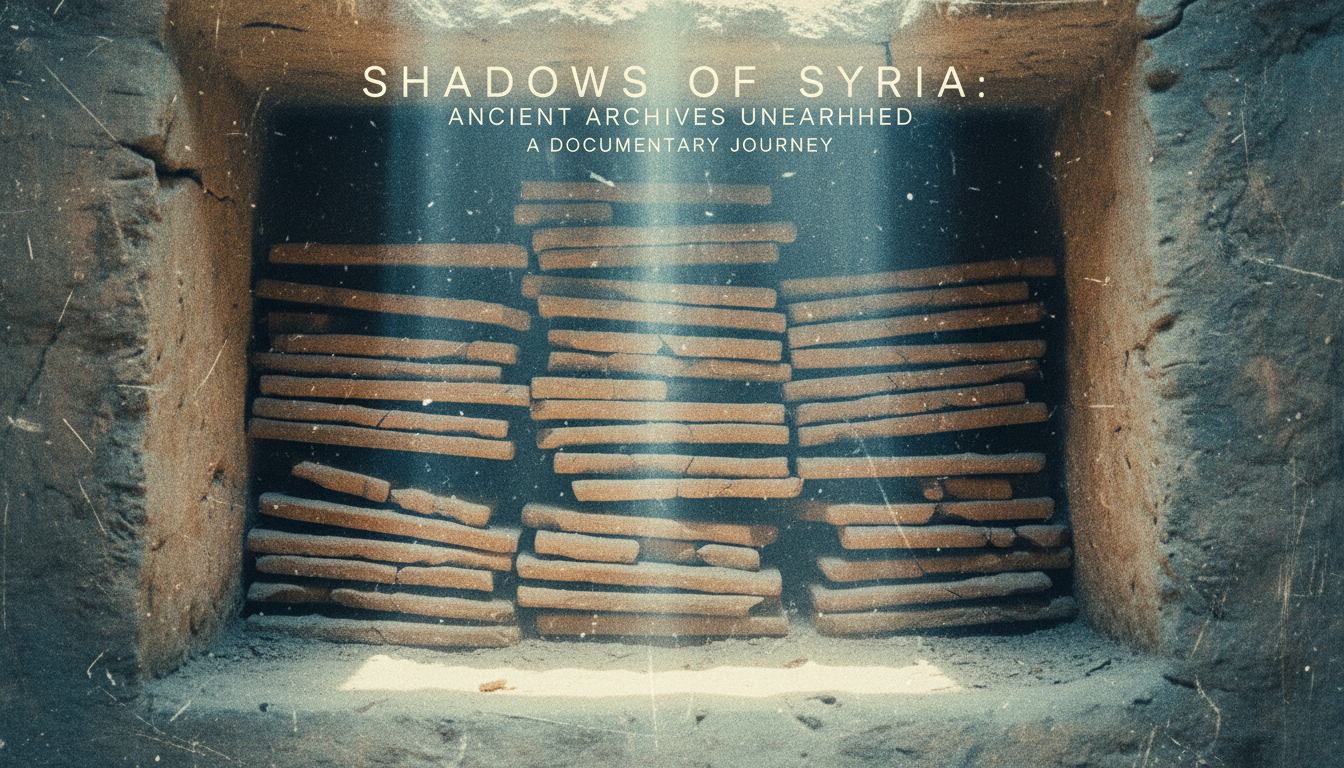
Ebla Tablets: Discovery, Archives, and the Biblical Controversies
Italian excavations led by Paolo Matthiae at Tell Mardikh (Ebla), Syria, recovered palace archives — a small find in 1974, then ~15,000 tablets/fragments from Palace G in 1975. Epigrapher Giovanni Pettinato’s early readings fueled sensational biblical place-name and “Ya” claims; Matthiae and later Alfonso Archi rejected many of those links.
Find and First Readers
The fight is a documented scholarly schism with Cold War–era media amplification — Archive should lead with excavation reports, not Genesis proof-texting.
People, places, and dates that keep recurring in the primary record include: Tell Mardikh; Matthiae; Pettinato resignation/ousting narratives; Archi critiques; Early Bronze palace archives; Biblical Archaeologist early reports.. Open first: https://undena.com/EL-UP/Pettinato_1979_Old_Canaanite_Cuneiform_Texts_-_MANE_1.7.pdf before secondary retellings.
How the Reading Advanced
Tell Mardikh; Matthiae; Pettinato resignation/ousting narratives; Archi critiques; Early Bronze palace archives; Biblical Archaeologist early reports.
Keep this institutional page in the working set: https://www.journals.uchicago.edu/doi/abs/10.2307/3209400. Museum statements, dig reports, and court or committee PDFs outrank viral summaries here.
Open Problems
Tablet discovery documented; Sodom/Gomorrah/"Ya" biblical identity claims are largely rejected in later specialist literature.
Third load-bearing URL: https://library.biblicalarchaeology.org/article/new-ebla-epigrapher-attacks-conclusion-of-ousted-ebla-scholar/. Untethered claims stay in the contested column.
Tablet Counts Versus Maximal Claims
This page holds “Ebla Tablets: Discovery, Archives, and the Biblical Controversies” to dated instruments—digs, museums, courts, papers—then marks reception and fringe as reception and fringe. Neighbor links are navigation, not evidence.
Tablet counts are solid; Sodom-name maximal claims are the rejected layer.