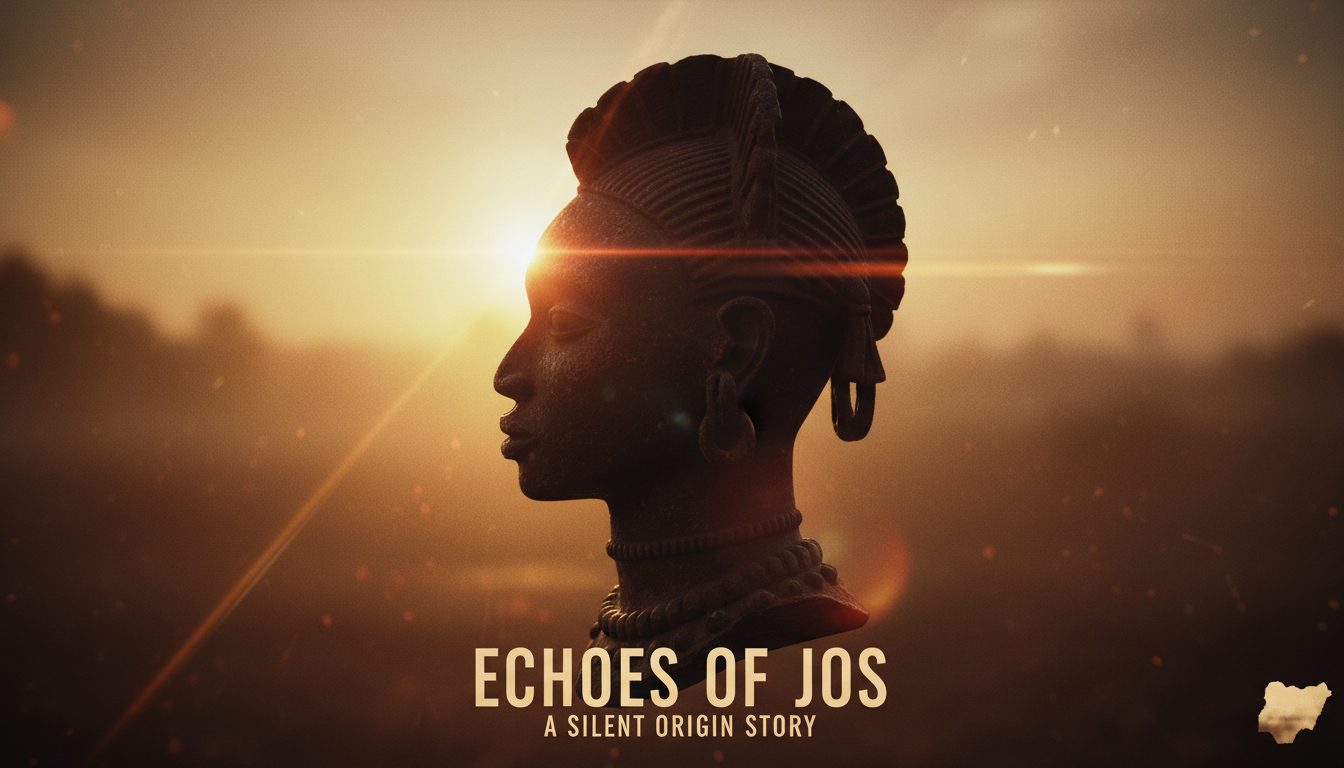
For decades, central Nigeria’s Nok terracottas circulated as beautiful orphans—museum favorites and market prizes with a thin chronological skeleton and a thick fog of “mysterious civilization” talk. Goethe University Frankfurt’s long German Research Foundation (DFG) project did not invent the sculptures. It rebuilt the timeline, the farms, the iron, and the burial contexts around them. The Archive tension is that reset: science against colonial mystery clay, including the project’s own revision of earlier “complex society” slogans.
Famous Clay, Thin Context
Nok-style terracottas entered world archaeology in the mid-twentieth century as striking human and animal figures from central Nigeria. Looting and market demand often outran excavation. Without secure radiocarbon and pottery sequences, the figures floated—easy targets for racial lost-civilizer myths and for collectors who preferred beauty to provenience.
The Frankfurt project’s public and GEPRIS abstracts refuse that float. They put terracottas back into dated settlements, pits, and grave-associated depositions.
DFG GEPRIS project 107422281: https://gepris.dfg.de/gepris/projekt/107422281?language=en&selectedSubTab=2.
Official Posture: A DFG Long-Term Reset
From roughly 2005/2009 through 2021, Goethe archaeologists and archaeobotanists (Peter Breunig and Katharina Neumann leadership tradition in university releases) ran a DFG long-term program on Nok. The GEPRIS summary is blunt: about 270 radiocarbon dates and pottery analysis redefine duration and development. Nok appears around 1500 BCE and ends near the turn of the era. Early phase farming immigration; Middle phase denser settlement, mass terracotta production, and early iron furnaces; Late phase decline.
Goethe’s English news release on plant-residue work places that project close in December 2021 and ties eating habits to the same chronology machine.
Goethe Nok archaeobotany news: https://aktuelles.uni-frankfurt.de/en/english/leafy-greens-first-dished-up-3500-years-ago/.
ZIAF project index: https://www.uni-frankfurt.de/47331892/Forschungsprojekte_des_Zentrum_f%C3%BCr_Interdisziplin%C3%A4re_Afrikaforschung__ZIAF.
What the Paperwork Actually Revises
The tension inside the science file is almost as interesting as the fight with folklore. GEPRIS language states that scarce permanent buildings, thin deposits, and site size patterns refute a simple “complex society / early state” assumption and favor semi-sedentary farming communities with family-scale social structure. Terracotta depositions associated with graves explain sculpture function as burial-ritual equipment rather than palace art. Archaeobotany points to pearl millet and cowpea; hunting remains important; clear animal-husbandry evidence is thin in the project abstract.
Peer-reviewed doors: the Vegetation History and Archaeobotany pearl-millet paper (DOI) and the Azania Pangwari site synopsis from the project’s largest excavation.
Pearl millet DOI: https://doi.org/10.1007/s00334-022-00902-0.
Azania Pangwari: https://www.tandfonline.com/doi/abs/10.1080/0067270X.2020.1757902.
University Library Frankfurt’s open portal entry holds project publication/outline material for readers who want the institutional repository path.
Frankfurt UB portal: http://publikationen.ub.uni-frankfurt.de/frontdoor/index/index/docId/44256.
Why “Mystery Nok” Sold
Looted terracottas look ancient and mute. Mute objects invite ventriloquists. Colonial and popular writers sometimes smuggled in lost white civilizers or unexplained genius discontinuous with African farming histories. The Frankfurt reset is the antidote: dated millet fields, iron slag contexts, and burial-linked clay—not racial science fiction. The Archive shelves Nok beside Igbo-Ukwu, Mapungubwe, and Great Zimbabwe denial historiography for that reason. The fight is provenance and chronology politics, not dig tourism.
Archive Siblings
Igbo-Ukwu’s bronze and burial wealth is a West African complexity neighbor with its own colonial underestimation history. Mapungubwe’s gold burials and UNESCO landscape fight apartheid minimization. Great Zimbabwe remains the classic denial case. Keep Nok on the DFG chronology and terracotta-grave spine.
Myth Discipline
Reject “Nok = lost white / non-African civilizers.” Reject claims that terracottas prove a vanished high-tech empire the GEPRIS abstract explicitly revised away from. Stick to radiocarbon phases, iron furnace evidence, pearl-millet subsistence, and burial-ritual readings in the project literature.
Market Orphans and the Science of Context
Unprovenanced Nok heads still move through auction and private circuits. Each orphaned face renews the mystery-clay brand the Frankfurt project tried to retire. The scientific answer is contextual: terracottas tied to graves and dated settlements, millet and cowpea in the diet, iron appearing in the Middle phase without turning Nok into an imaginary metallurgical empire. When GEPRIS language revises “complex society” downward, it is not a demotion of African achievement. It is a refusal to let market aesthetics dictate social evolution slogans. Archive readers should hold both facts: the sculptures are extraordinary, and the farming communities that made them do not need racial fantasy to matter.
Iron Without Empire Melodrama
Middle Nok iron furnaces appear in the project literature without a matching flood of finished iron objects in every pit. That asymmetry frustrates treasure-hunting narratives and supports the GEPRIS social model: farming communities with ritual terracotta practice, not a Hollywood metallurgical state. Pearl-millet papers and Pangwari’s Azania synopsis show how diet, pits, and depositions rebuild a culture that market catalogs had reduced to faces. The chronology reset is also a genre reset—from mystery sculpture to dated African archaeology.
Against the Orphan Catalog
Catalog essays that isolate a smiling Nok head from millet fields and grave pits recreate colonial mystery even when they praise African genius. Frankfurt’s project literature refuses the orphan. Pangwari’s large excavation footprint, residue chemistry, and radiocarbon stack are the antidote. Archive adjacency to Igbo-Ukwu and Mapungubwe is deliberate: West and southern African complexity files that fought minimization. Nok’s “so what?” is the chronology reset as anti-folklore machine.
What the Paper Trail Settles
Settled: Nok terracottas as a central Nigerian archaeological complex; Goethe/DFG long-term chronology from ~1500 BCE to the turn of the era; Middle Nok terracotta florescence and early iron; archaeobotanical pearl-millet evidence; project revision of “complex state” slogans toward semi-sedentary farming communities. Overclaim to refuse: racial origin myths and market folklore that treats every unprovenanced head as a separate lost civilization.
The tension that remains is historiographic. Collectors sold mystery. The DFG file sold dates, millet, and graves. Nok is that reset—read with GEPRIS and the Goethe doors open.