
Great Zimbabwe and Colonial Denial Archaeology
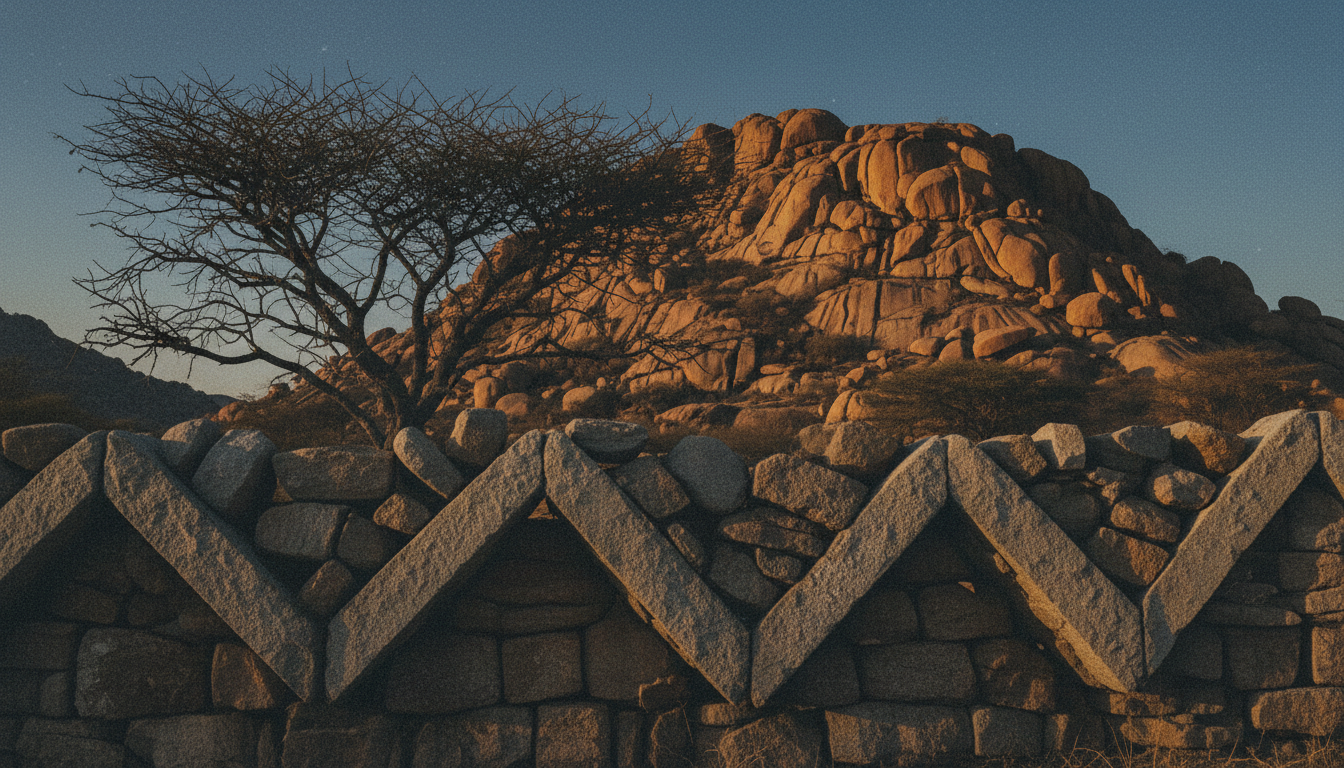
On the southeastern hills of present-day Zimbabwe rise dry-stone walls that do not need mortar. Great Zimbabwe's conical tower and chevron courses were always local genius. Colonial and Rhodesian authorities spent generations insisting otherwise—Phoenicians, Arabs, biblical outsiders, anyone but ancestral Shona builders.
What Professional Archaeology Established
Gertrude Caton-Thompson argued African authorship in classic 1929 work. Mid-century synthesis by scholars such as Peter Garlake tightened chronology and construction history against settler myth. UNESCO's listing and PBS NOVA's overview remain accessible doors: https://www.pbs.org/wgbh/nova/article/mysteries-of-great-zimbabwe/. The stones did not change. The politics of who was allowed to claim them did.
Rhodesia, Censorship, and the Past as Battlefield
Preben Kaarsholm's essay on the past as battlefield in Rhodesia and Zimbabwe maps how regime politics punished archaeologists who said the quiet part aloud. Garlake's career became a case study in that pressure. This is historiography of power rewriting ruins—Archive-ready without needing astronauts.
Fringe Residuals After Mainstream Settlement
Ancient-alien or white-civilizer theories are the residual fringe. African construction is mainstream archaeology. Poverty Point offers a comparative colonial-denial pattern: the structure of doubt is similar, but the continent is different.
UNESCO After the Denial Wars
Great Zimbabwe's World Heritage status arrives after the colonial denial campaign, not instead of remembering it. Listing papers celebrate architecture; historiography must still name who was forbidden to claim that architecture.
What This Record Settles
Settled: monumental Shona-linked construction; colonial misattribution campaigns; professional reversal under political heat. Fringe: extraterrestrial or lost-white-race authorship. The walls were local. The denial was imported.