Timbuktu’s fame as a Sahelian centre of Islamic learning rests as much on private family libraries as on the earthen mosques and saints’ mausoleums that define the UNESCO World Heritage property (List 119). When northern Mali fell under occupation in 2012, those libraries and the Ahmed Baba research centre faced theft, burning, and trafficking risk. What the public often remembers as a total incineration was, in the paper record, a mixed catastrophe: mausoleums demolished, a counted subset of manuscripts destroyed, and hundreds of thousands of volumes moved south—chiefly to Bamako—by networks organised through SAVAMA-DCI and manuscript-owning families. UNESCO’s post-liberation mission published damage estimates rather than a shrug. This file holds that rescue trail and those counts. It refuses the empty baptism that “everything was lost forever” when the evacuation and conservation emergency are documented.
Mosques, Libraries, Occupation
List 119 frames the city’s three great mosques and associated mausoleums as Outstanding Universal Value. Manuscript culture sat beside that architecture: household chests, private libraries, and institutional stacks written in Arabic and ajami across centuries of commerce, law, astronomy, and devotion. Occupation authorities attacked visible saint veneration—mausoleums flattened as ideological theatre—while manuscript holdings became simultaneously targets and cargo. Ali Ould Sidi and other Malian heritage officials briefed international partners on damaged shrines and on the high risk to an estimated corpus on the order of hundreds of thousands of manuscripts.
UNESCO Timbuktu List 119: https://whc.unesco.org/en/list/119/.
The Ahmed Baba Institute’s modern building became a photogenic ruin in January 2013 when retreating militants set fires. Ash and scorched bindings travelled the world’s wires. Those images were real loss. They were not a complete inventory of Timbuktu’s written heritage. Much of what the Institute and private libraries held had already been packed.
SAVAMA, Trunks, Bamako
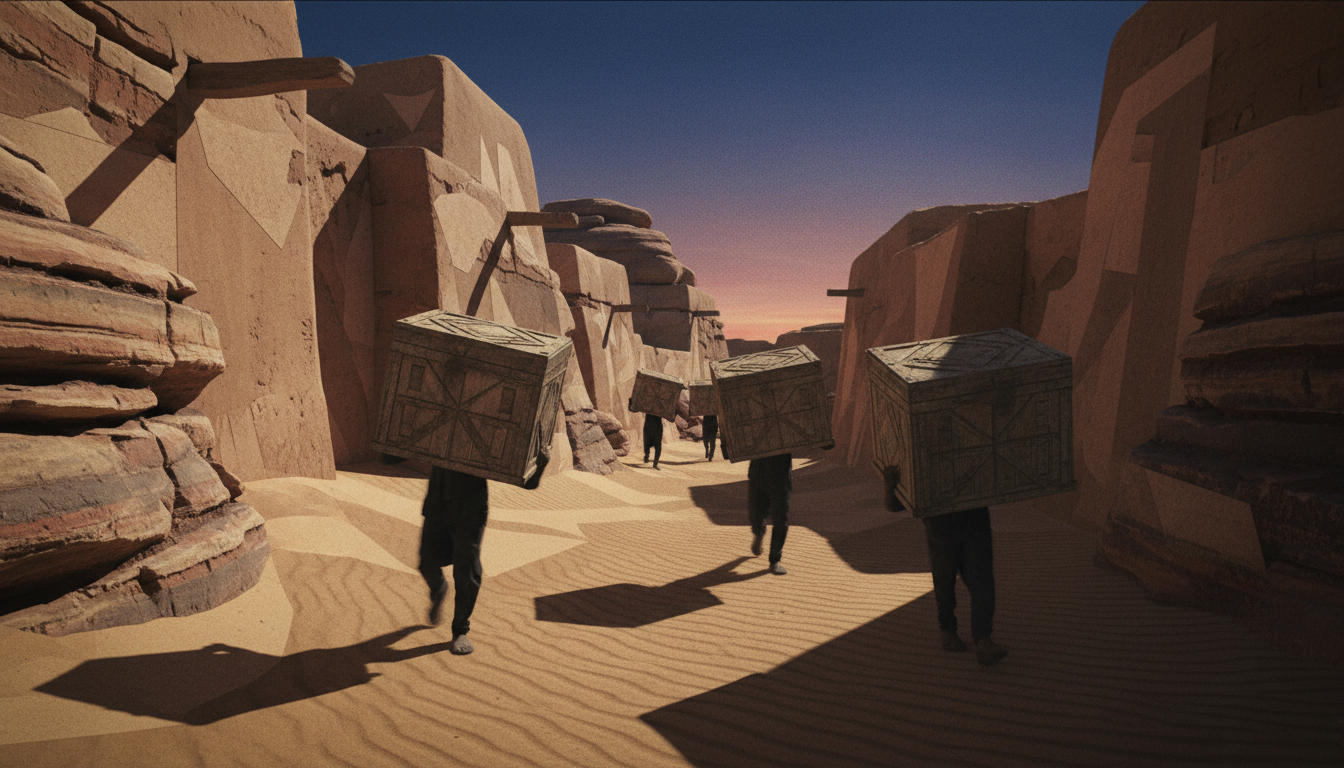
SAVAMA-DCI—Sauver et Valoriser les Manuscrits—had spent years persuading families to inventory holdings without surrendering ownership. When road conditions briefly favoured movement, that association and allied couriers shifted lockers and metal trunks along overland and river routes toward Bamako safe houses. Couriers reported breakdowns, checkpoints, and ransom scares; the logistics were ordinary and dangerous at once. Figures published in different briefings do not lock to a single digit—UNESCO’s mission spoke of roughly three hundred thousand manuscripts exfiltrated, mainly to Bamako, needing urgent conservation—but the direction of the story is consistent: mass evacuation, not total disappearance.
SAVAMA-DCI: https://savamadci.org/.
Bamako’s humidity and pests turned rescue into a second crisis. Trunks that had protected pages from fire now threatened them with mould. International partners funded cataloguing, boxing, and digitisation in uneven waves. The Library of Congress’s Islamic Manuscripts from Mali collection—built around holdings linked to the Mamma Haidara Commemorative Library and related libraries—offers one overseas digital door into that manuscript world, complementary to Malian custody rather than a substitute for it.
Library of Congress — Islamic Manuscripts from Mali: https://www.loc.gov/collections/islamic-manuscripts-from-mali/about-this-collection/.
Romantic retellings that cast a single hero buying every trunk in town capture part of the human energy and erase the association paperwork, embassy contracts, and family couriers who made scale possible. Documentary reading keeps both the courage and the institutions.
UNESCO Damage Counts Without Total-Loss Myth
In late May and early June 2013 a UNESCO-led team, supported by MINUSMA and specialists from ICOMOS, ICCROM, and other bodies, walked the damaged cemeteries and mosques and inspected manuscript conditions. Lazare Eloundou Assomo’s public summary was blunt: destruction looked worse than first estimated. Fourteen mausoleums were reported totally destroyed, including World Heritage components, plus further damage at Djingareyber; the El Farouk monument at the city entrance was razed. For manuscripts, the mission estimated 4,203 lost from the Ahmed Baba research centre and about 300,000 exfiltrated and in urgent need of conservation. UN News carried the same assessment to a general audience. The February action-plan dossier gathered Malian testimony on burned volumes, trafficking risk, and the social bans that had interrupted ordinary mosque maintenance.
UNESCO mission article: https://www.unesco.org/en/articles/damage-timbuktus-cultural-heritage-worse-first-estimated-reports-unesco-mission.
UN News June 2013: https://news.un.org/en/story/2013/06/441742.
Action plan PDF (WHC document 123375): https://whc.unesco.org/document/123375.
Those numbers are mission estimates, not mystical totals. Later popular books and features sometimes quote higher or lower evacuation tallies. Treating any one press figure as scripture is as careless as treating the fire photographs as proof that the libraries no longer exist. Conservation funding shortfalls, debates over when volumes should return to Timbuktu’s climate, and the unfinished work of cataloguing remain open management problems. They are not evidence that the rescue failed.
Community exchanges recorded in the mission reporting mattered as much as rubble counts: religious authorities guided cemetery visits, and residents argued how reconstruction of mausoleums should reconnect with living pilgrimage practice rather than freeze the city as a ruin photograph. Manuscript owners likewise insisted that evacuation was stewardship, not abandonment—an ownership claim that continues to shape whether volumes stay in Bamako boxes or travel home under better security and climate control. Reading those voices beside the numerical estimates keeps the file from becoming only a ledger of ash.
What Documented Settles
Settled for documentary purposes: Timbuktu is a UNESCO-listed heritage city whose 2012–13 crisis destroyed mausoleums and some manuscripts while prompting a large organised evacuation; UNESCO and UN reporting published damage and exfiltration counts; SAVAMA-DCI and family networks are the institutional names on the rescue trail; Bamako conservation and selective digitisation (including Library of Congress access doors) followed. Still open as normal heritage practice: precise corpus arithmetic across sources, long-term climate strategy for returned or remaining southern holdings, and reconstruction pacing for shrines. Those open questions do not authorize a total-loss myth that erases the trunks. Timbuktu’s manuscripts are a documented rescue-and-damage story—read with UNESCO, SAVAMA, and collection doors open, and with “lost forever” slogans left outside the chests.