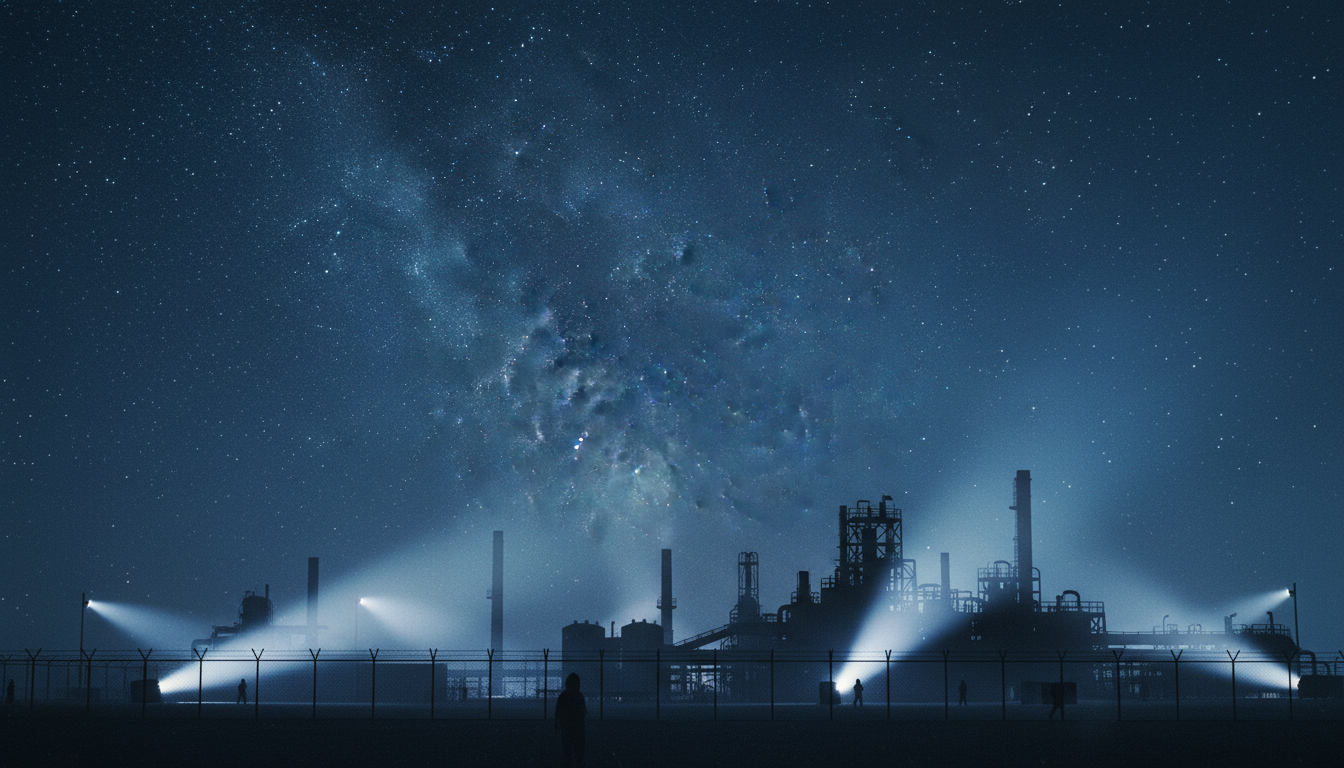
Rocky Flats: FBI Raid and Grand Jury Secrecy
In 1989 the FBI and EPA raided Rocky Flats, the nuclear-weapons plant outside Denver. Environmental crimes were not internet folklore. Special agents walked into a DOE contractor world that had treated prairie dirt like a disposal option.
Raid, Plea, and the Sealed Edge
Public accounts place agent Jon Lipsky among raid leads. Rockwell's contractor era and later plea negotiations produced a prosecution story many Coloradans found too soft. A special grand jury reportedly sought harder charges; sealing and missing-file fights then fed decades of distrust. AP reporting on vanished investigation materials keeps that transparency wound open: https://apnews.com/general-news-26ee74feb6f849a9ae4242348f8a9e03
Citizen and nuclear-watch essays track grand-jury document hunts—advocacy, labeled as such—but the underlying tension is real: verified raid versus incomplete public docket.
Refuge Conversion and Memory Politics
Later conversion of plant lands toward wildlife refuge use intensified arguments about what was cleaned, what was capped, and what the public was told. That is environmental politics with Geiger counters, not UFO retrieval cosplay.
Sealing as Permanent Fuel
Rocky Flats lore thrives where dockets stay dark. Even when pollution facts are solid, sealed grand-jury material becomes a perpetual motion machine for suspicion. Transparency fights are part of the documentary story.
Settled Raid Versus Sealed Lore
Settled: 1989 raid; pollution issues; contractor-era crimes in the enforcement narrative. Partly unverified due to sealing: every grand-jury lore detail. Flag the thin edges. Do not invent missing indictments.
Archival reading tip for this file: prioritize the dated primary URLs in sources[] and the named commissions, courts, or excavators above secondary retellings that flatten the story into a slogan.
Source Discipline for This Page
The strongest claims on Rocky Flats: FBI Raid and Grand Jury Secrecy are the ones tethered to dated primary URLs in the sources list—agency PDFs, court or committee releases, peer-reviewed surveys, or official histories. Secondary documentaries and magazine profiles can open the door; they should not outrun the paperwork. Where fringe readings appear in public culture, this page keeps them labeled and downstream of the documentary spine. Evidence bullets above are the checklist for a skeptical reader who already knows the headline.
Comparative Archive reading stays useful only when titles stay distinct: link neighbors for method, chronology, or institutional pattern, not because every scandal is secretly the same scandal. For Rocky Flats, the local facts still have to carry the page.